Robert Cohen/St Louis Post Dispatch/Polaris

The invisible U.S. fire problem

Place

United States

Focus

Research & Advocacy
Sponsor
National Fire Protection Association

Status

Ongoing

Outputs

Reports & Events

What it is

An initiative examining how human and shelter vulnerabilities intersect to shape fire risk in U.S. communities.

Overview

Across the United States, fire safety is often framed as a public-policy success. Yet behind the declining national fatality rates lies a hidden crisis that disproportionately harms people living in insecure, inadequate, and marginalized forms of housing. This multi-year effort, beginning with The Invisible US Fire Problem and expanded through cross-sector workshops that informed From Flames to Change, brings this crisis into sharper focus. These initiatives examine not only where fire risk concentrates, but why certain communities shoulder the greatest burden.

The convergence of a strained housing system, aging and under-maintained buildings, and growing informal sheltering arrangements exposes millions of people to heightened fire risk. These risks escalate further when compounded by economic precarity, limited housing choice, and systemic inequities that shape who lives in the most vulnerable dwellings, and who remains unseen by traditional fire safety systems. Together, the reports demonstrate how improving fire safety in U.S. cities requires a more connected, community-centered, and systems-oriented approach.

The Challenge

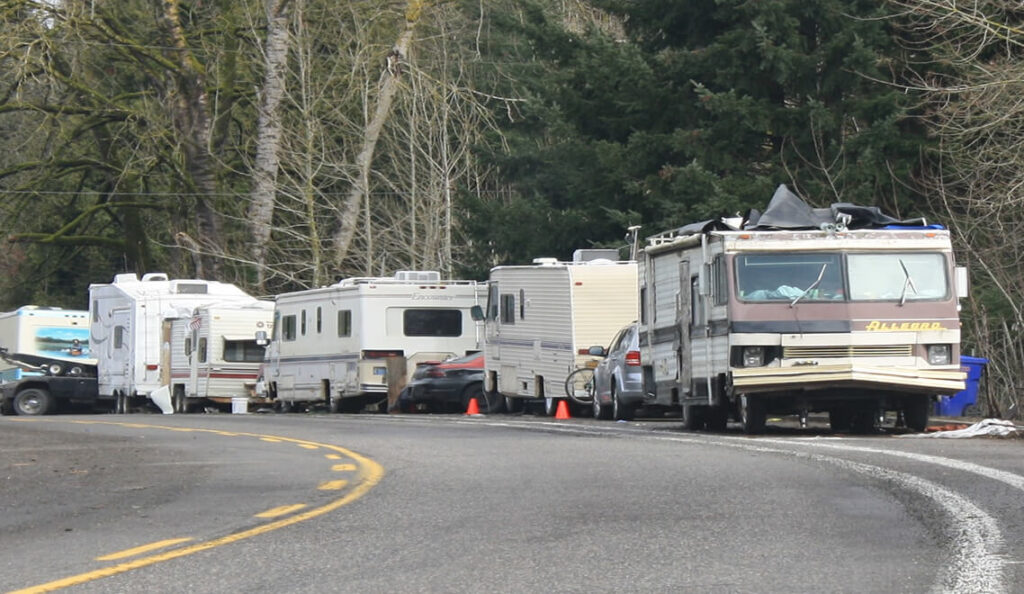
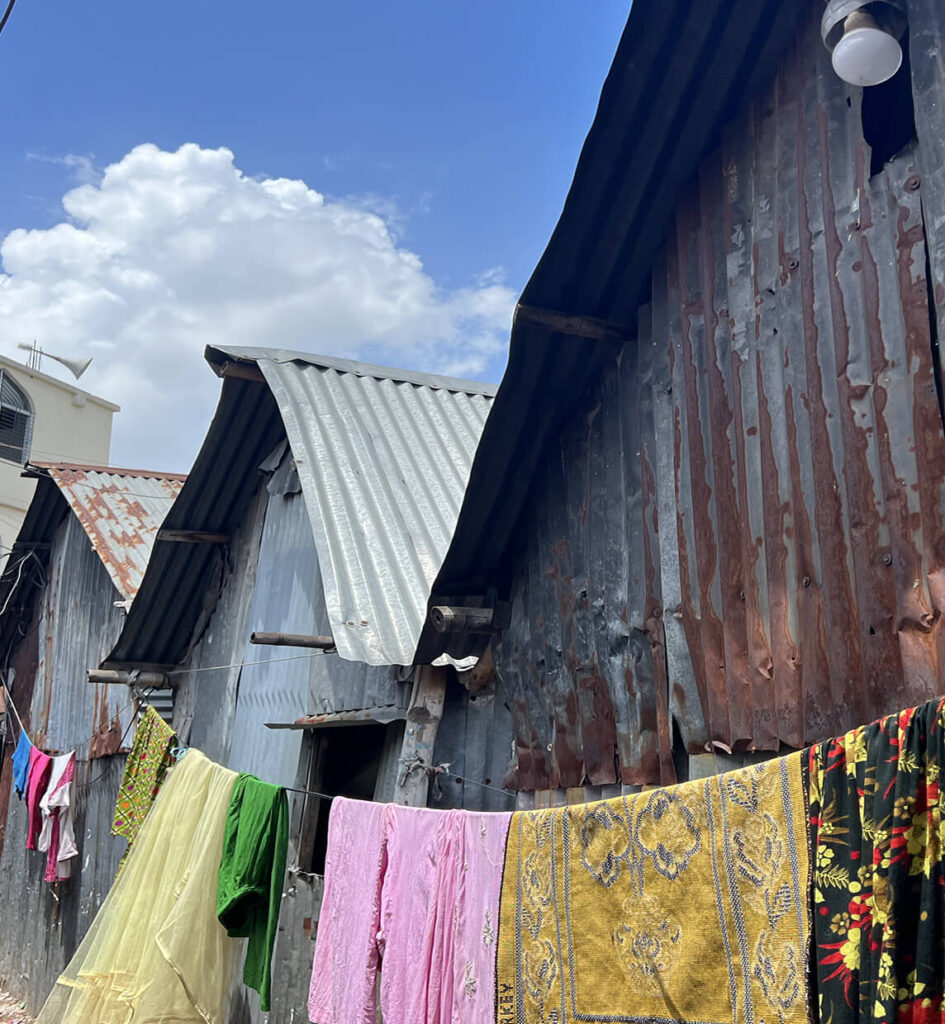
Fire inequity emerges where human vulnerability and shelter vulnerability converge. Households facing constrained choices—because of low income, disability, immigration status, health conditions, family structure, or limited social support—often occupy buildings or improvised shelters with degraded protections. These environments include older units lacking modern safeguards, illegally subdivided spaces, abandoned structures used out of necessity, tents and makeshift dwellings, and fully non-sheltered spaces.

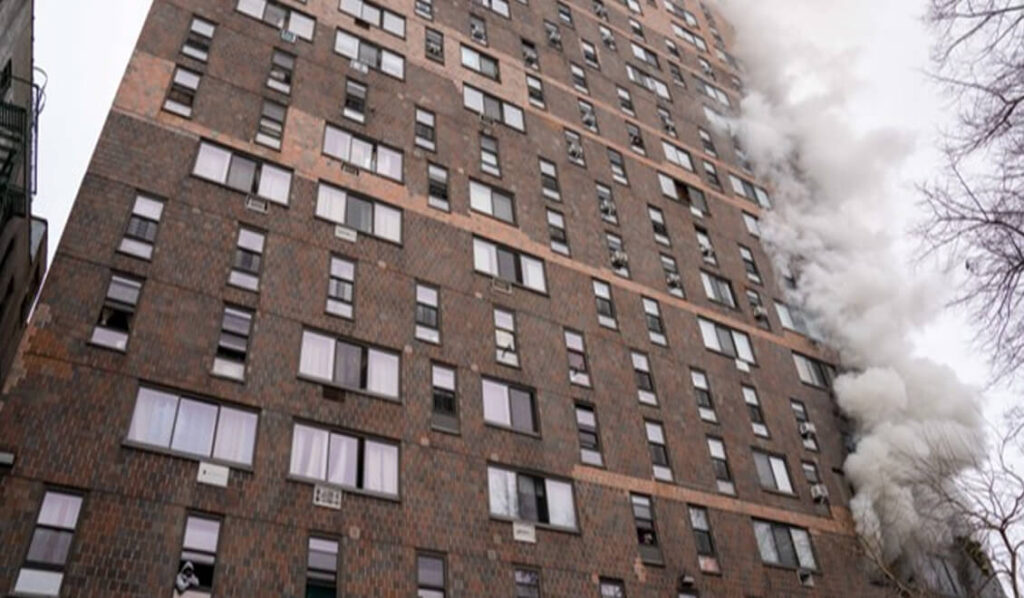
In these settings, the dynamics compound. A resident with limited mobility living on the 10th floor of an unsprinklered, poorly compartmented building faces a very different risk profile than the same person living in a single story house. Likewise, the most protective building systems matter little when residents cannot perceive alarms, open heavy doors, or navigate smoke-filled corridors. Fire risk becomes the product of both the building’s capacity to protect and the occupant’s capacity to respond, each shaped by broader social and economic systems.

These patterns are not random; they reflect decades of uneven investment, discriminatory housing policies, and regulatory blind spots that allow dangerous conditions to persist. They also mirror gaps in fire data systems, which rarely capture the lived realities of those in under-regulated, unregulated, or non-sheltered housing. As a result, the environments with the highest fire incidence remain least visible in national datasets and least prioritized in policy responses.

Theodore Parisienne/New York Daily News/Getty Images

Jay L. Clendenin / Los Angeles Times

Our Approach

The analytical foundation of this work is built on examining fire risk through two interconnected lenses: shelter vulnerability to fire and human vulnerability to fire. By breaking these components down, and exploring their intersections, our approach reveals how different vulnerabilities multiply rather than simply add.

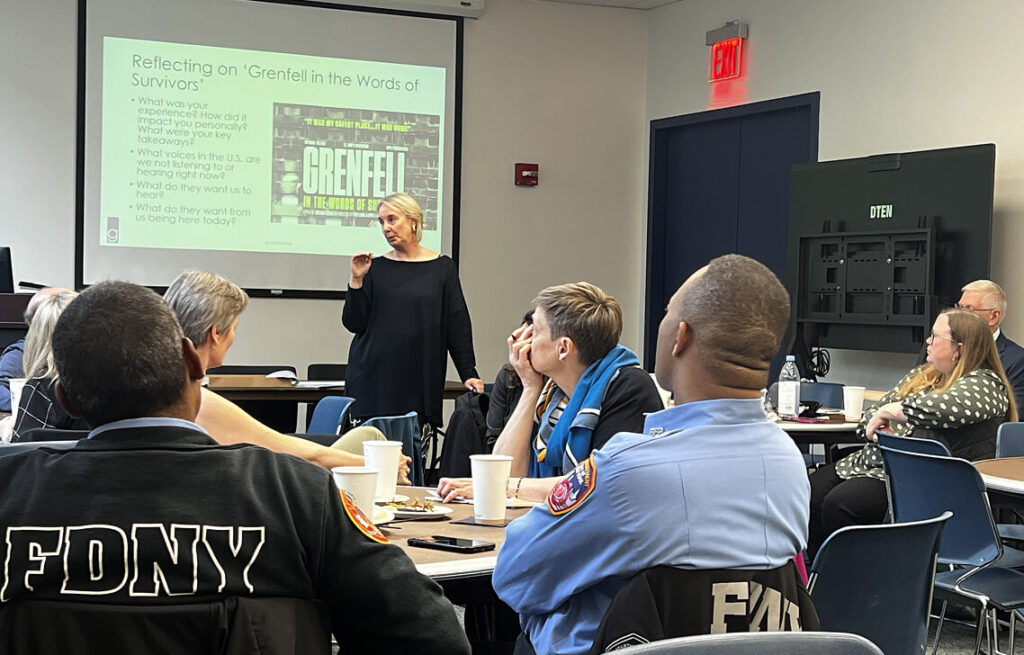
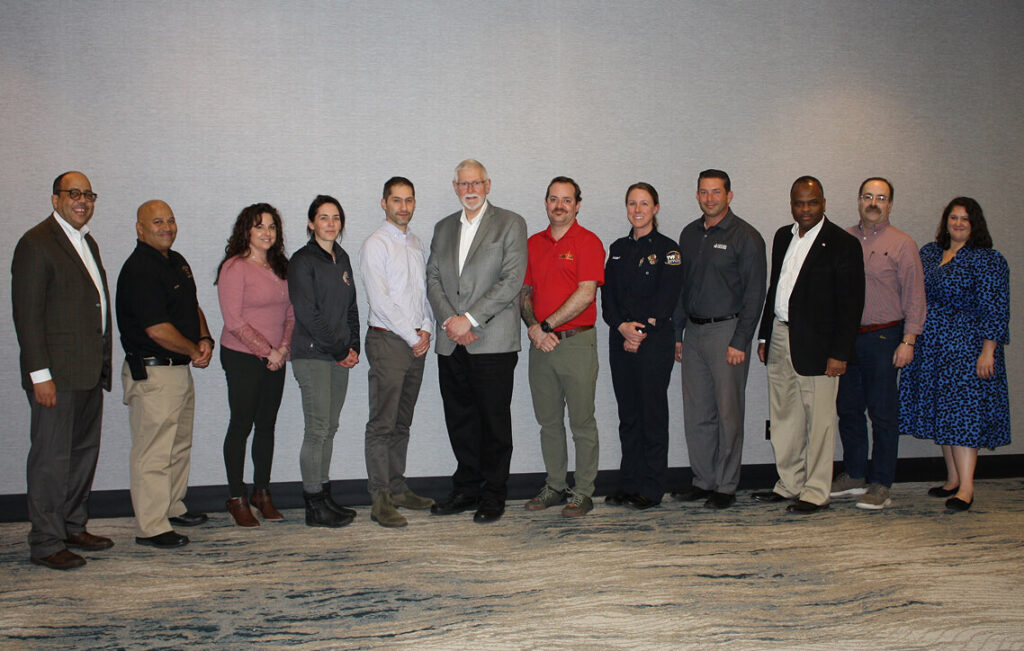
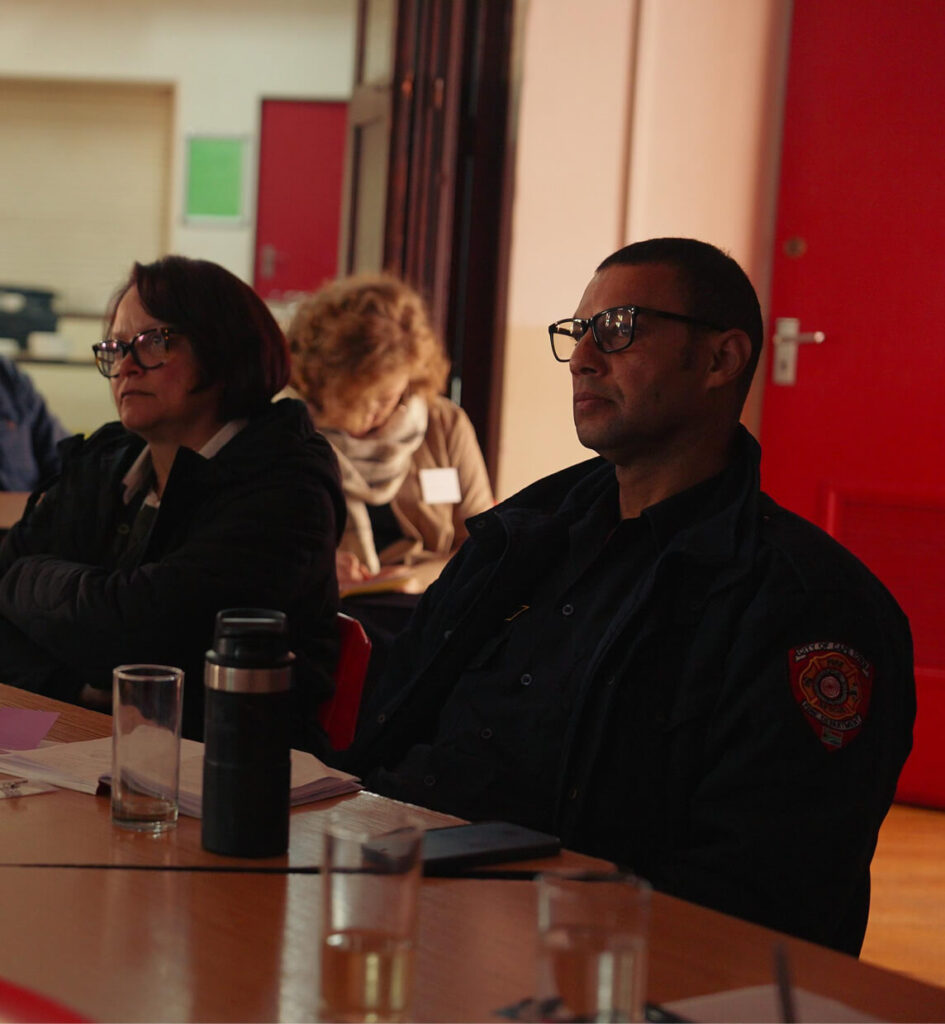
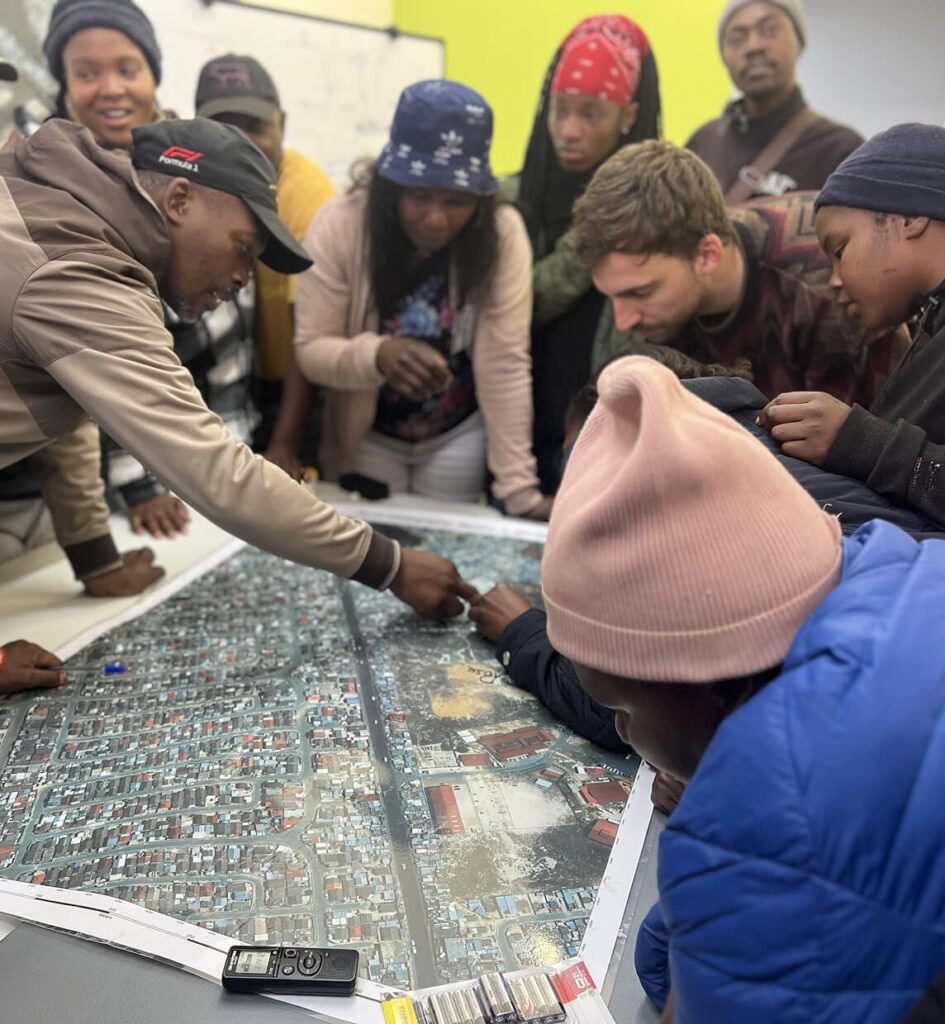
Workshops in Portland and New York City took this conceptual framework into practice, creating space for fire services, housing actors, engineers, and community advocates to explore how these vulnerabilities meet in real settings. Structured exercises challenged participants to “make the water visible” by naming the invisible assumptions, policy constraints, data limitations, and systemic biases that shape how different actors perceive residents and how decisions about risk are made. The inclusion of resident-centered stories, such as those conveyed through the play, Grenfell: In the Words of Survivors, underscored the importance of listening to people who live daily with fire risk.

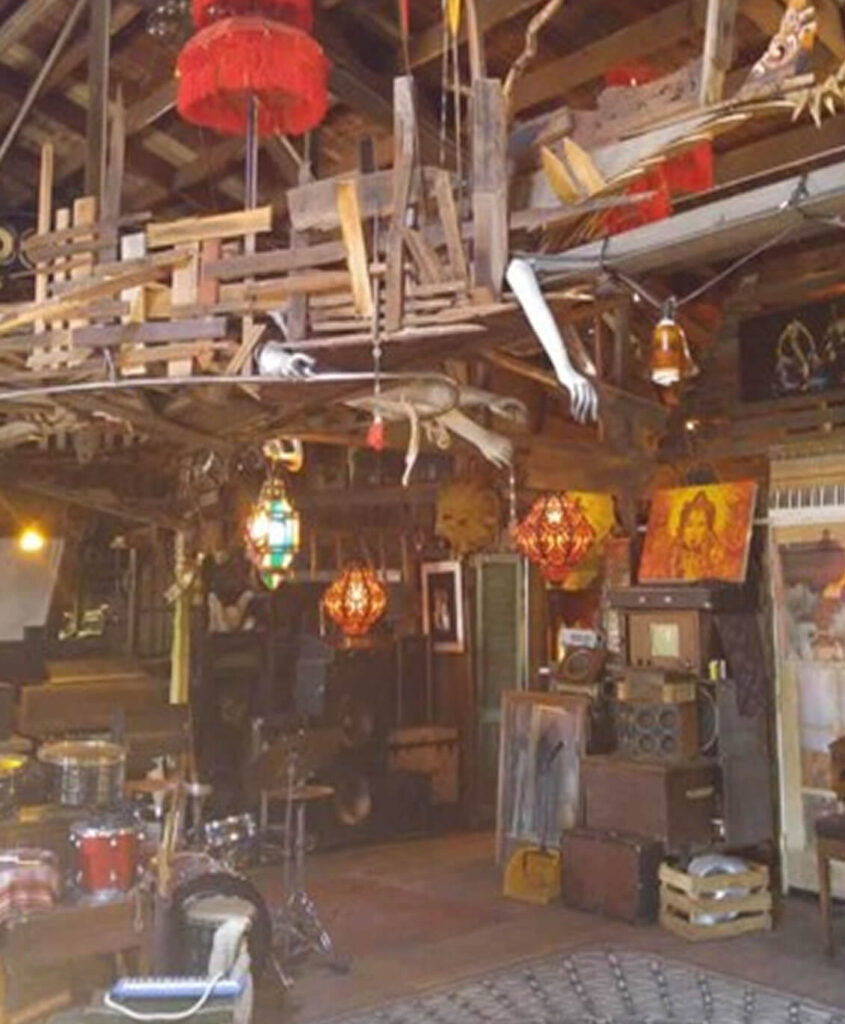
Oakland Ghostship

Key Insights

Vulnerability emerges at the intersection of human and shelter factors. People with limited housing choice—including those facing poverty, aging residents, people with disabilities, immigrant households, and unhoused individuals—often live in environments where fire protection is minimal or nonexistent. Their ability to detect, escape, or recover from a fire is shaped as much by these structural limitations as by individual circumstances.

Bias and power imbalances influence how fire safety decisions are made and whose concerns are taken seriously. When residents’ warnings go unheeded or their knowledge is undervalued, systemic blind spots deepen. These dynamics help explain why communities most affected by historical inequity often live in the most fire-vulnerable buildings, and why fire services, housing agencies, and social services struggle to align around shared safety outcomes.

Why It Matters

Fire inequity illustrates how deeply the resilience of a community is connected to the systems that govern housing, safety, and public investment. By revealing the structural drivers of fire risk, this two-part initiative strengthens Kindling’s broader mission to reframe fire safety as a humanitarian and development challenge rather than a narrowly technical one. The work demonstrates that improving fire outcomes requires strengthening regulatory systems, reducing housing precarity, and creating space for residents and practitioners to learn from one another.

These projects build critical foundations for future action: better data systems that capture fire incidents in informal and under-regulated settings; cross-sector partnerships that integrate fire safety into housing policy; and leadership practices that prioritize accountability, transparency, and community voices. In a moment when the nation faces growing housing instability and increasingly hazardous fire conditions, this integrated understanding is essential for creating cities where safety is shared and equitable.

Read the reports

The Invisible US Fire Problem

From Flames to Change: An exploration of housing, fire and inequity

Collaborators

This work was made possible through collaboration with the Christian Regenhard Center for Emergency Response Studies (John Jay College of Criminal Justice, CUNY) and the Western Fire Chiefs Association.

Sponsor

We are grateful for sponsorship from the National Fire Protection Association (NFPA) for our research on The Invisible U.S. Fire Problem.

Newsletter sign up

Get the latest updates via email