Global Community of Practice

Place

Global

Focus

Learning & Advocacy
Sponsor
Global Shelter Cluster

Status

Ongoing

Outputs

Regular meetings

What it is

A global learning community advancing fire safety in humanitarian settings.

Overview

The Global Fire Safety Community of Practice (CoP) for the humanitarian sector is a growing, cross-disciplinary space dedicated to making fire safety a normal, embedded part of humanitarian action rather than an afterthought. Born out of a global education advisory panel launched in 2022, the CoP itself was launched in 2024. It brings together practitioners from shelter, CCCM, WASH, health, safety and security, construction standards, fire science, fire engineering, and operational firefighting to focus specifically on fire risk in humanitarian settings worldwide.

The CoP responds to the reality that fires in humanitarian settlements are not isolated “accidents” but symptoms of deeper structural issues: precarious tenure, improvised energy systems, under-resourced services, fragmented mandates, and the assumption that “temporary” sites do not need long-term safeguards. By creating a dedicated space to share learning, challenge assumptions, and build practical solutions, the CoP aims to inform, shape, and support a much stronger presence of fire safety across the humanitarian system.

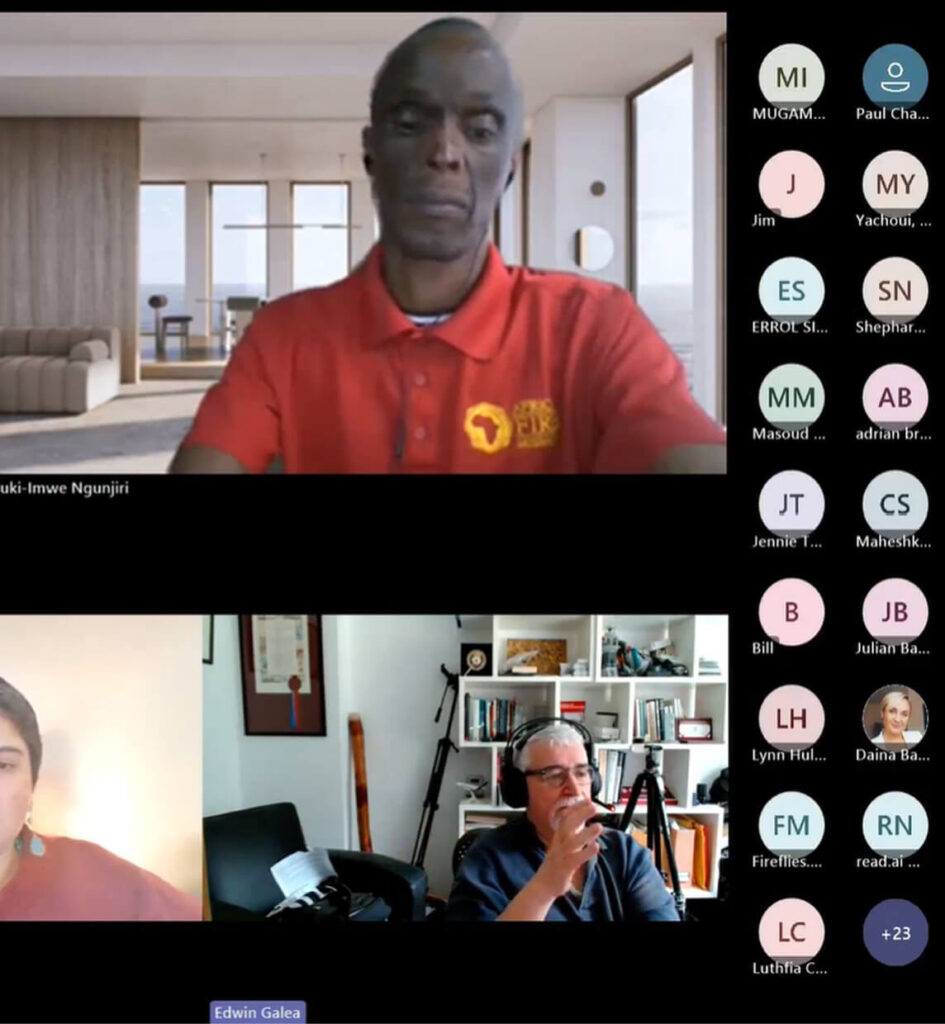
At its heart, the CoP is both a learning community and an emerging advocacy platform. Through regular online sessions, case studies, and collaborative discussions, members explore how fire risk actually emerges, what reduces it in practice, and how fire safety can be institutionalised.

The Challenge

The CoP was created to address a systemic gap inside the humanitarian architecture: fire safety sits everywhere and nowhere at once. Responsibilities are dispersed across clusters, mandates are unclear, and no shared home exists for coordination, accountability or learning. As a result, fire safety surfaces only after major incidents, treated as a narrow technical fix rather than an integrated practice that requires ongoing attention, institutional ownership and cross-sector collaboration.

Knowledge is also unevenly distributed. Fire scientists, fire engineers and operational firefighters often hold deep technical expertise but limited connection to the lived realities, constraints and decision-making environments of humanitarian operations. At the same time, humanitarian practitioners carry rich contextual knowledge but have little access to practical fire safety tools, standards or evidence. Without a space that brings these perspectives together, interventions remain fragmented, reactive and difficult to scale.

When fire is addressed, it is frequently through isolated guidelines or one-off trainings rather than a sustained process of learning, reflection and system-building. The absence of common frameworks, shared language, and routine dialogue means emerging practices are hard to compare, successes go unnoticed, and agencies struggle to advocate for fire safety within planning, funding and policy arenas.

The CoP os a stable, interdisciplinary space where technical and contextual knowledge are brought into conversation, where governance questions can be explored without institutional defensiveness, and where fire safety can gradually move from the margins of humanitarian action toward a more coherent and accountable system of practice.

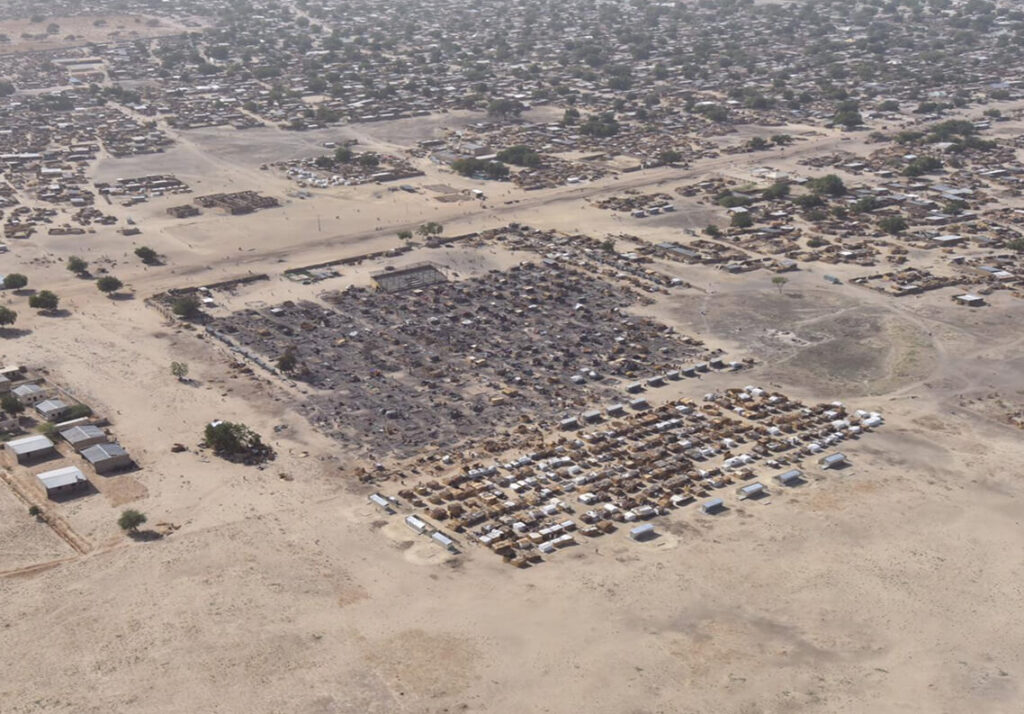
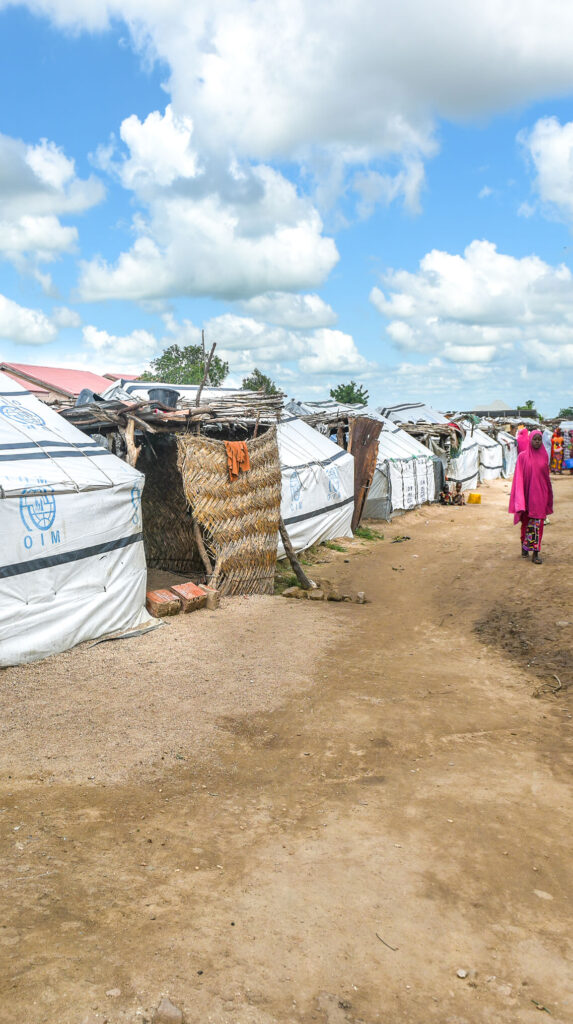
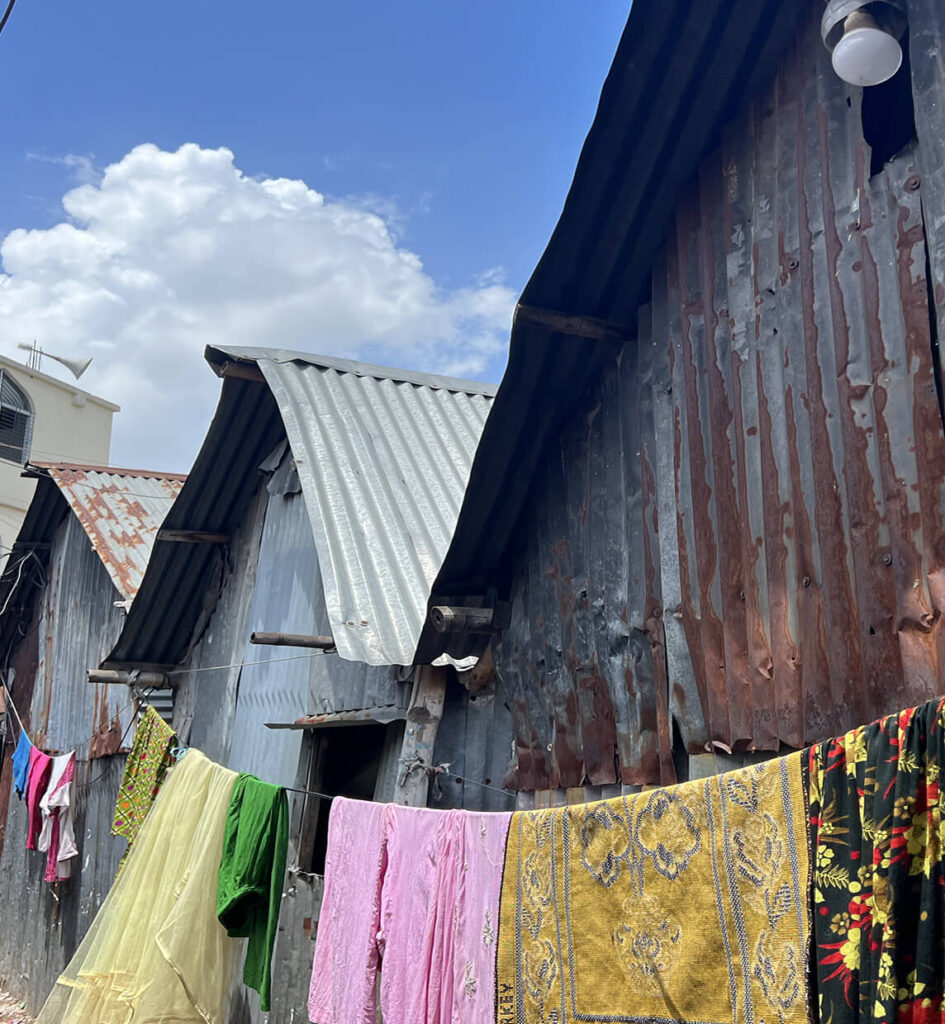
© News Outlet Bekaa Lebanon
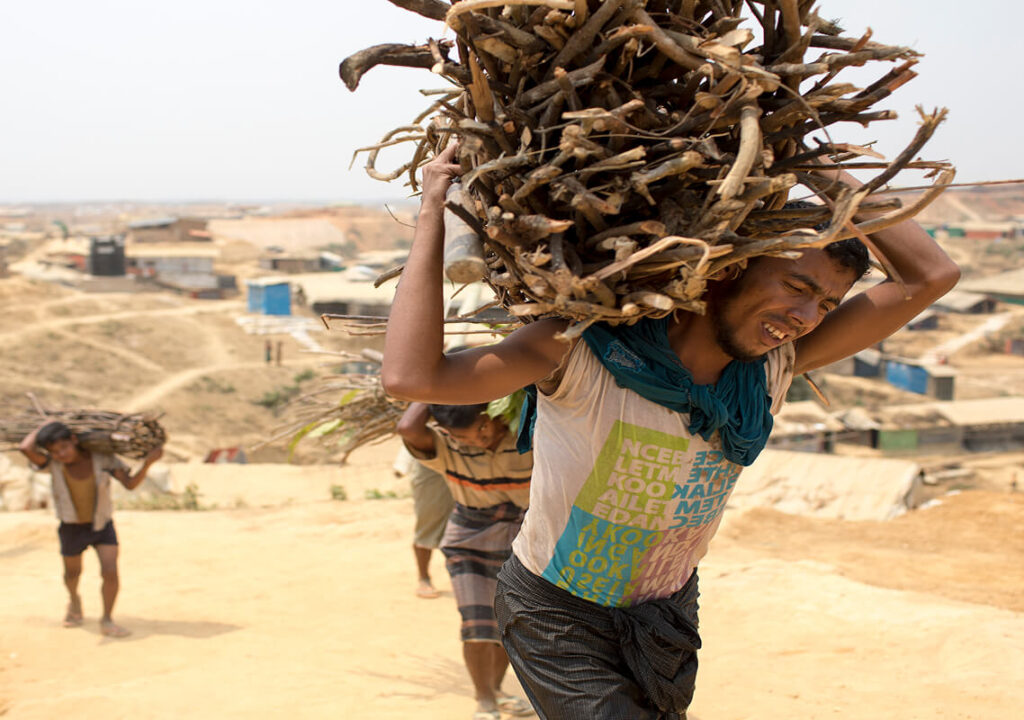
© European Union 2018

Our Approach

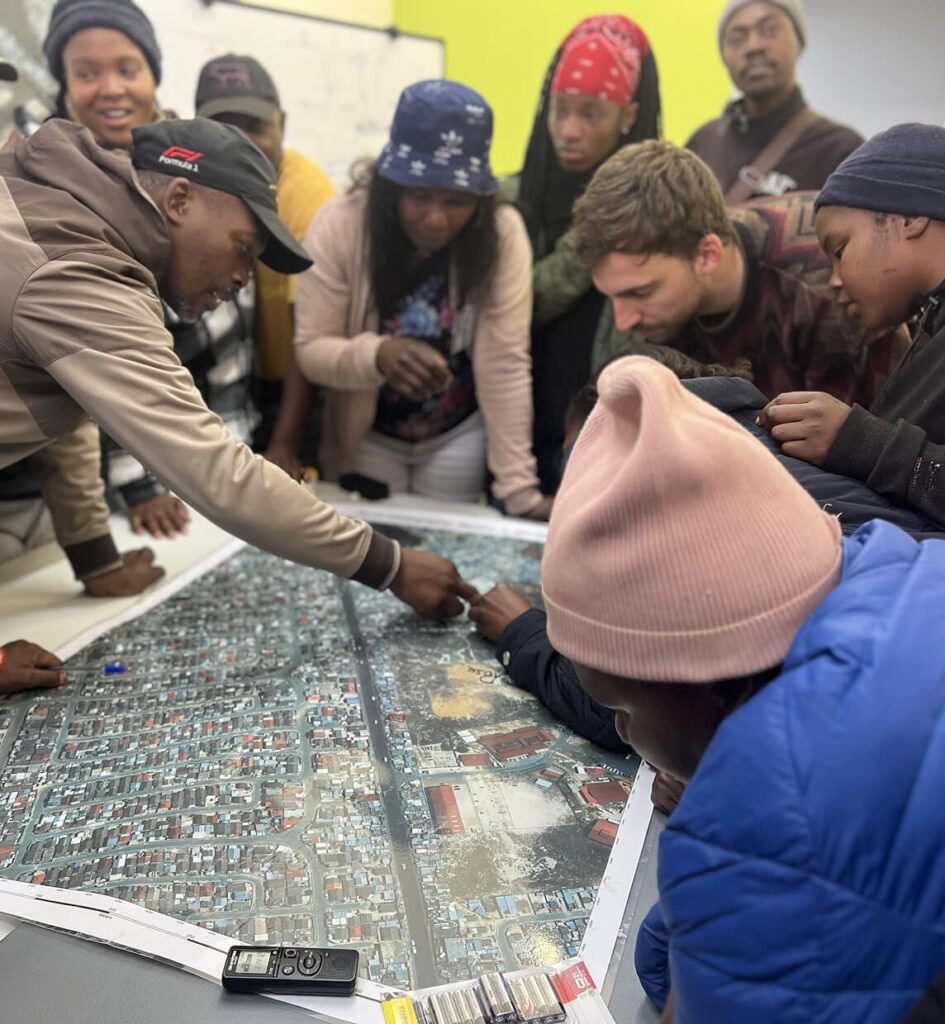
The CoP creates a space for people working across diverse disciplines and sectors to learn from one another. Instead of treating fire safety as a niche technical topic, it brings practitioners together around real situations, everyday constraints, and the kinds of decisions that shape risk on the ground. Sessions build shared understanding through open discussion, comparison of experiences, and collective problem-solving.

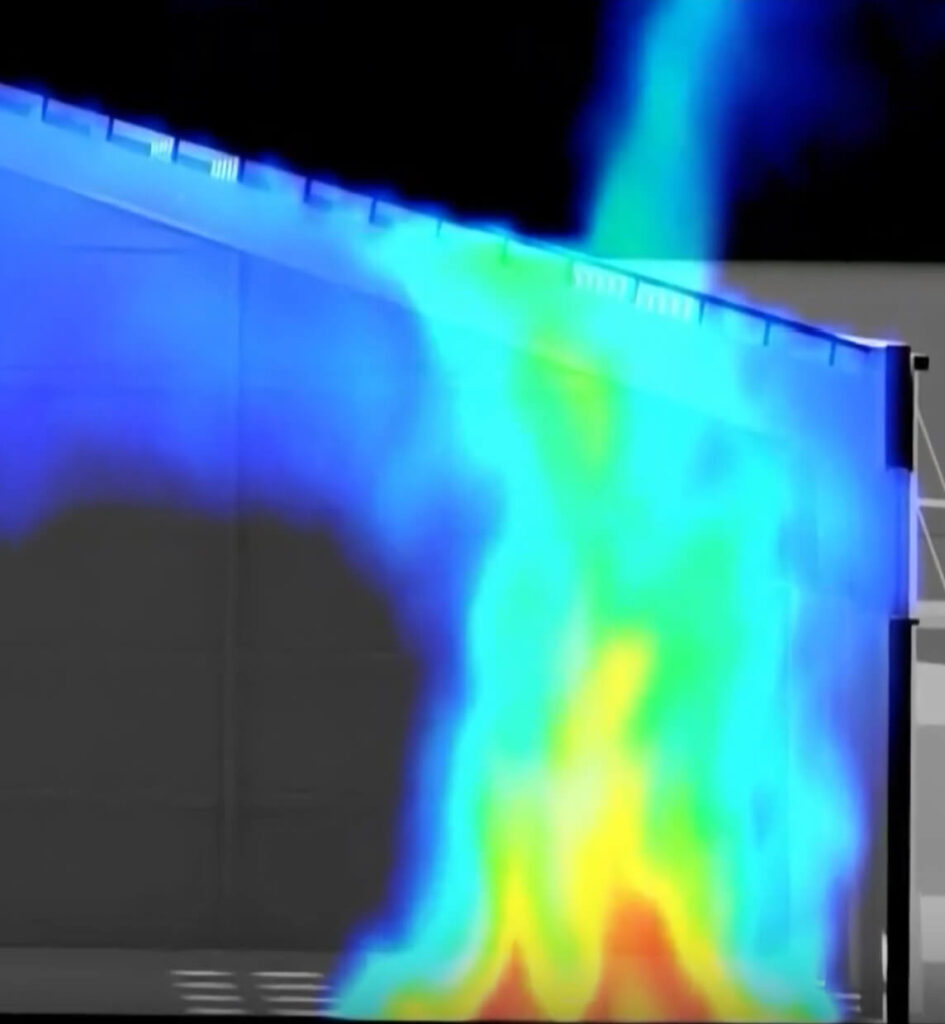
A key part of the approach is bridging gaps between different forms of expertise. The CoP invites non-traditional actors (e.g., fire scientists, fire engineers, firefighters) into the humanitarian sector. By combining technical evidence with operational insights, the CoP shows contextually appropriate fire safety is possible.

As the community grows, members are increasingly contributing examples, raising challenges, and shaping the themes that matter most to their work. The CoP provides the structure and continuity needed for this collaboration to build over time, strengthening shared capacity and helping fire safety become more integrated across the humanitarian system.

Key Insights

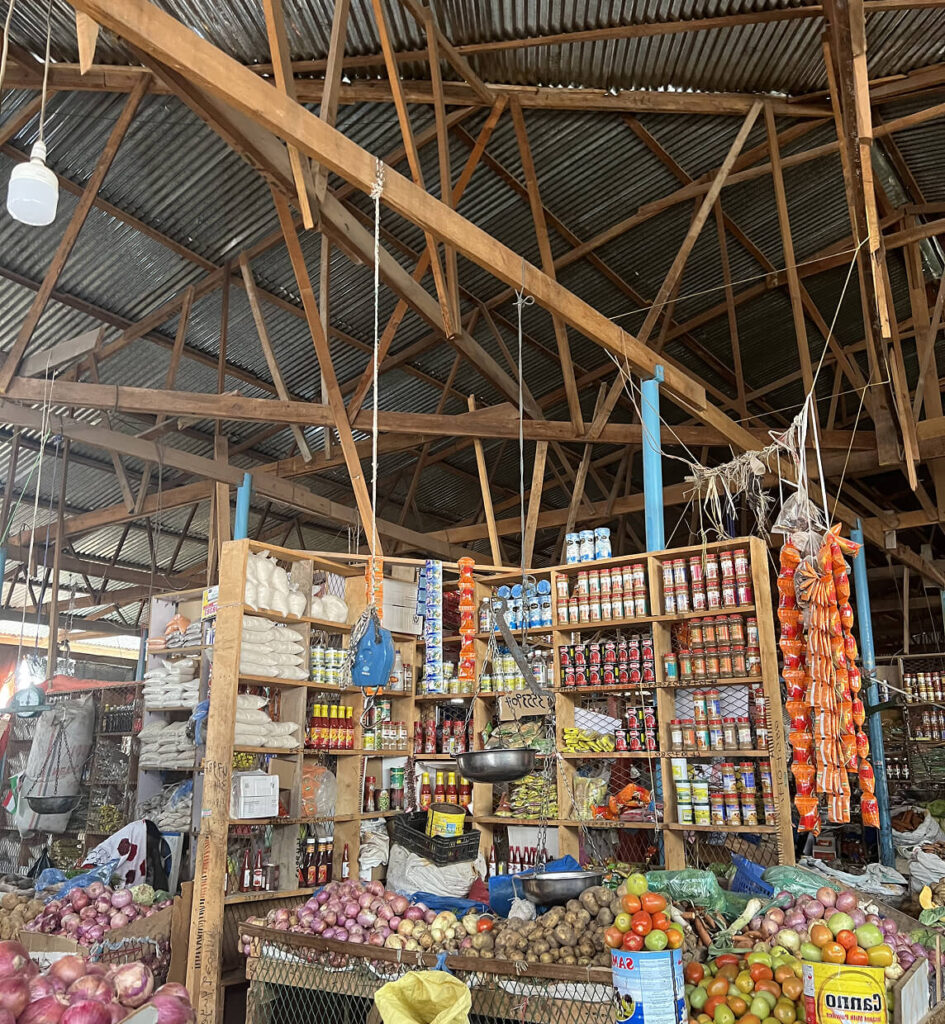
The CoP has brought together perspectives that rarely meet in discussions on humanitarian fire safety. Conversations have explored how daily living conditions—crowded shelters, improvised energy sources, informal markets, and limited resources—shape both the likelihood of a fire and people’s ability to act when one occurs. Sessions on human-centred fire safety and burn prevention highlighted the importance of understanding how people cook, heat, store fuel, move through their homes, and navigate constraints, and how small, practical adjustments can meaningfully reduce risk. Discussions on burn care reinforced the long-term impacts of fire incidents and the need for closer links between prevention efforts, first response, and accessible health services.

The CoP has also surfaced wider systemic issues that influence what is possible in practice. Members reflected on how shrinking funding shifts more responsibility onto residents, how inconsistent or incomplete reporting leaves many incidents invisible, and how changing energy practices are introducing challenges that organisations are still learning to manage. Participants questioned long-standing assumptions about site layouts, coordination structures, and the roles different actors play, noting where these fall out of step with the realities of daily life in settlements. Taken together, these insights point to a shared understanding: reducing fire risk requires attention to the social, spatial, and institutional conditions that shape how people live, not just the hazards themselves.

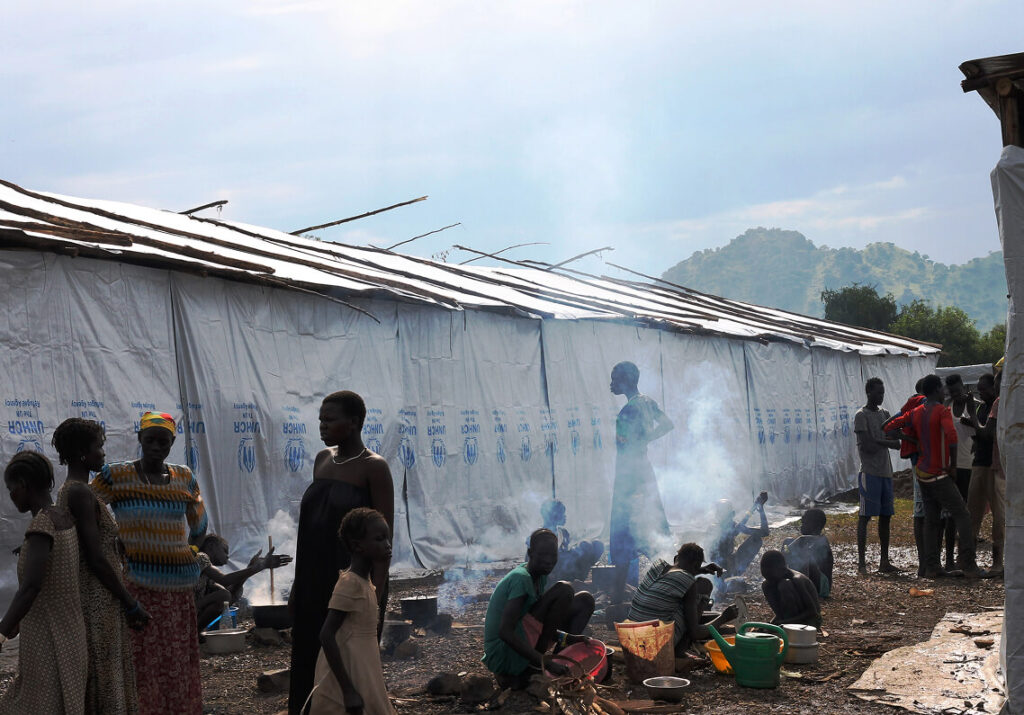
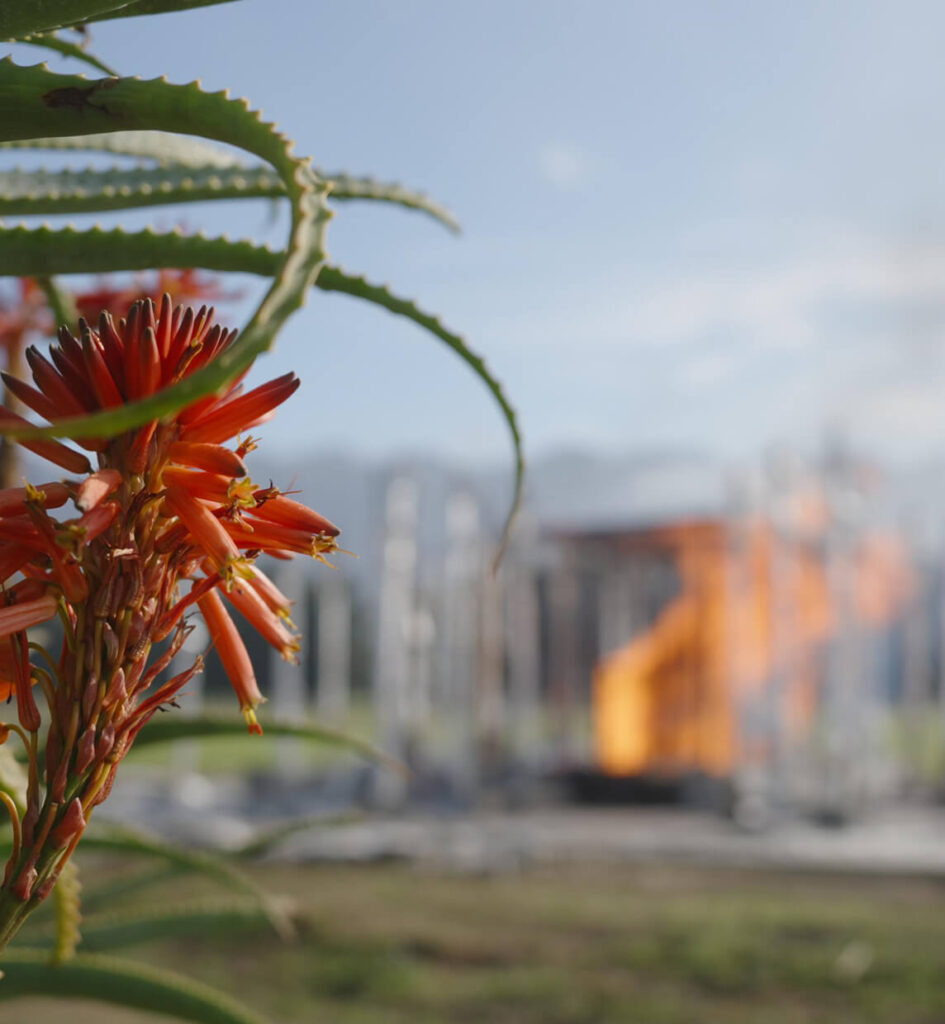
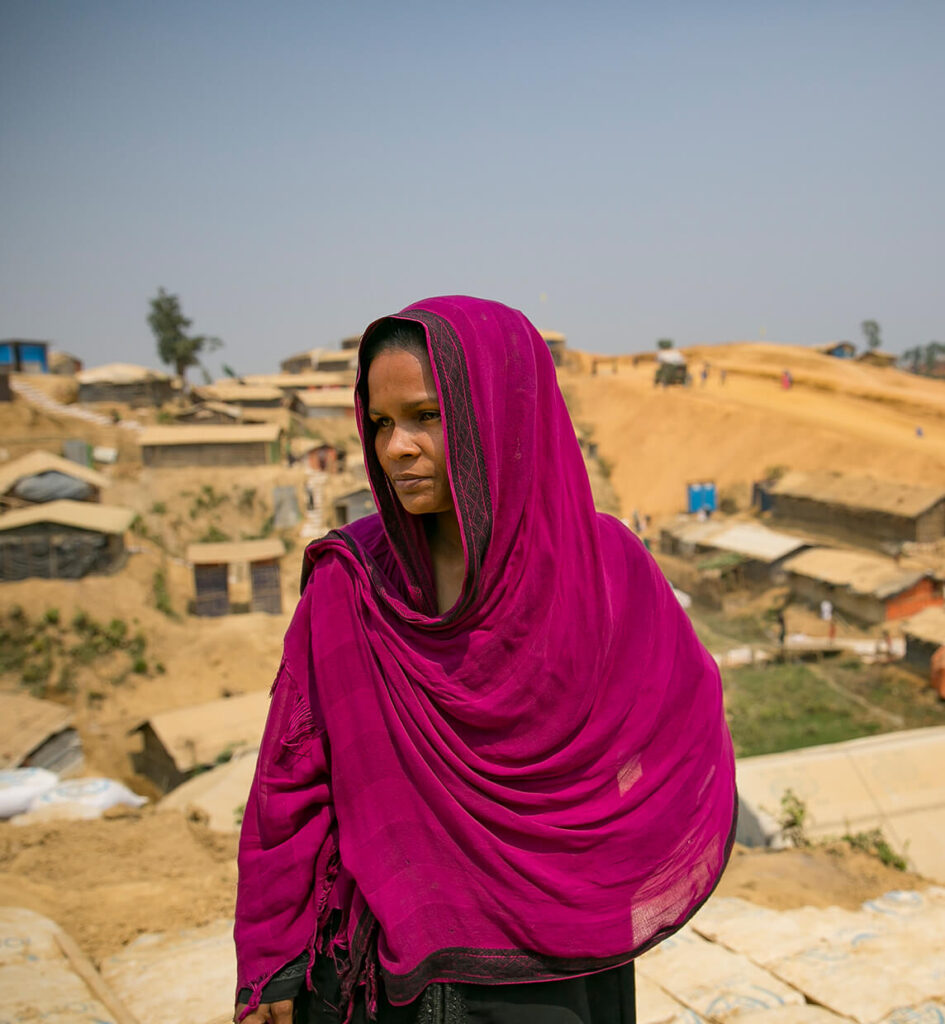
© 2018 European Union (photo by Samuel Ochai)

Why It Matters

The Global Fire Safety CoP is one of the few spaces where humanitarian practitioners, fire engineers, local fire services, researchers and policy actors can work together on fire as a cross-cutting urban and humanitarian risk. By framing fire safety as integral to dignity, protection and the right to adequate shelter—not as a marginal technical specialism—it helps re-position fire within wider debates on justice, resilience and the humanitarian–development nexus.

For cities hosting displaced populations, for agencies running camps and informal sites, and for local responders facing repeated fires with limited means, the CoP offers a way to connect individual experiences to system-wide change. It translates strategic recommendations on institutional foundations, collaboration, data and standards into ongoing dialogue and practical experimentation, building a shared repertoire of approaches that can be adapted across contexts.

Within Kindling’s broader portfolio, the CoP acts as a living laboratory for socio-technical fire risk work. It extends insights from global research on the state of fire safety into an active, multi-year process of collective learning, helping to refine tools, guidance and methodologies while building the alliances needed to use them. As the CoP grows, it strengthens a global constituency that sees fire safety not as optional, but as foundational to safe, just and sustainable humanitarian settlements

Sponsor

The Global Fire Safety Community of Practice is a Sub-Community of the Global Shelter Cluster Technical CoP, founded and hosted by Kindling.

Watch recordings of past meetings

A conversation about institutionalising fire safety in humanitarian settings in our challenging and rapidly changing global context

Burn Prevention, Acute Care and Rehabilitation: Learning across Contexts​

Newsletter sign up

Get the latest updates via email