CC BY-NC-ND 2.0 UN Women/Allison Joyce

Fire safety in humanitarian settings

Place

Global

Focus

Research & Practice
Sponsor
Global Shelter Cluster

Status

Completed

Outputs

Report & Guidance

What it is

A sector-wide diagnostic uncovering systemic conditions that create fire risk and pathways to lasting change

Overview

Fire has become a silent, normalized threat across humanitarian settings — not because it is unavoidable, but because the system is not structured to prevent it. This multi-year initiative set out to diagnose how fire risk becomes embedded in the processes through which humanitarian shelter and settlement assistance is delivered. The goal was not simply to catalogue incidents, but to understand why a long-recognised, preventable hazard continues to cause repeated loss of life, displacement, and destruction of livelihoods.

The analysis revealed that fire risk is shaped as much by institutional decisions as by physical conditions. From planning constraints to funding cycles to organisational mandates, the humanitarian ecosystem inadvertently creates pathways through which risk accumulates. The sector does not intend to create unsafe environments, yet its structures, incentives, and common practices routinely allow fire risk to emerge unchecked. This project documents that pattern — a story of unintended consequences.

One of the clearest gaps identified was the absence of accessible, technically grounded guidance to support fire-informed decision-making. The Fire Risk Reduction Guidance was therefore developed as an essential secondary output: a step toward addressing a system that has not historically required or resourced fire safety.

The Challenge

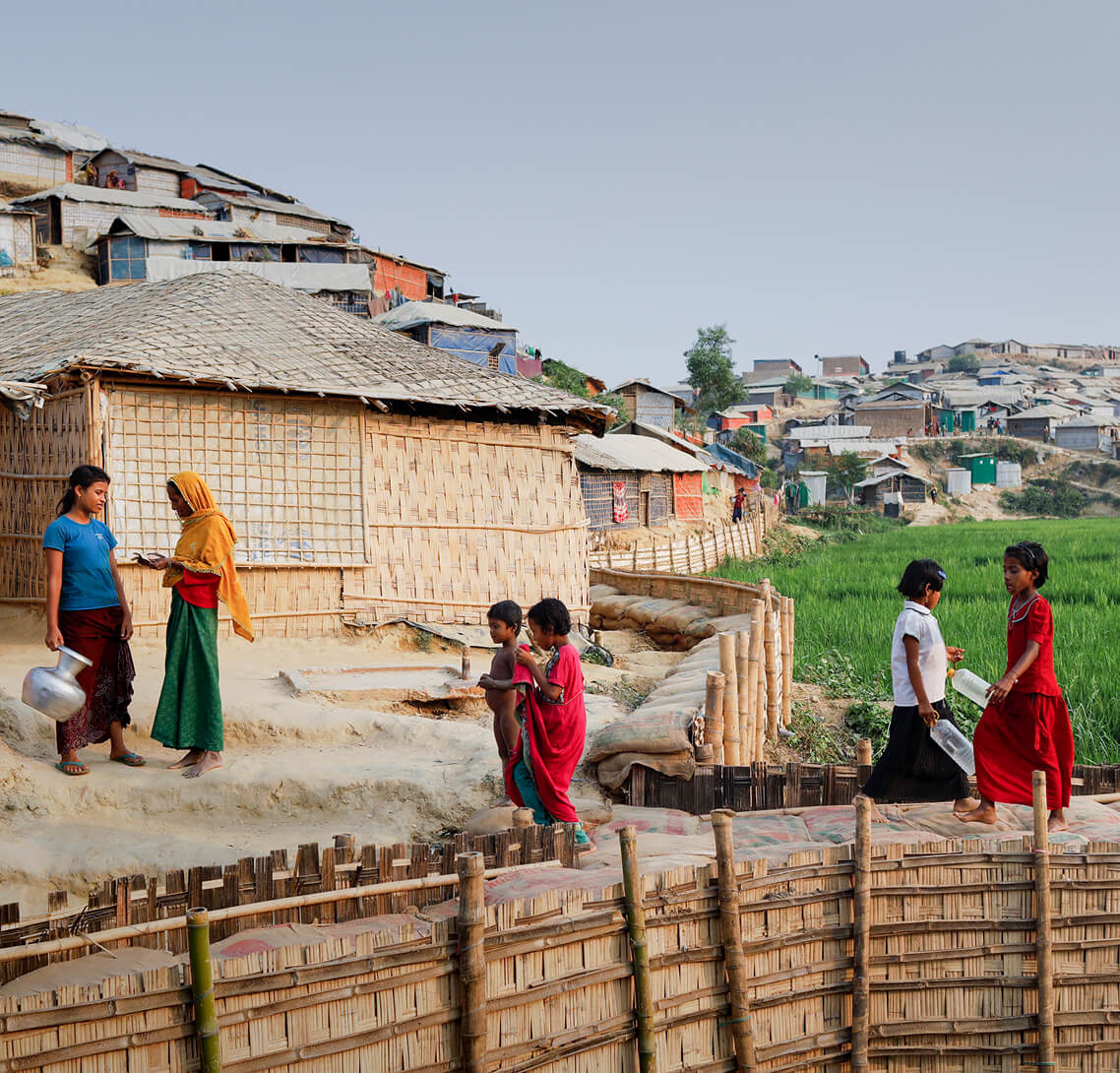
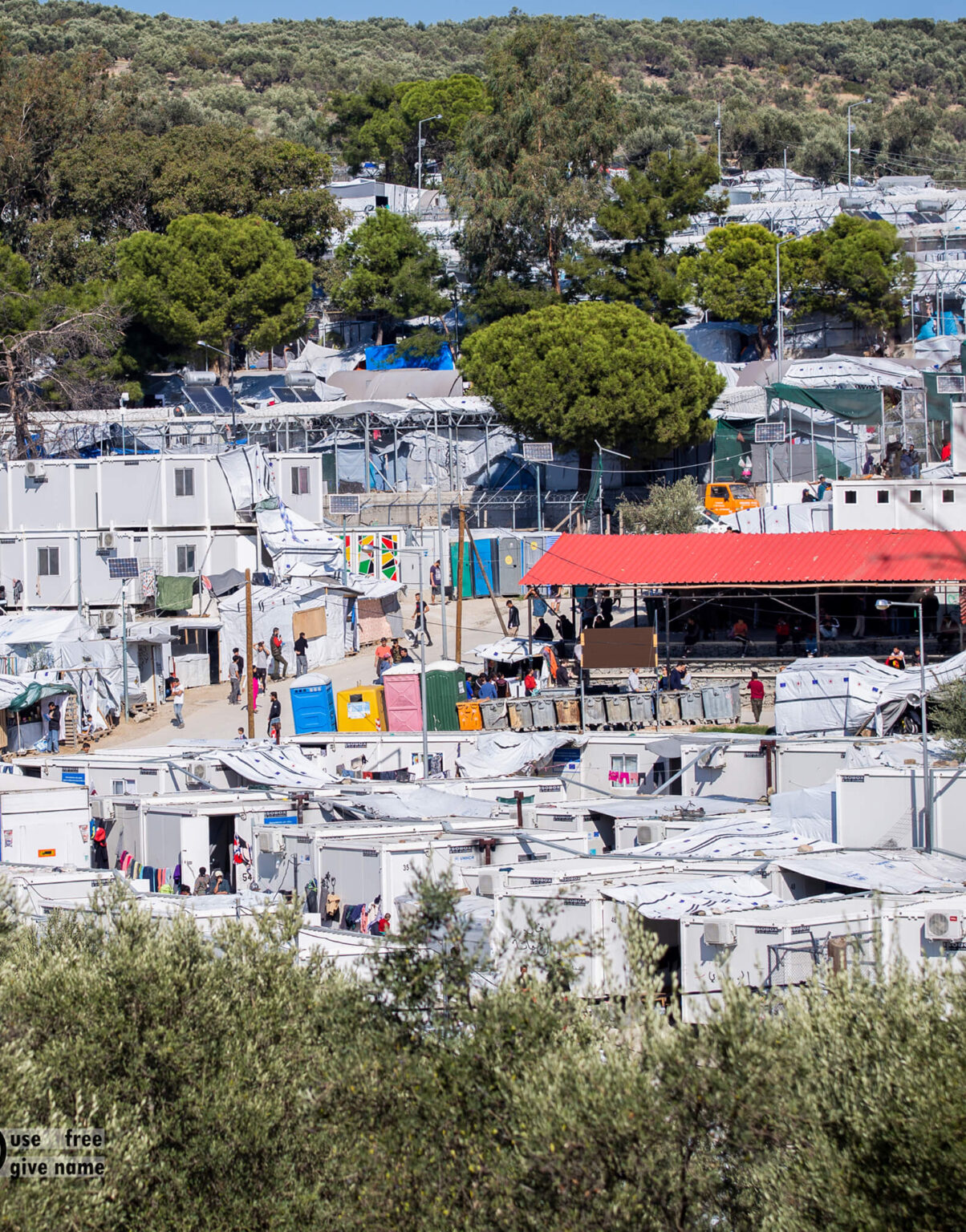
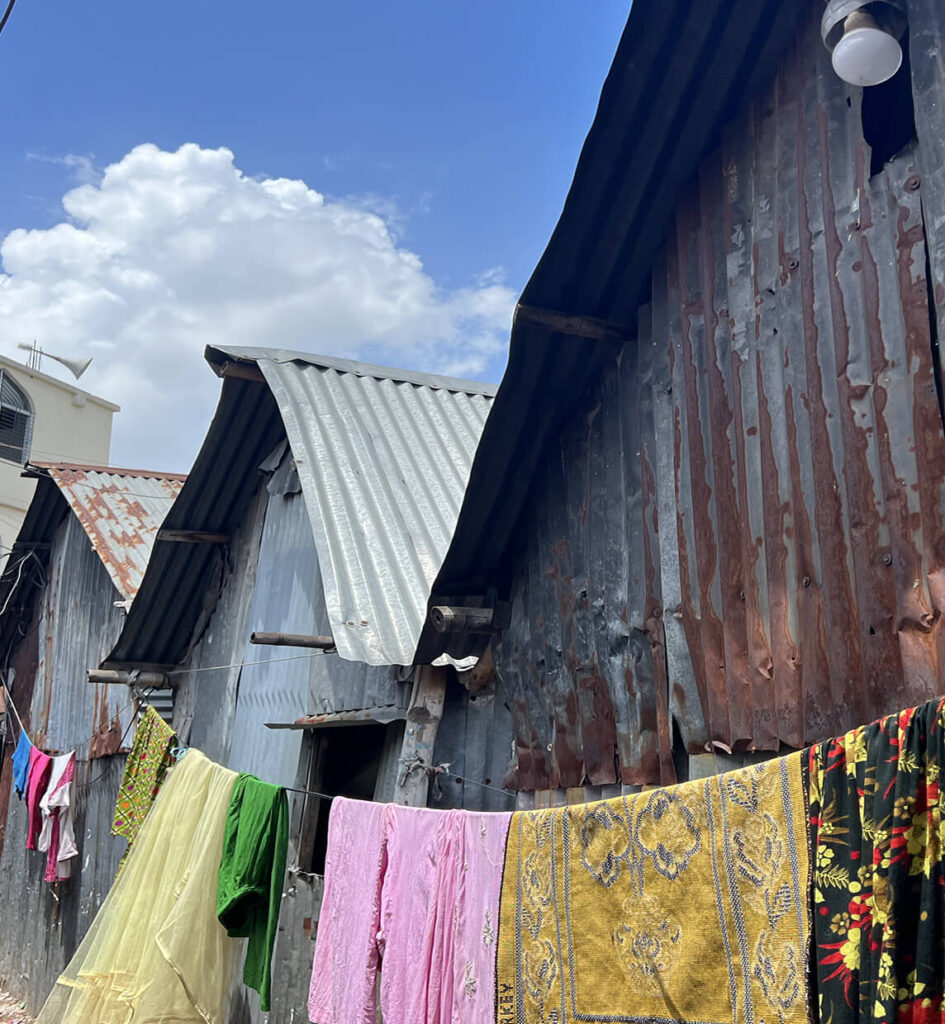
Fire risk in humanitarian settings is rarely the result of a single failure. It emerges from a chain of decisions shaped by land scarcity, political constraints, procurement pressures, and the urgency of response. Camps and informal settlements are often established quickly on marginal land, using combustible materials and layouts that leave little room for firebreaks. These characteristics are well known, yet rarely addressed because competing operational demands take precedence.

At the structural level, there is no consistent expectation from donors, agencies, or governments that humanitarian shelter and settlement programming must safeguard against fire. This absence of requirements has created a form of systemic complacency. When no one is explicitly accountable for fire safety, fire risk becomes everyone’s concern and no one’s responsibility. Yet the reality is that many fire safety measures are not costly or complex; they simply require integration into planning, design, and management from the outset.

Operational constraints are real: short funding cycles, rapid deployments, shifting populations, and political limitations. But acknowledging these constraints must not absolve the system of responsibility. The cumulative effect of overlooking fire risk is predictable harm. Until fire safety is recognised as a core element of protection rather than an optional technical add-on, the sector will continue to embed risk into places meant to offer safety and dignity.

© European Union 2018
EU Civil Protection and Humanitarian Aid, CC BY-SA 3.0

Our Approach

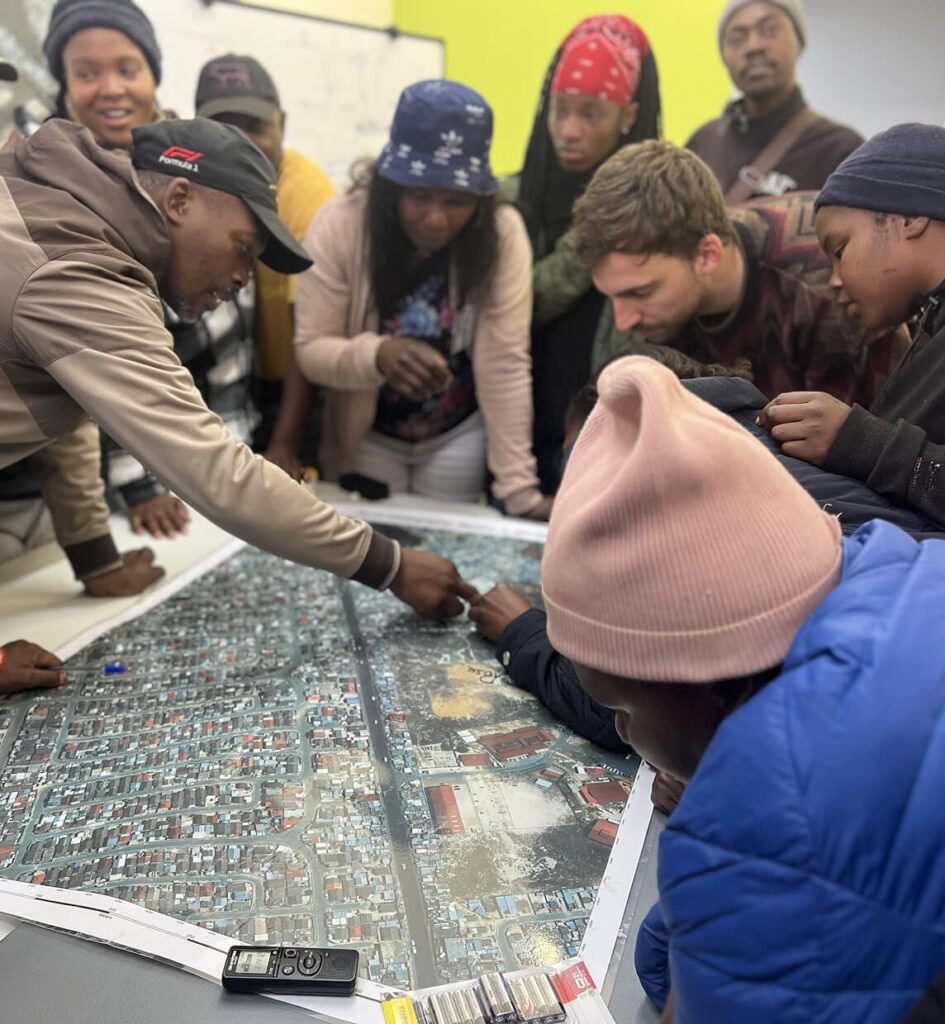
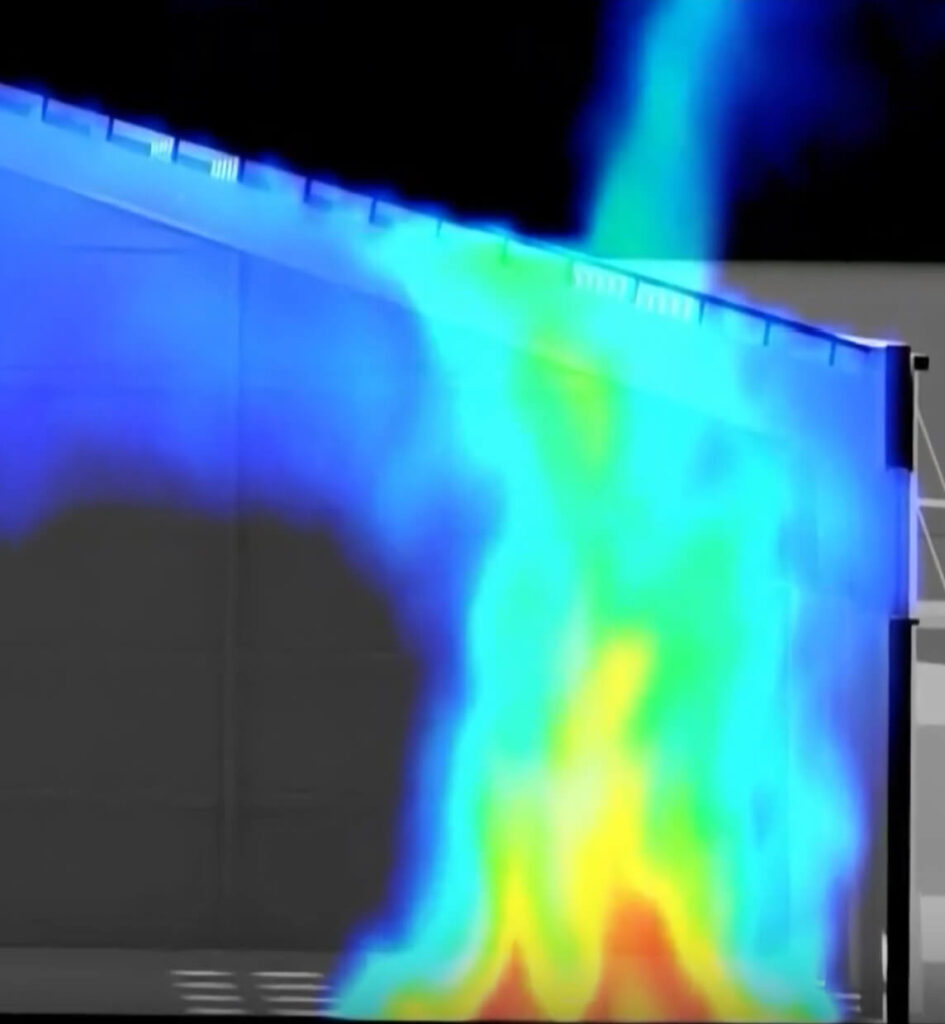
The project was designed to build a comprehensive, system-wide understanding of fire risk in humanitarian settings. Its overarching goal was to diagnose how and why fire risk emerges across different settlement types, and to identify the structural, operational, and technical factors that shape the sector’s ability to manage it. To do this, we combined technical fire engineering analysis with a global qualitative research effort, enabling us to map where opportunities for fire risk reduction are created, taken, or missed throughout the lifecycle of a humanitarian response. The development of the Fire Risk Reduction Guidance followed from this goal: a practical tool intended to support the application of the project’s insights.

European Commission DG ECHO via Flickr (CC BY-SA)

Key Insights

Fire safety is rarely embedded in needs assessments, site planning, procurement, design, and camp management, allowing fire risk to accumulate. This reflects the sector’s prioritisation patterns, where visible outputs and rapid delivery overshadow less visible forms of safeguarding. The result is well-intentioned humanitarian aid creating harm.

Fire is often a visible protection failure. People with disabilities, older adults, women managing households, and residents of smaller or more isolated settlements face disproportionately higher risks. Social identity and inclusion gaps shape who receives information, who can act on it, and who remains at risk.

Treating fire as a marginal technical issue perpetuates inequity and undermines dignity. Fragmented mandates and unclear responsibilities make fire safety no one’s explicit role. Meaningful fire risk reduction programming is rarely pursued because it is perceived as beyond the scope of any one particular actor. Funding structures incentivise distribution of items without evaluating their contribution to fire risk. These dynamics reveal that the sector’s challenge core challenge is a lack of accountability, incentives and structures that prioritise fire risk reduction.

Symbolbild Tim Lüddemann; flickr.com; CC BY-NC-SA 2.0

Why It Matters

We reframe fire safety as a core humanitarian responsibility. By revealing how fire risk accumulates through routine processes, we challenge the sector to move beyond reactive, incident-driven interventions and toward proactive, integrated safeguarding. Our findings demonstrate that meaningful fire risk reduction does not depend on high-cost technologies; it requires planning, coordination, and a shift in expectations about what minimum safety should entail.

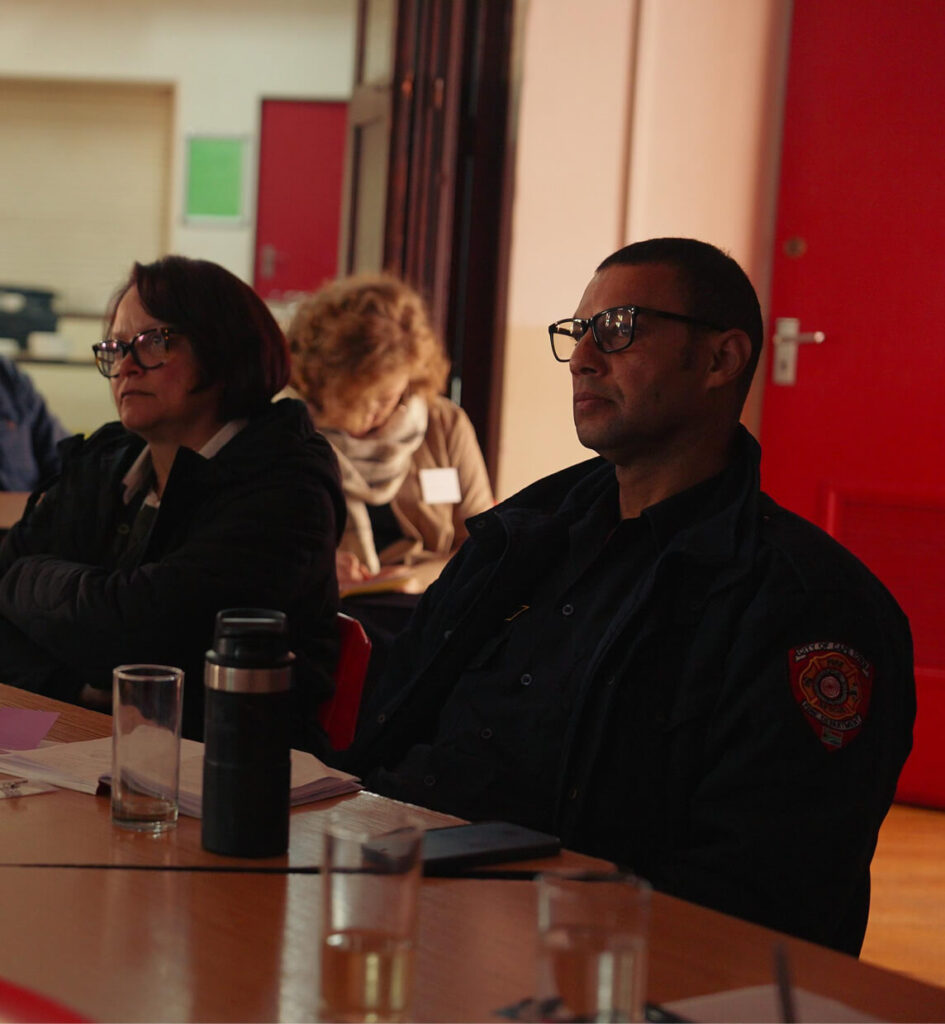
Embedding fire safety into humanitarian practice is both achievable and necessary. Standardised fire risk assessments, improved collaboration with local fire services, strengthened governance arrangements, and integration of fire considerations into site planning and shelter design are all within reach. These steps support not only technical safety but also the protection commitments at the heart of humanitarian action.

The Fire Risk Reduction Guidance provides a practical entry point, but the broader legacy of this project lies in its strategic implications. It calls for the sector to institutionalise fire safety as an essential component of quality, accountability, and dignity — a transition from unintentional risk creation to intentional risk reduction. As displacement grows and settlements evolve, this shift will be critical for any future progress in humanitarian shelter and settlement programming.

Learn more

State of Fire Safety in Humanitarian Shelters and Settlements: A Story of Unintended Consequences

Fire Risk Reduction Guidance for Humanitarian Shelters and Settlements

Project Launch Event with presentations from donors

Think Fire Safety campaign video

Sponsor

This research was generously funded by USAID-Bureau of Humanitarian Assistance and the UK Foreign Commonwealth & Development Office and sponsored through the Global Shelter Cluster.

Sincere thanks go to the many colleagues who gave their time at different stages of the project and were so open with their reflections, comments, and analysis. This report draws together and builds upon the work established by many who have committed professional knowledge and experience to humanitarian assistance.

Newsletter sign up

Get the latest updates via email