Fire risk governance

Place

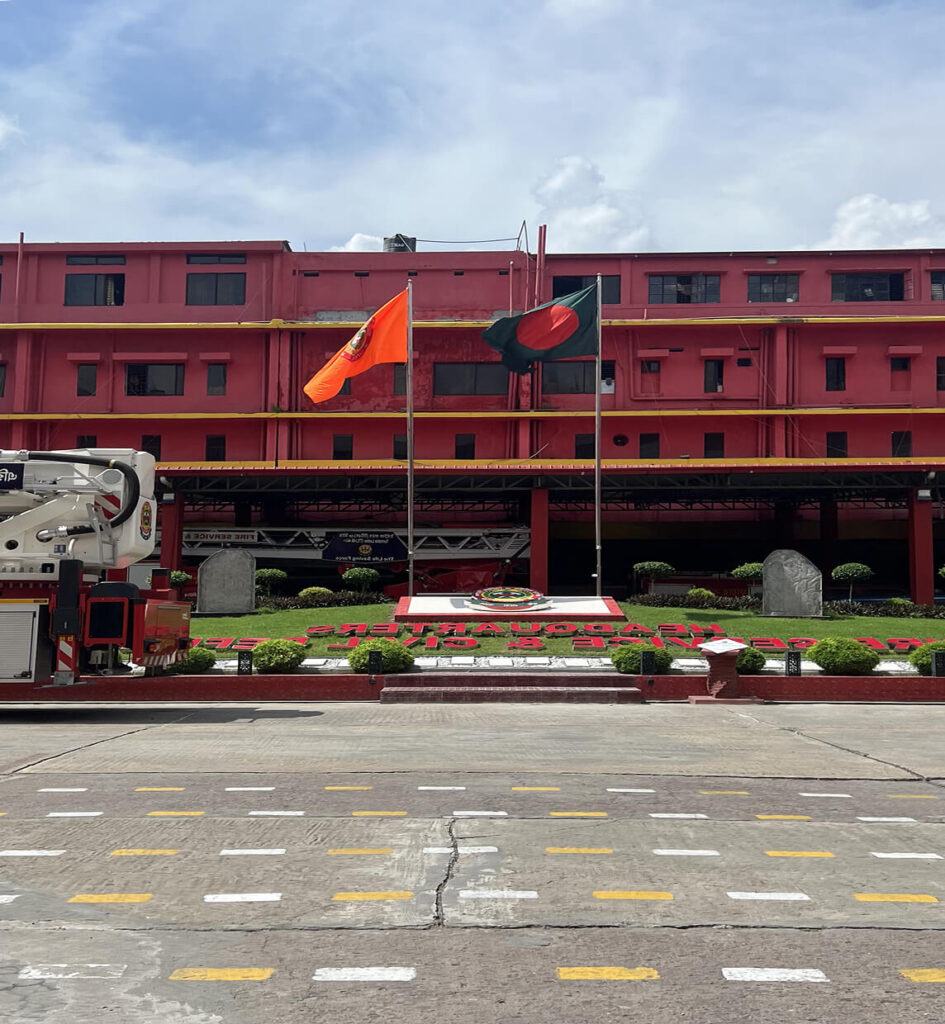
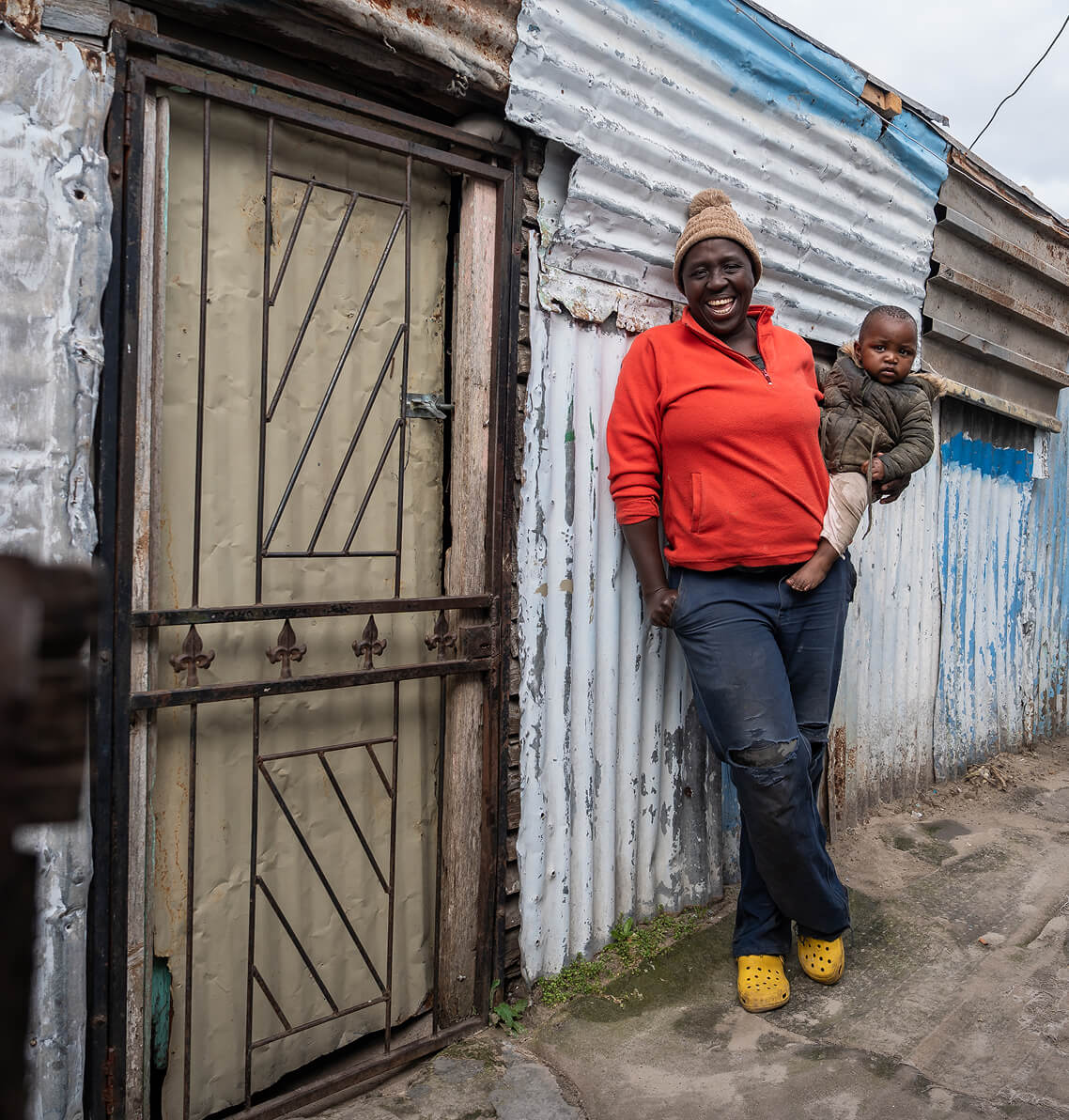
Cape Town, South Africa & Dhaka, Bangladesh

Focus

Learning & Practice
Sponsor
Royal Academy of Engineering

Status

Completed

Outputs

Report

What it is

Inquiry into how fire safety in informal settlements is governed

Overview

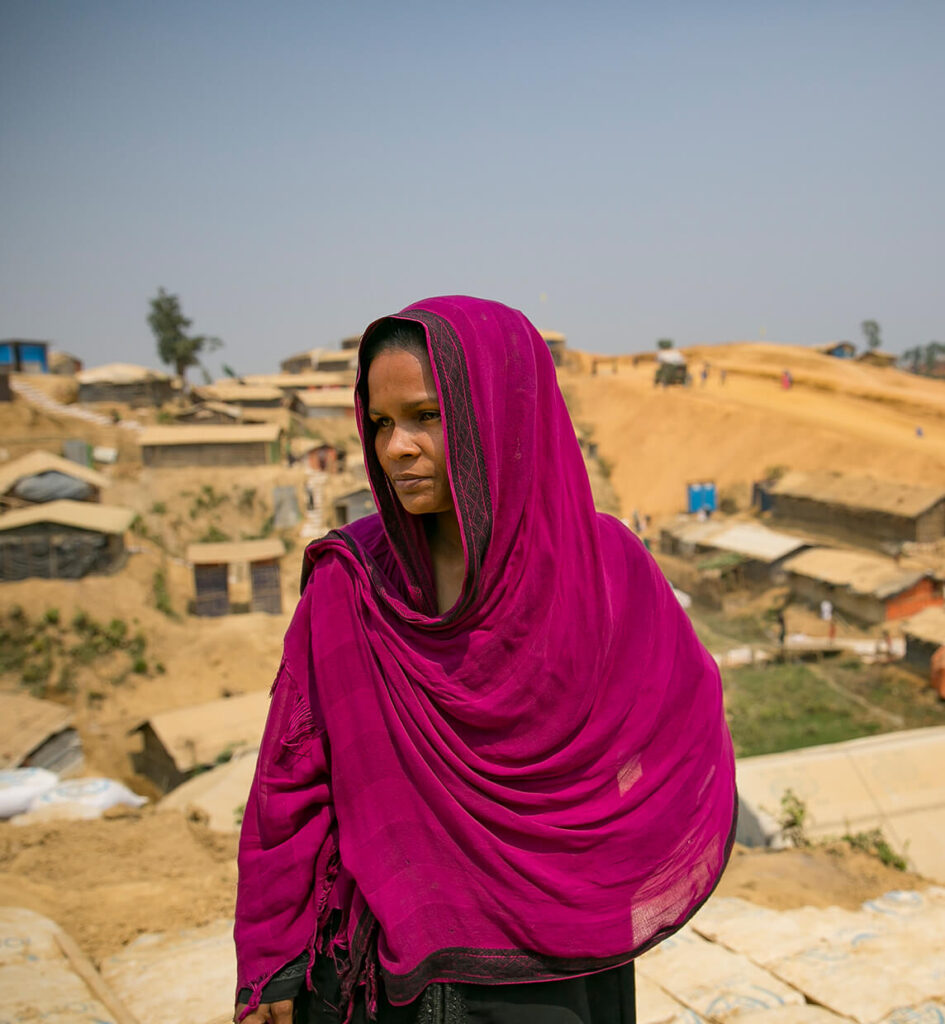
Fire in informal settlements is a product of how cities grow, who is included in that growth, and whose safety is protected. In Cape Town and Dhaka, residents live with chronic fire risk shaped by insecure tenure, limited services, dense layouts, and governance systems that often overlook them. A single incident can erase homes and livelihoods, yet the structures intended to manage safety are rarely designed with these settlements in mind.

This project examines how fire risk governance changes when informal settlements are viewed as part of complex urban systems rather than exceptions to the formal city. This research traced how political economy, legality and illegality, and multi-layered power relations shape who is protected, who is ignored, and whose knowledge counts when safety systems are designed.

At its core, the work argues for diversified, hybrid governance that values resident expertise, builds long-term relationships, and moves beyond technical fixes toward more just and context-responsive safety systems.

The Challenge

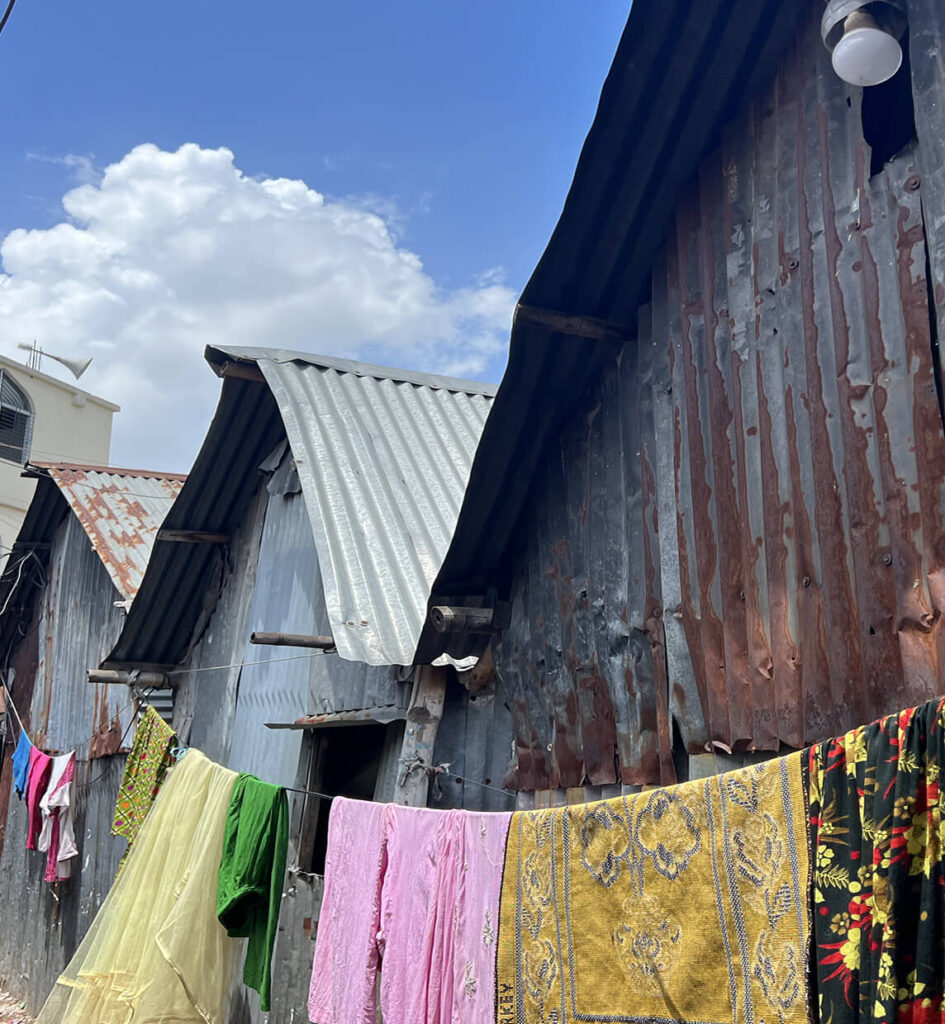
Fire risk in informal settlements emerges from the way cities are built and governed over time. Unequal access to land and housing pushes low-income residents into high-risk locations, often on marginal or privately owned land, where formal infrastructure and services are absent or deliberately withheld. In Dhaka, informal settlements are treated as illegal spaces to be erased in the pursuit of a “slum-free city,” even as high-rise buildings intended for relocation themselves lack robust fire safety regulation. In Cape Town, a progressive constitutional framework and recognition of informal settlements coexist with severe housing deficits and growing fire risk that outpaces the state’s ability to respond.

Within this landscape, fire safety is rarely treated as a specific governance responsibility. Urban fire safety sits at the margins of disaster risk reduction, resilience, and development agendas, and there is no clear authority mandated to lead on fire risk in informal settlements in either city. This governance vacuum allows risks to cascade: engineered systems designed for formal neighbourhoods are stretched into informal settlements without adapting to density, materials, or lived realities, while informal responses emerge out of necessity rather than support.

Power and politics are core to the fire problem. In Dhaka, the illegality and invisibility of settlements prevent these fires from being formally recognised, and fire is even used to facilitate land clearances for redevelopment. In Cape Town, the focus on limited funds obscures questions of prioritisation, accountability, and who gets to decide how scarce resources are used. Across both cities, hierarchies within formal institutions and informal structures, such as street committees, leaders, and middlemen, shape who gains access to services, upgrading, and post-fire assistance. Fire safety therefore cannot be separated from broader questions of justice, representation, and the distribution of power in the city.

Our Approach

This project is grounded in complex adaptive systems thinking, treating fire risk and safety as emergent properties of interacting social, political, economic, and material processes rather than as a single technical problem. Fire safety systems are understood as hybrid: formal regulations, services, and engineered interventions intersect with everyday, informal practices developed by residents, community organisations, NGOs, and private actors. Governance, in this framing, is not confined to government; it is enacted through routine decisions, negotiations, and actions across the system.

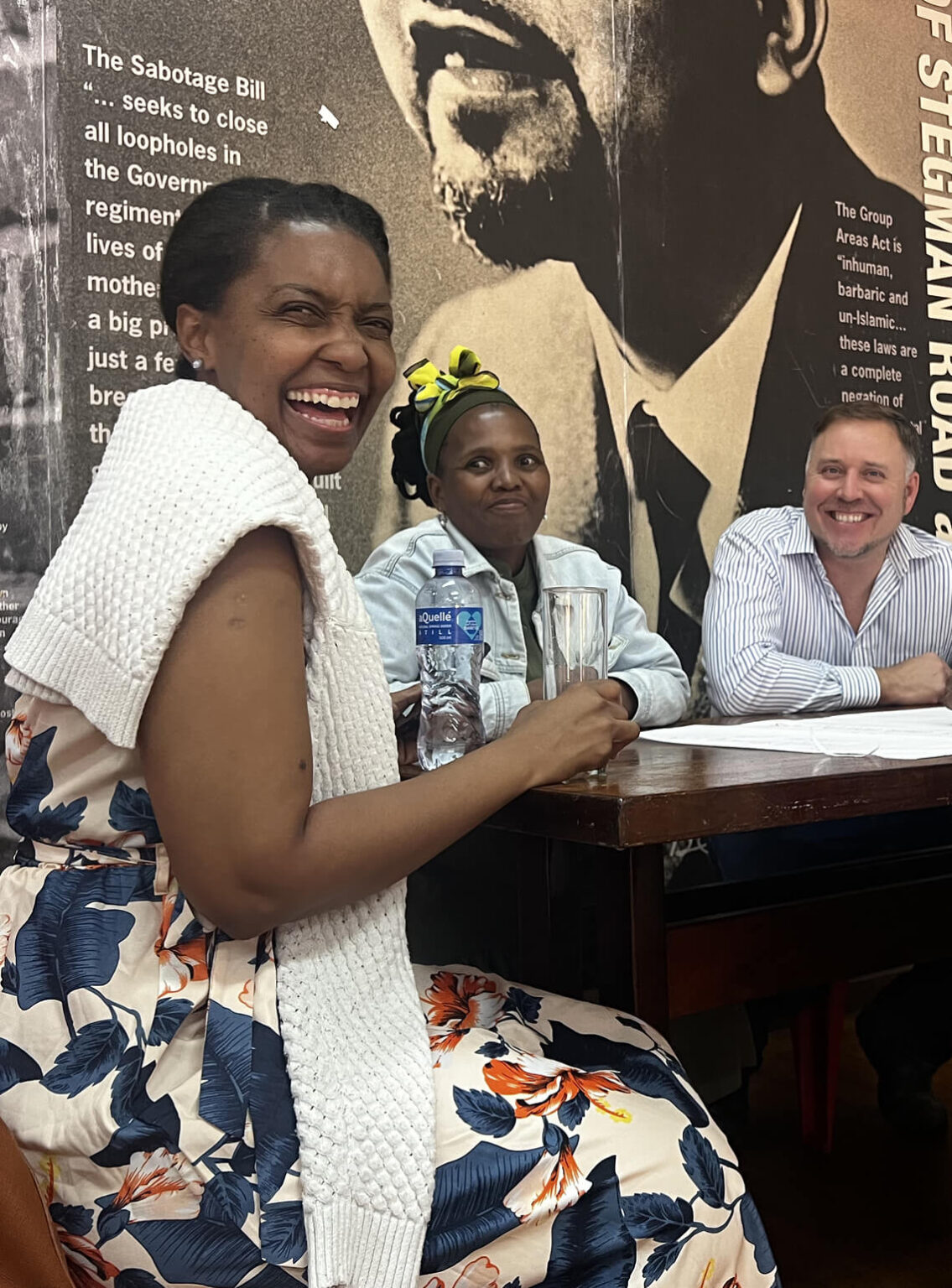
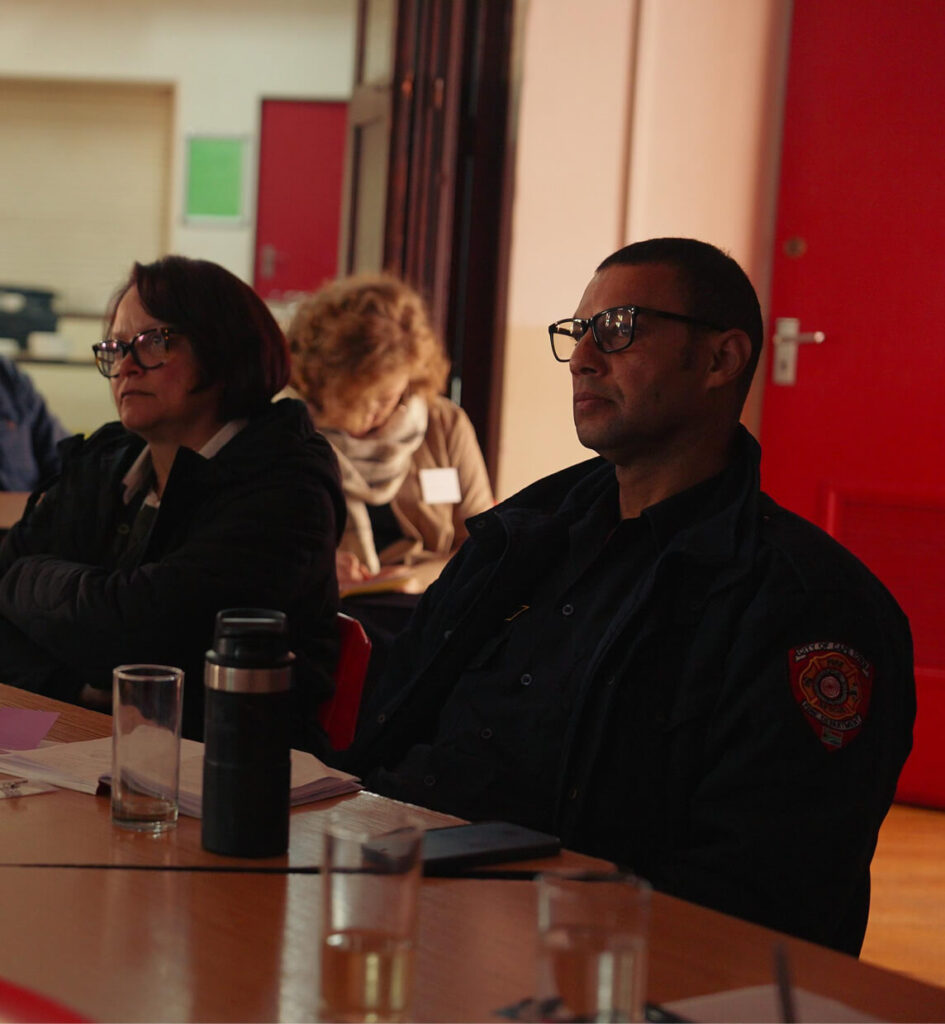
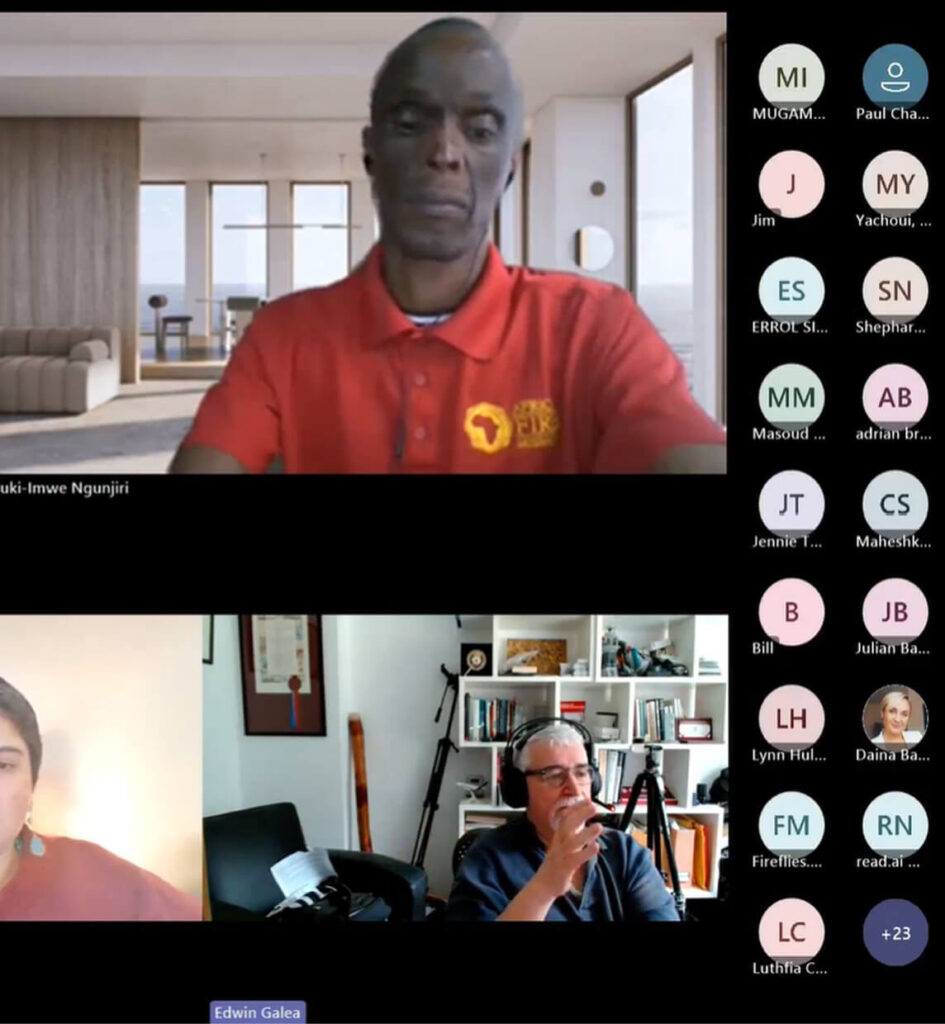
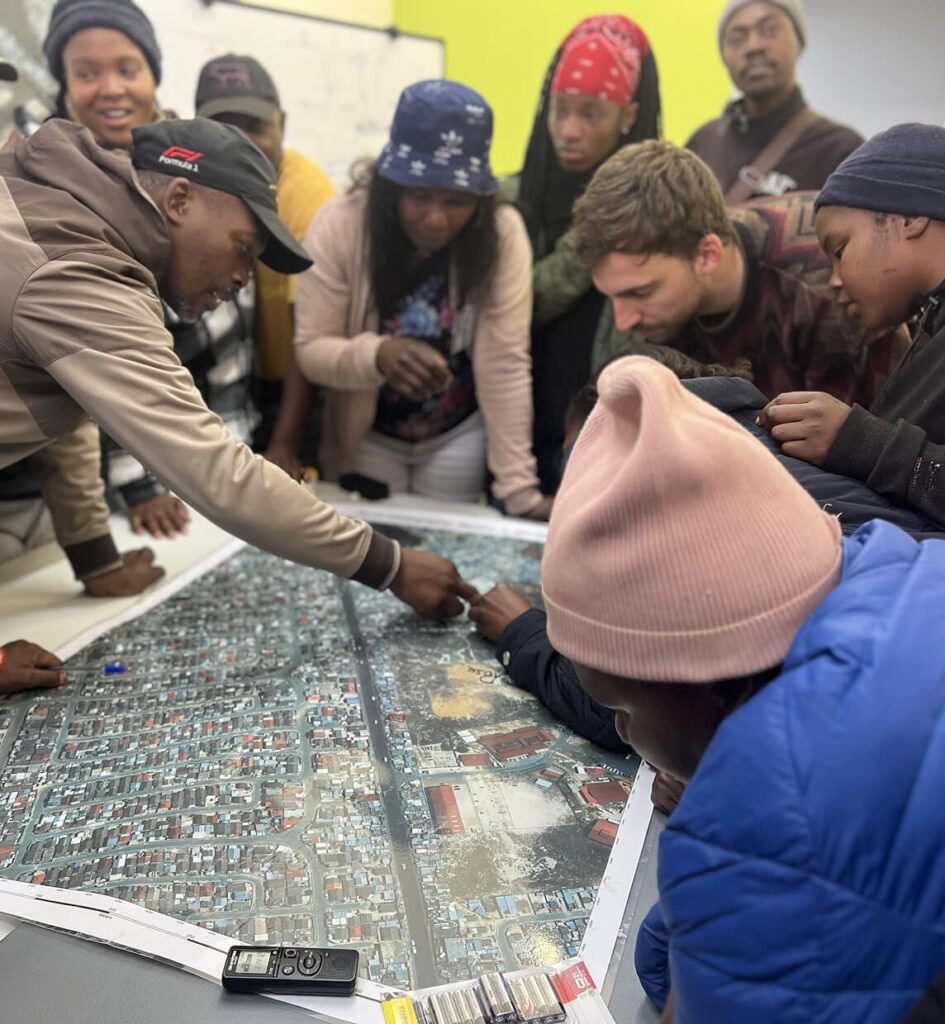
Building on previous Safer Complex Systems work in Cape Town and Dhaka, the team convened multi-actor roundtables, targeted engagements, and informal conversations with people who have a stake in informal settlement fire risk. These included residents, community leaders, local NGOs, fire and disaster management services, planners, utilities, academics, and private sector actors. Dialogue-based methods such as small-group discussions, message cards, resident-generated images, and settlement walks were used to surface lived experience, conflicting priorities, and hidden assumptions about what “safety” and “failure” mean in practice.

Rather than treating participation as a one-off consultation exercise, the approach interrogated the difference between participation and inclusion: who is invited into the room, who can speak freely, whose input shapes decisions, and whose realities are built into emerging solutions. The analysis draws together three cross-cutting themes—listening to diverse voices, learning from failure, and recognising the consequences of political action and inaction—to explore what inclusive, systemic governance of fire risk might look like. The project also tests the potential of Communities of Practice as a governance mechanism that can hold long-term, multi-actor learning and co-design.

Guiding Questions

This project sits at the intersection of urban governance, informality, and technical fire safety. It asks how fire risk in informal settlements can be governed differently when complexity, power, and lived experience are treated as central rather than peripheral. The work is guided by questions that reach beyond a single intervention or city to the design of safer complex systems.

  • What happens when fire safety systems start from the question “whose reality counts?” and deliberately centre the knowledge and experience of informal settlement residents
  • How can formal institutions and informal, everyday governance practices be woven into hybrid systems that reduce risk instead of creating it?

Key Insights

Hybrid, everyday governance already shapes how fire risk is managed, but it does so under conditions of inequality and limited accountability. Residents reorganise daily routines around load shedding, check on neighbours who cook late at night, enforce informal rules around high-risk behaviours, and rely on mutual aid, bucket brigades, and local leadership structures to respond when fires occur. Street committees, local leaders, NGOs, private companies, and intermediaries all influence who receives training, equipment, rebuilding support, or access to programmes. These informal practices can reduce risk and hold communities together, but they can also reproduce gatekeeping, clientelism, and uneven protection when they are not recognised, supported, or connected to transparent, rights-based governance.

Participation without inclusion reinforces systemic failure and blocks learning. When residents are not part of designing interventions, solutions may be unworkable, unwanted, or actively harmful in practice. Those who bear the greatest risk who are left to adapt, finding ways to live with recurrent fires, unreliable services, and fragmented support. Where these adaptations are not taken seriously, the system keeps learning the wrong lessons: failures are individualised, responsibility is deflected, and the conditions that enable fire risk remain largely intact.

Why It Matters

Seeing fire safety in informal settlements as a systems issue can reshape what cities and supporting institutions consider possible. It highlights that decisions about land, infrastructure, regulation, and redevelopment are simultaneously decisions about fire risk, and that technical interventions alone cannot shift the conditions in which residents live. More durable progress depends on governance arrangements that can hold relationships, accountability, and learning over time.

This work has already helped illustrate what such arrangements might look like in practice. The call from Cape Town partners during the research workshop—“don’t disappear”—surfaced a deeper need for continuity and shared stewardship in a field where actors often cycle in and out. The Cape Town Community of Practice that formed afterward reflects this desire for a long-term space where residents, government, NGOs, private companies, academics, and technical specialists can learn from one another and test new ways of working.

Sponsor

This project was supported by the Royal Academy of Engineering and the Lloyd’s Register Foundation under the Engineering X “Safer Complex Systems – Govern Project”.

Royal academy of engineering

Read the report

Download the project report to learn more

Newsletter sign up

Get the latest updates via email