Fire risk emergence in Cape Town and Dhaka
Place
Focus
Status
Outputs
What it is
Overview
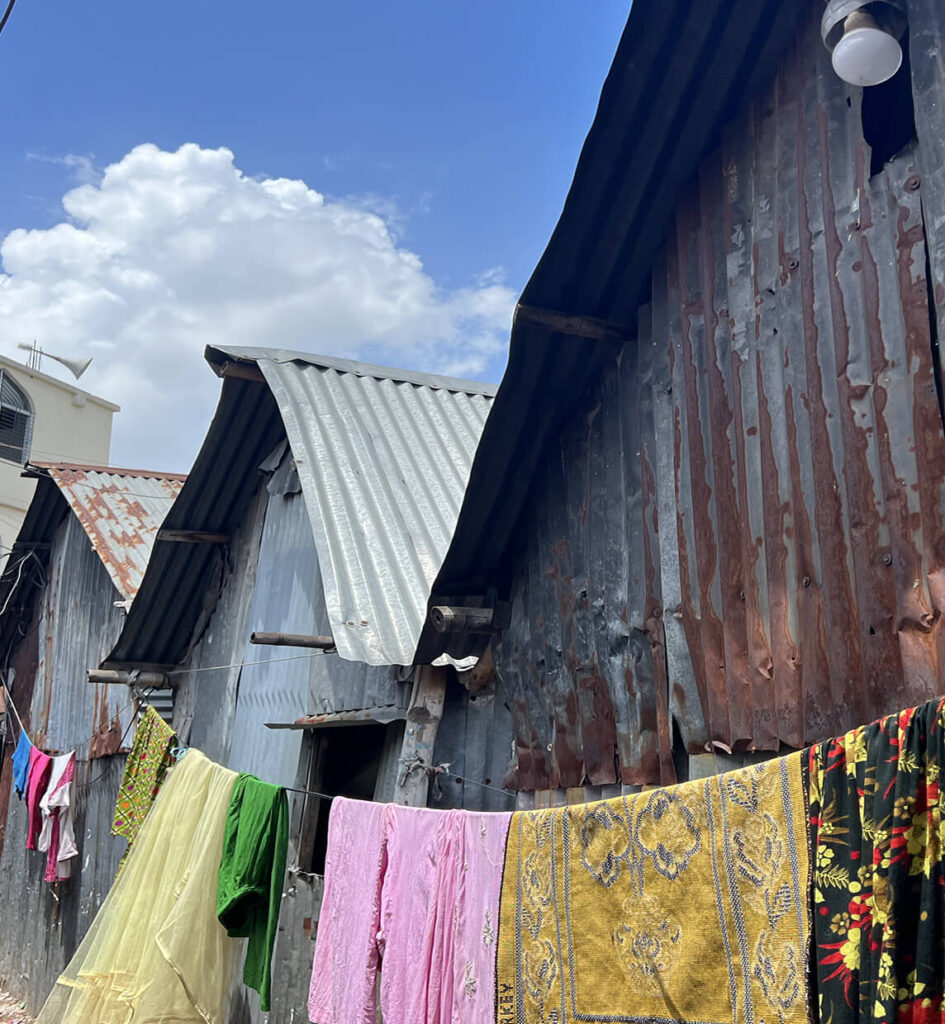
One billion people live in informal settlements worldwide, where catastrophic fires are alarmingly frequent. Yet fire risk in these communities remains poorly understood and largely excluded from global disaster policy and practice.
This research examined fire risk as a complex adaptive system, exploring how social, political, economic, and technical factors interact to produce fire hazards and vulnerabilities in informal settlements.
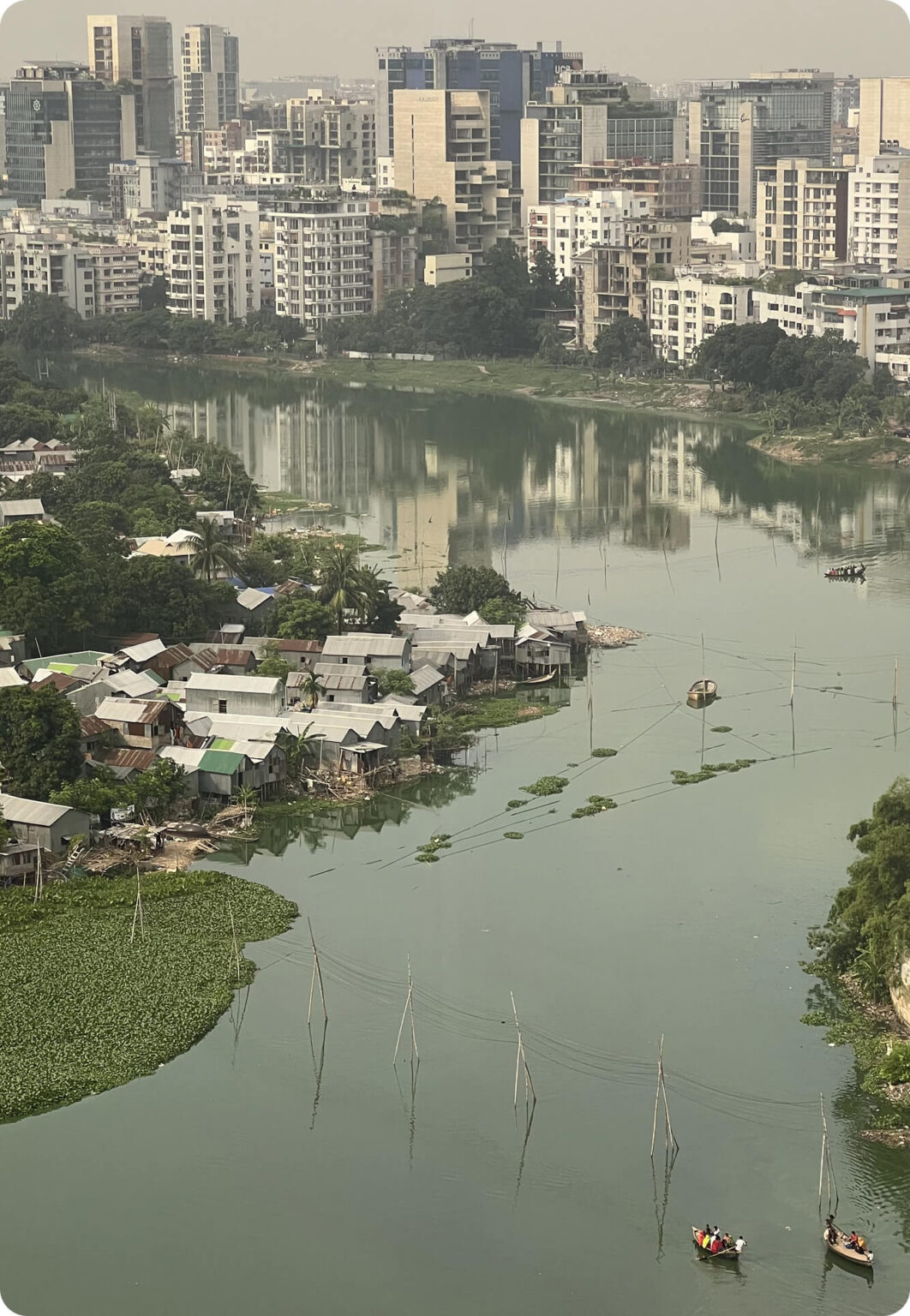
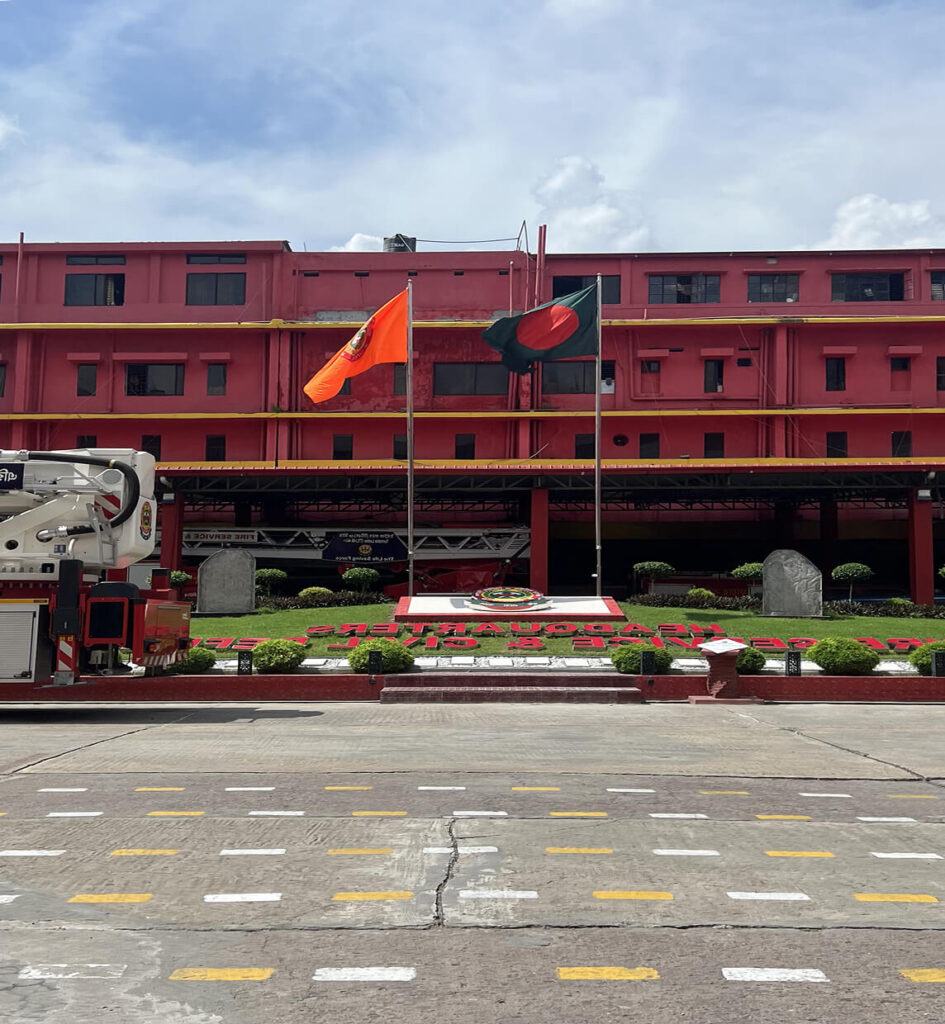
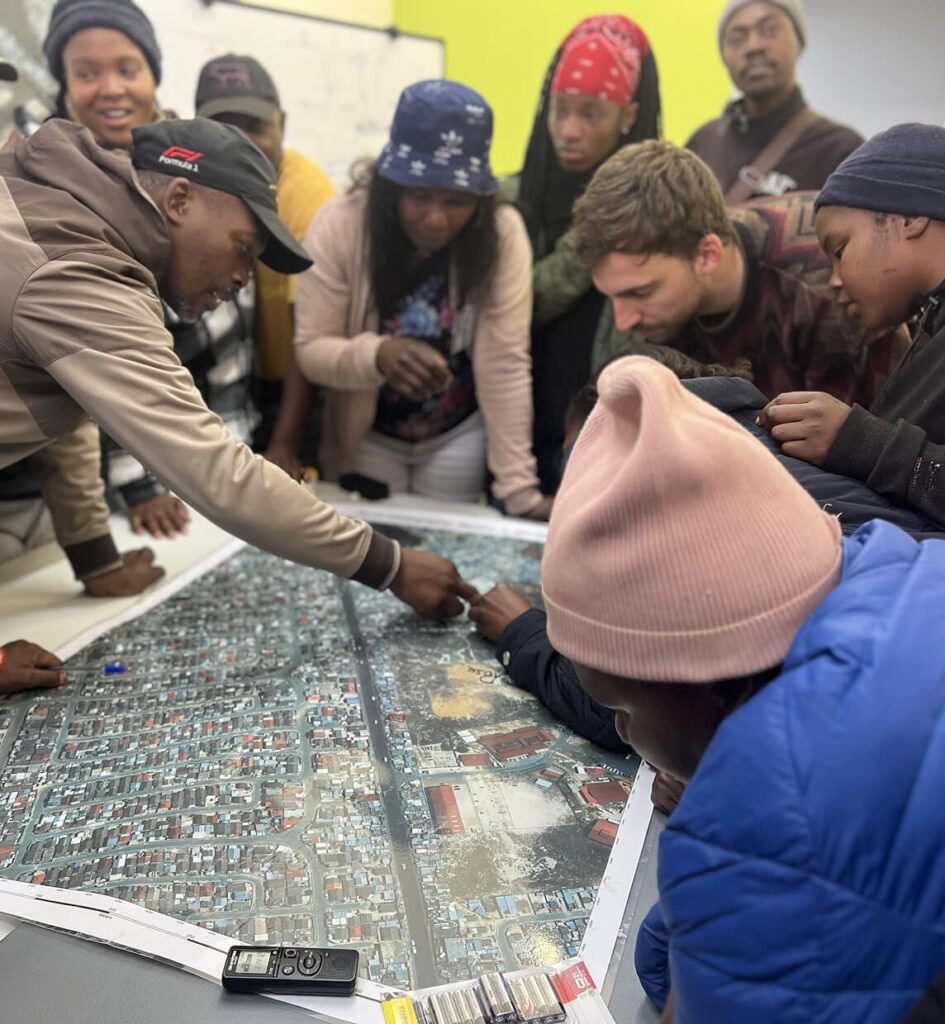
Through case studies in Dhaka, Bangladesh and Cape Town, South Africa, we developed a framework for understanding how fire risk emerges, setting a foundational understanding for how safety can be enacted in these dynamic urban environments.
The Challenge
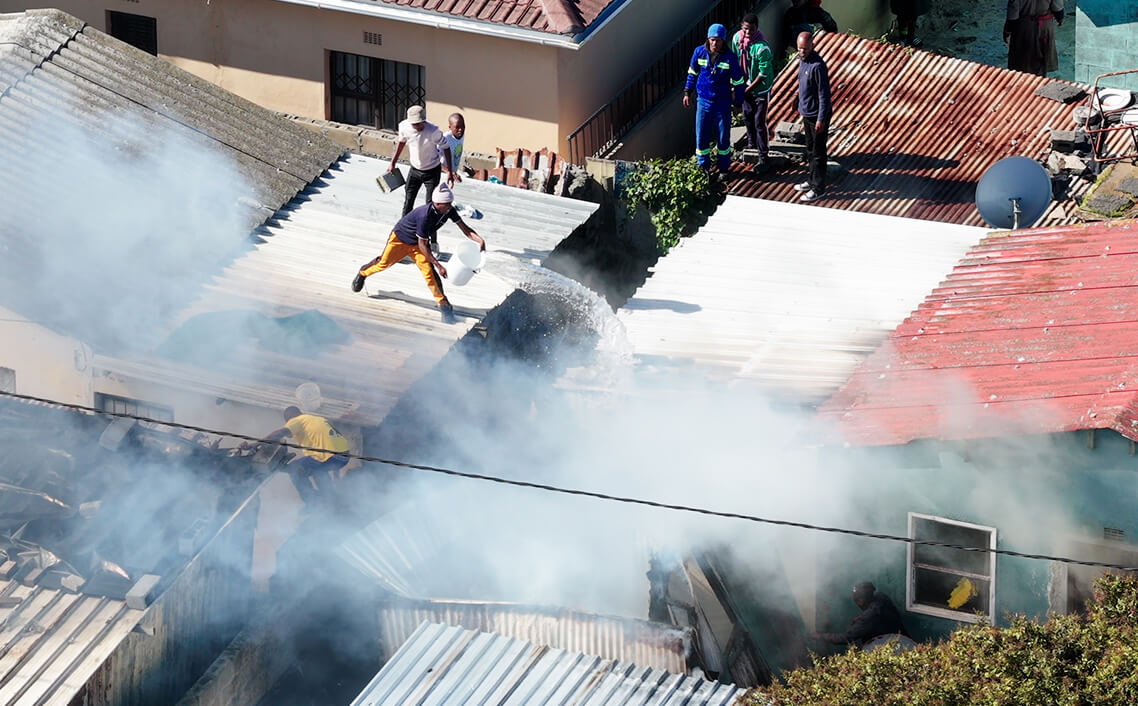
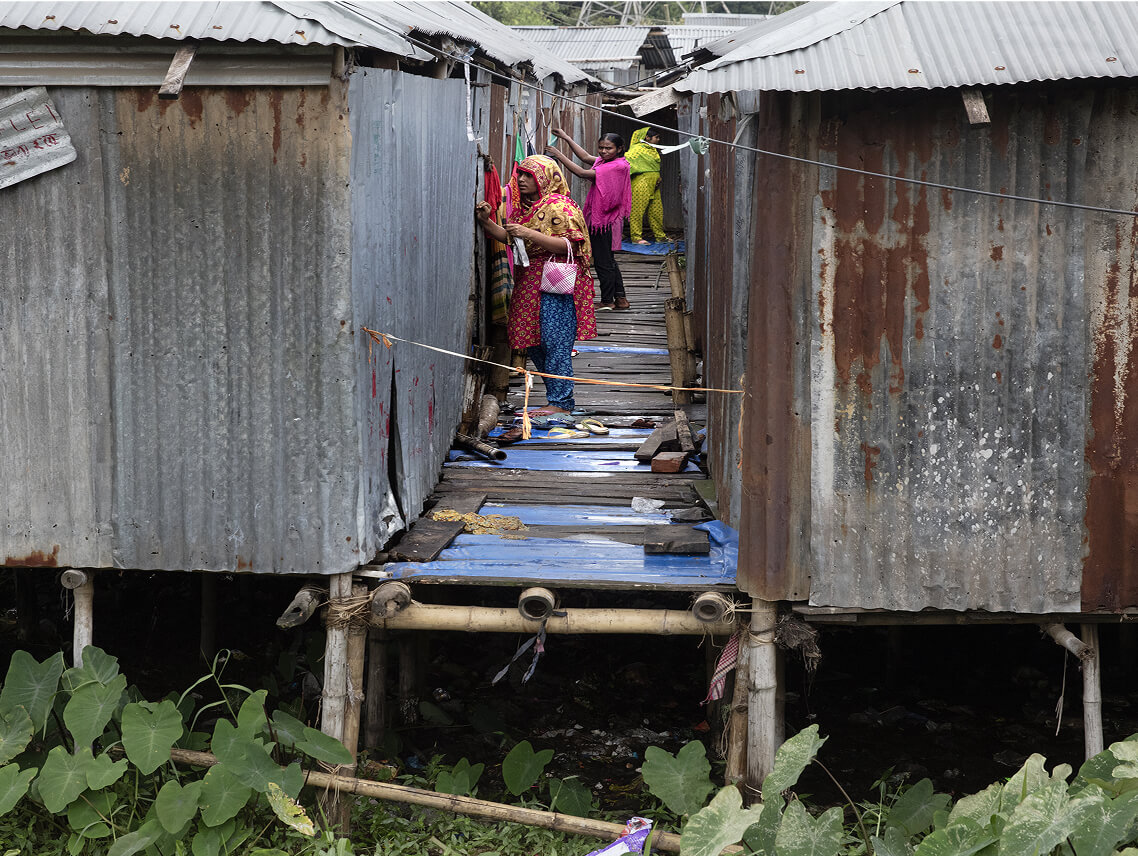
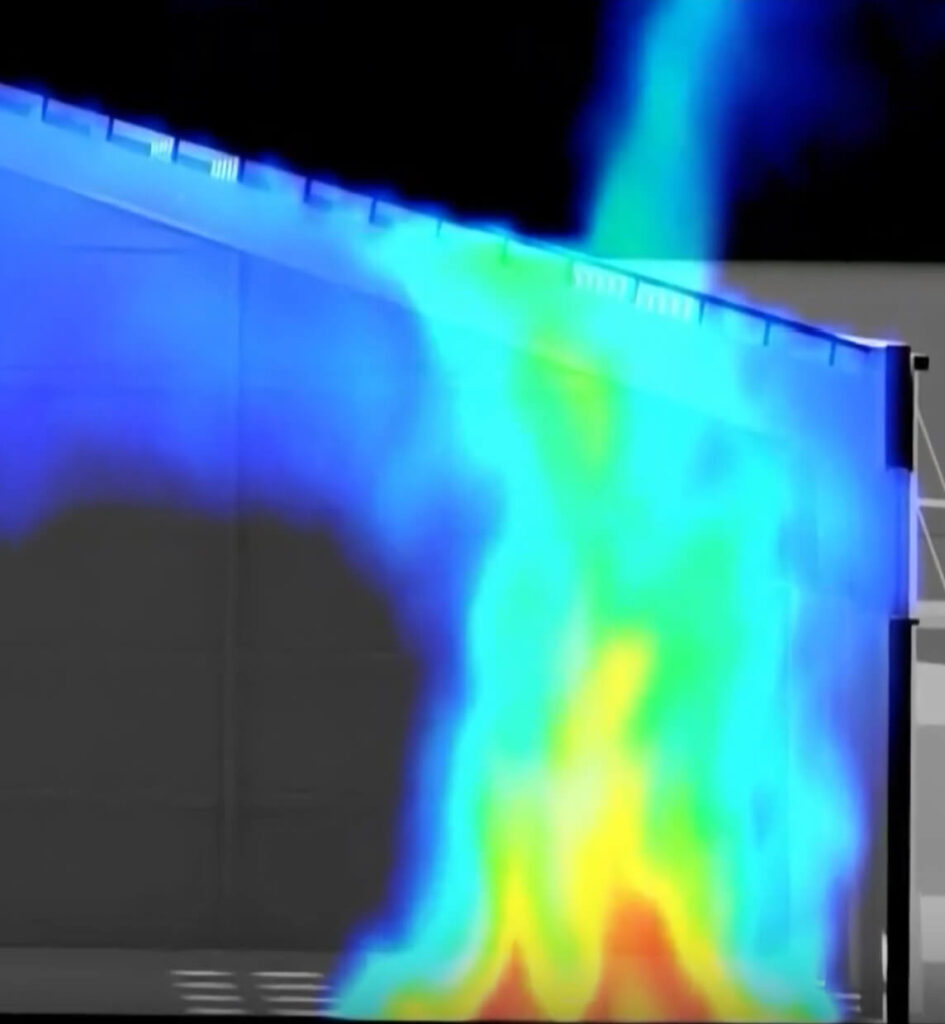
Fire risk in informal settlements is rooted in long-standing structural conditions. Insecure land tenure discourages investment in safer housing; unreliable or unaffordable electricity and gas systems push households toward hazardous alternatives; and dense layouts built from combustible materials create environments where small fires can spread rapidly. Fire services, face delayed notification, difficult access, and limited infrastructure, making it hard to contain fires once they begin.
Conventional fire safety treats fire as a technical hazard to be controlled through regulations, equipment, and infrastructure. But in informal settlements, risk is shaped just as much by history, politics, economics, and everyday realities. Without understanding these forces—and the constrained choices people face—fire safety efforts remain mismatched to the environments they aim to protect.
Our Approach
We adapted the Pressure and Release (PAR) framework to help us trace fire risk back to root causes and understand how “dynamic pressures” manifest as specific hazards and vulnerabilities. Combined with a Complex Adaptive Systems (CAS) approach, this allowed us to map the non-linear interactions between system components, recognize how fire risk in informal settlements emerges from and connects to wider urban systems, and understand existing and potential adaptive responses at multiple scales.
Together, these frameworks revealed fire risk not as a simple equation of ignition sources plus fuel, but as an emergent property of complex urban systems shaped by inequality and exclusion.
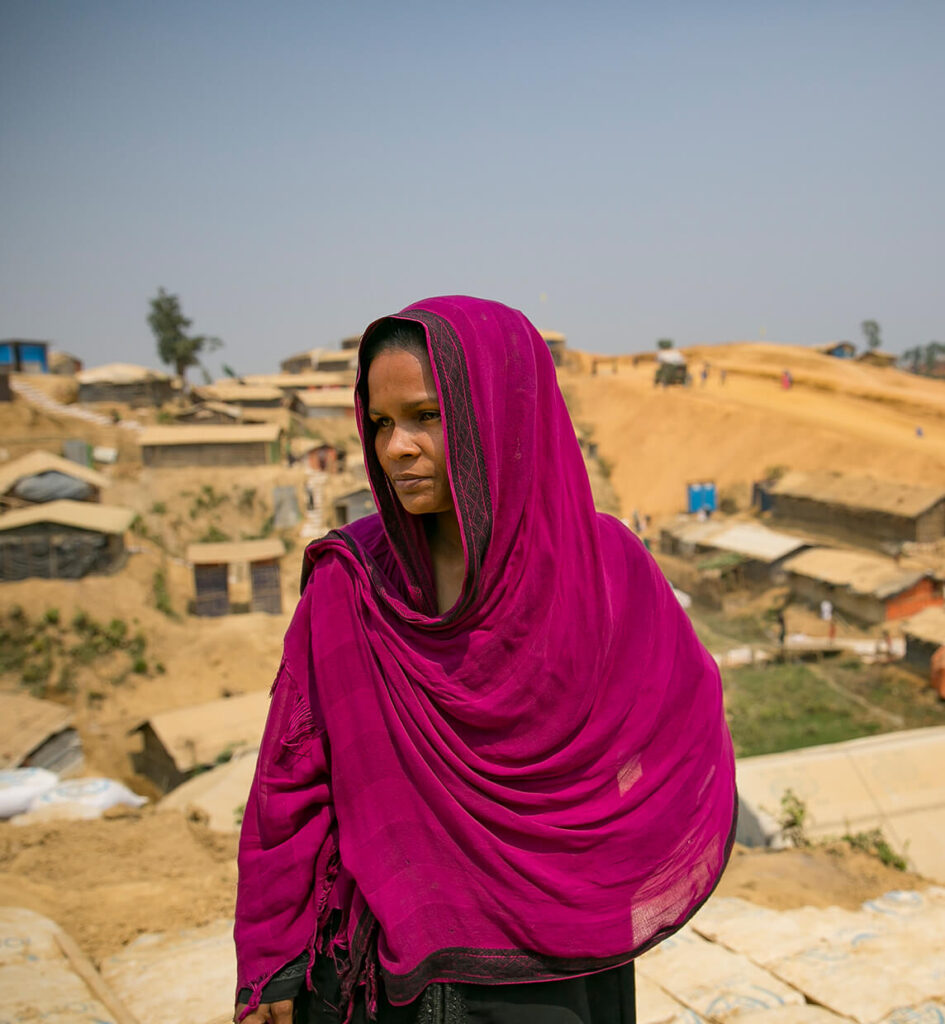
Photo Credit: BRAC
Guiding Questions
This comparative study was shaped by two central questions that guided the systems mapping, interviews, and cross-city analysis.:
- How does fire risk emerge in informal settlements in the two cities?
- How is fire safety enacted in the two cities? What factors enable/disable this?
Key Insights
Fire risk emerges from the intersection of everyday conditions with deeper structural pressures. In both cities, insecure tenure, inaccessible services, dense layouts, and limited access routes create environments where a small spark can quickly turn into a catastrophe. These conditions are rooted in long-standing histories of exclusion, urbanisation, and uneven service provision. Household-level decisions—how to cook, heat, or earn income—are shaped by these constraints, meaning fire risk is less about individual behaviour and more about the systems that limit safer options.
Fire safety functions through a mix of formal systems and community-led practices. Residents are almost always the first to detect and respond to fires, using whatever resources are available, while formal fire services, designed for the formal city, face delays, blocked access, and limited infrastructure. In both Cape Town and Dhaka, responsibilities for fire safety in informal settlements are not explicit and spread across multiple actors without clear coordination, which leads to gaps in prevention, mitigation, preparedness, response, and recovery. These dynamics create a hybrid fire safety landscape where community capacity is not acknowledged or supported, institutional mechanisms are not fit for purpose, and system-wide alignment is severely limited.

Why It Matters
This study helped establish a new way of thinking about fire in informal settlements: fire is not simply a hazard, but a product of the way a city works—and the ways it fails to work for many residents.
For Kindling, this research has became one of the cornerstones of our approach. It taught us to look beyond single hazards and towards the full set of pressures that shape people’s daily lives. Today, this systems perspective guides our work with communities, governments, and humanitarian partners in cities around the world.
Sponsor
This project was supported by the Royal Academy of Engineering and the Lloyd’s Register Foundation under the Engineering X “Safer Complex Systems – Govern Project”.
Collaborators
We are grateful for our research collaboration with the National Fire Protection Association (NFPA) and Stellenbosch University.