Cape Town Community of Practice
Place
Focus
Status
Outputs
What it is
Overview
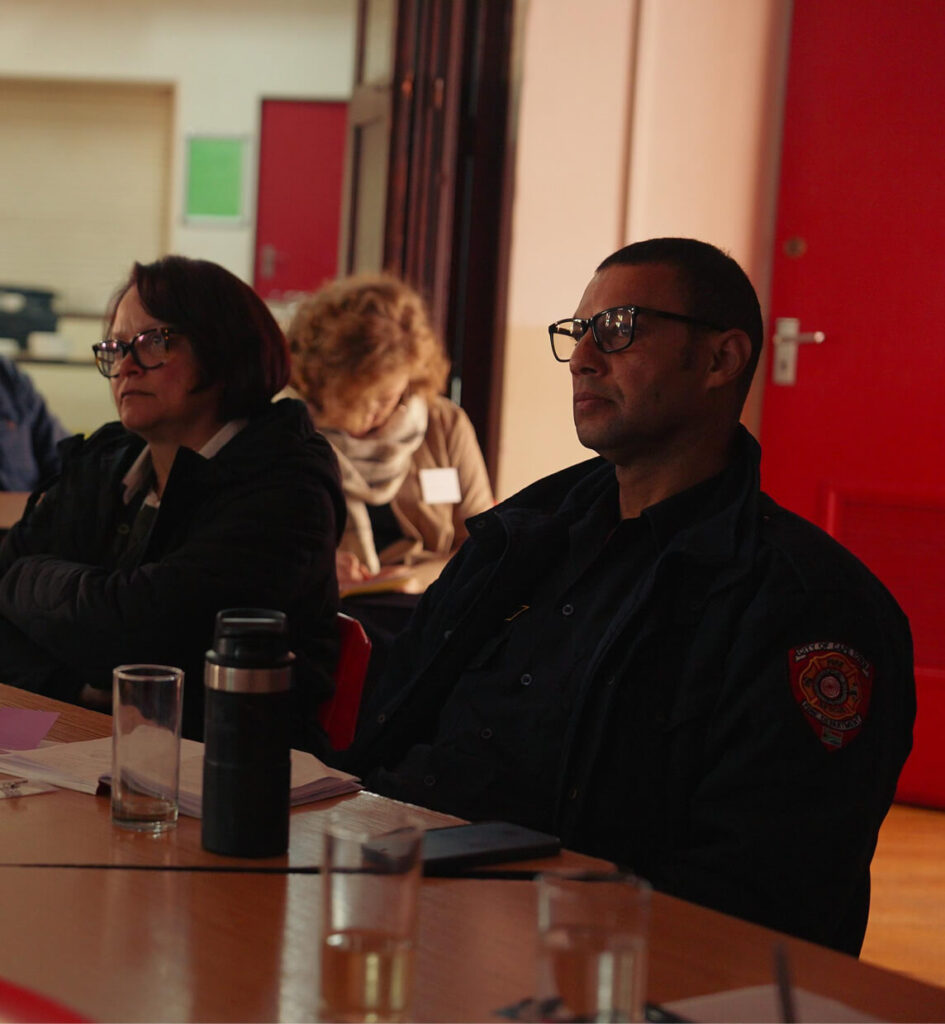
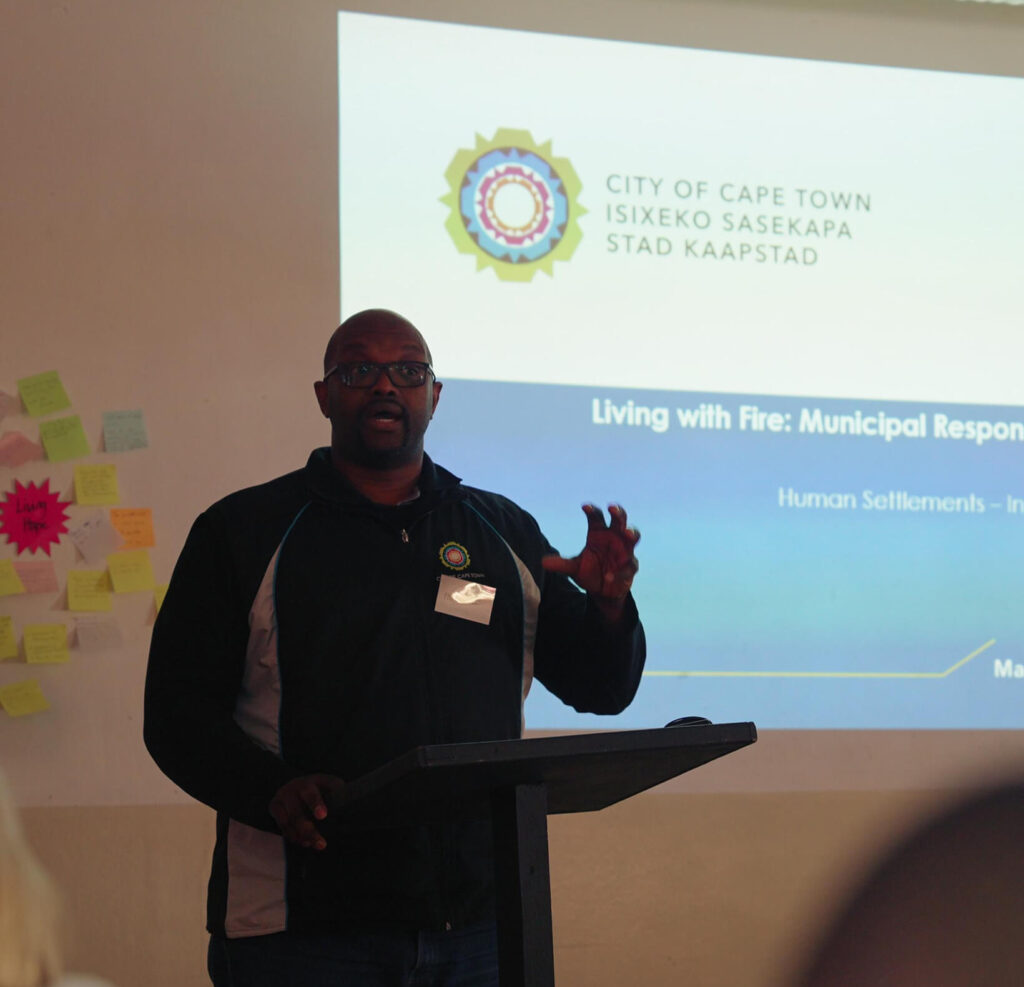
The Cape Town Community of Practice on Fire Safety in Informal Settlements is a growing cross-sector platform dedicated to reducing the impacts of fire on residents living in the city’s informal settlements. Born from a 2023 research roundtable of more than 50 stakeholders, the Community of Practice (CoP) creates a regular space for government departments, community leaders, NGOs, researchers, and the private sector to work together rather than in isolation. It responds directly to a collective request from participants at that roundtable: “Please don’t disappear.”
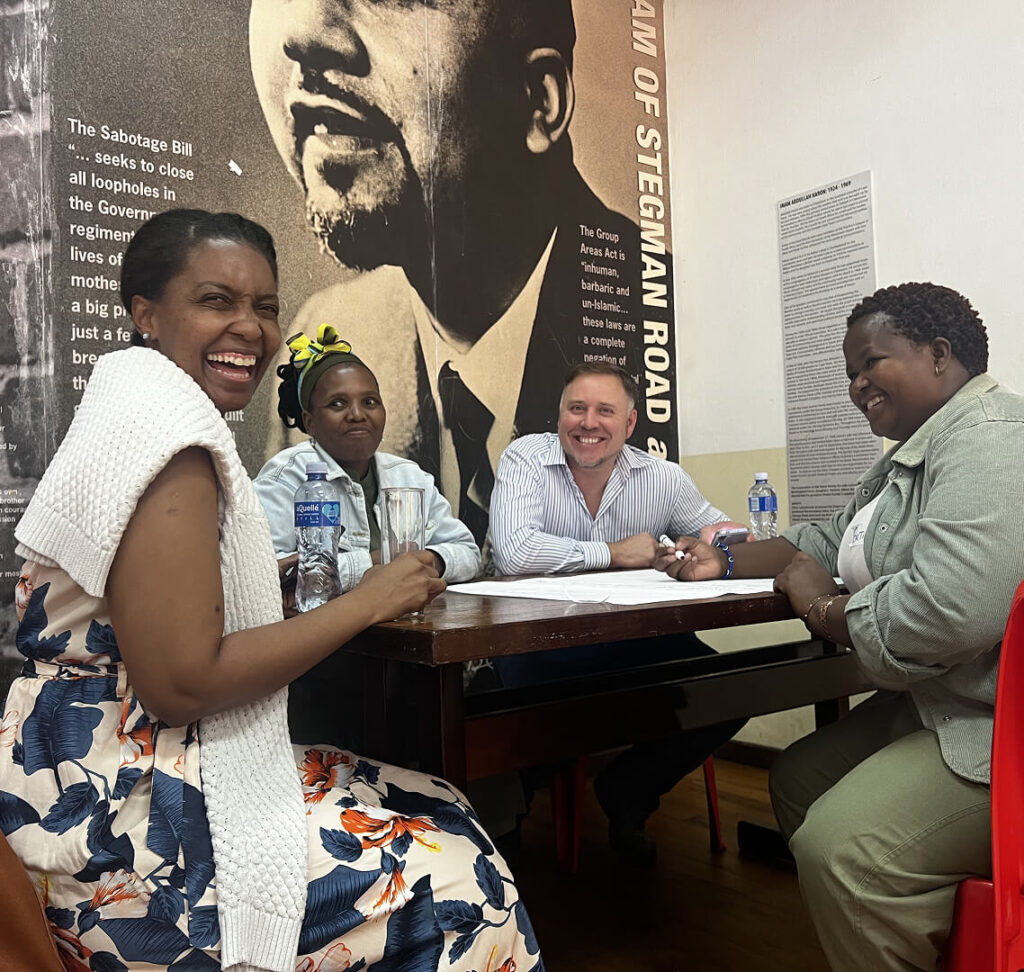
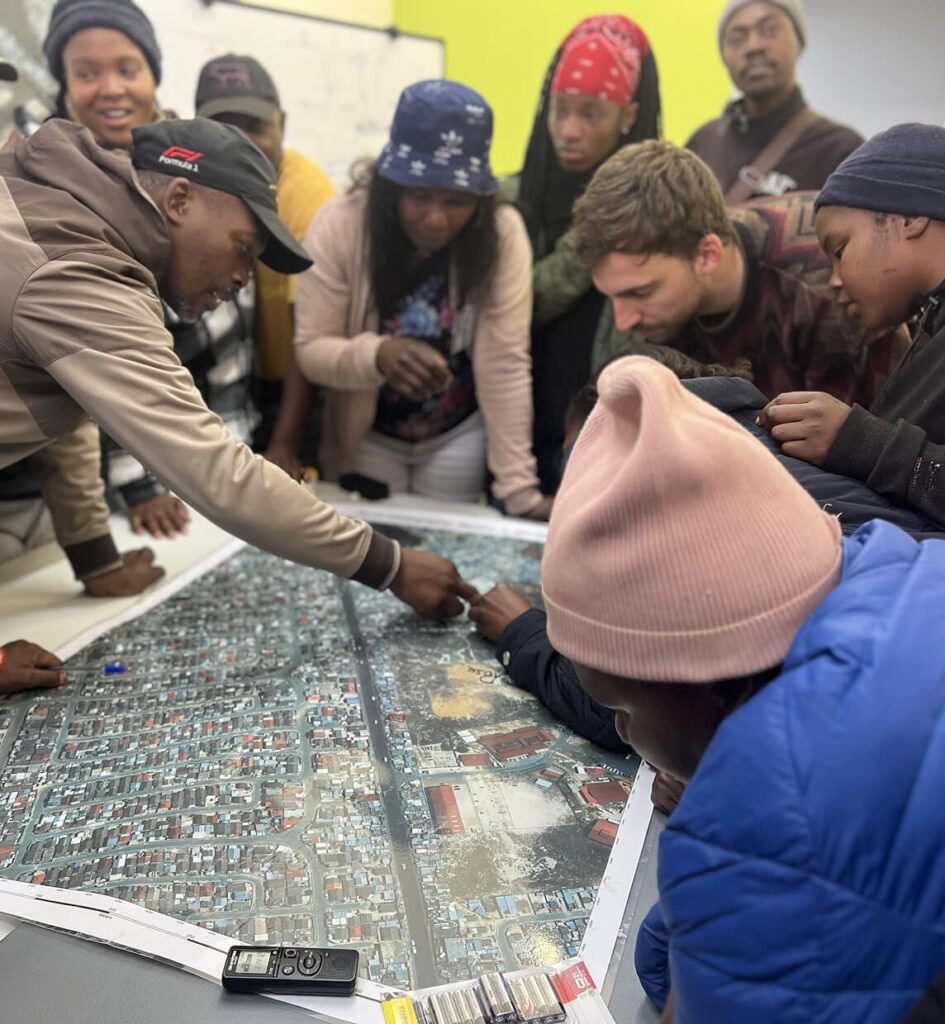
Through quarterly in-person workshops, the CoP focuses on connection, coordination, and collaborative problem-solving. It centres the lived experiences of residents alongside operational, technical, and policy expertise, treating each as essential to understanding and addressing fire risk. Together, we ask how fire risk emerges from the intersection of governance, infrastructure, livelihoods, and everyday practices in informal settlements, and how these dynamics can be shifted in ways that centre dignity and equity.
“It opens up one’s mind to think of other possibilities, other avenues, other collaborations, better ways of doing things.”
- Joshua Fortune
Disaster Risk Management Official, City of Cape Town
The Challenge
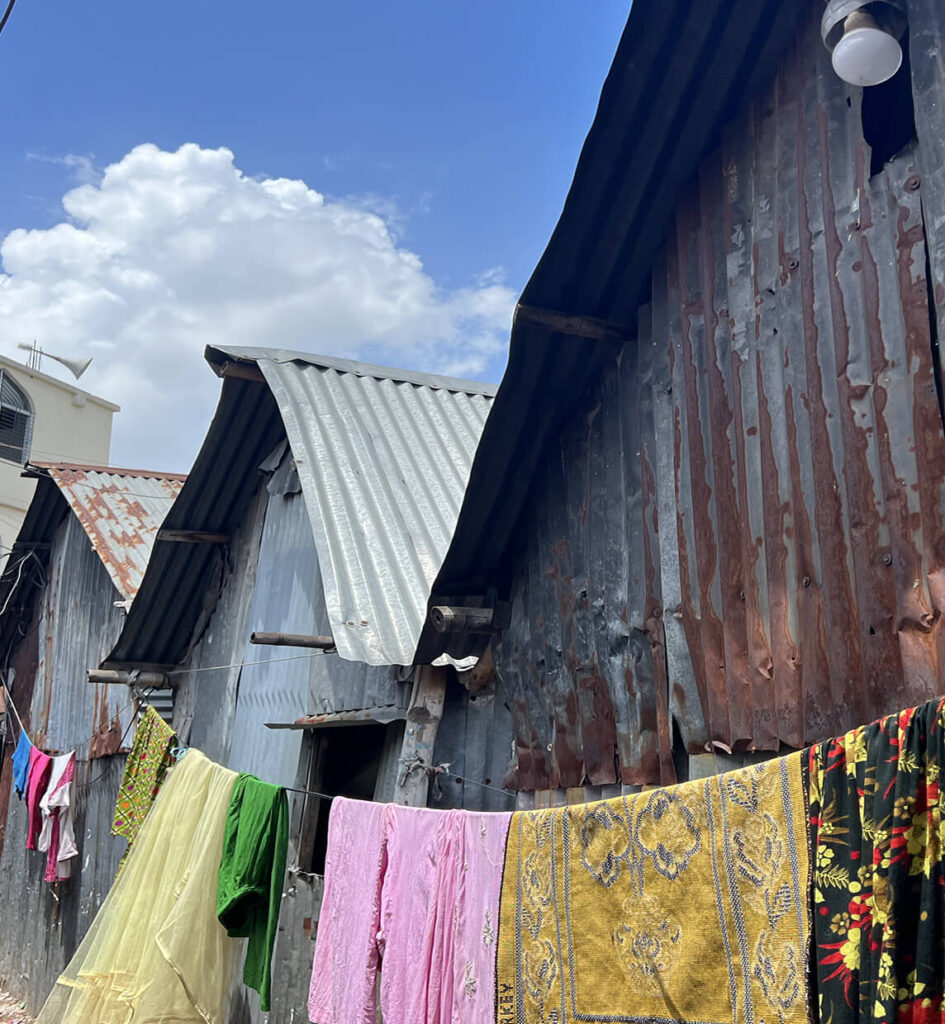
Fire risk in Cape Town’s informal settlements is not only a question of faulty wiring, open flames, or dense structures; it is the product of a much deeper web of historical, political, economic, and spatial forces. Legacies of inequality, housing backlogs, and land scarcity have concentrated people in high-density settlements with limited formal services, constrained road access, and precarious energy systems. In these environments, everyday practices that ensure survival can also increase fire risk.
Governance arrangements further complicate the picture. Responsibility for fire safety is fragmented across departments and spheres of government, each with its own mandates, budgets, and timelines. Policies and strategies exist at national, provincial, and municipal levels, but implementation is shaped by political priorities, funding constraints, and competing pressures on land and infrastructure. At the same time, community knowledge of risk patterns, evacuation challenges, and lived impacts is often under-recognised in formal planning processes.
This combination of structural inequality, institutional fragmentation, and insufficient coordination creates a system in which the same communities experience recurrent fires, limited recovery options, and slow progress on underlying drivers. Traditional top-down interventions delivered without sustained engagement or clear accountability struggle to shift this pattern. A different way of working is needed: one that treats fire risk as a systemic issue and builds spaces where diverse forms of expertise can meet on equal terms.

Our Approach
The Community of Practice is designed as a practical systems intervention: a standing forum where people who care about fire safety in informal settlements can learn together and act in more coordinated ways. It draws on ideas from disaster risk reduction, governance, and complex systems, but translates them into accessible activities and conversations. Rather than focusing only on emergency response, the CoP uses a disaster cycle lens—considering what happens before, during, and after fires—to surface gaps and opportunities across that full arc.
Meetings are structured to ensure that different kinds of knowledge are visible and valued. Timeline exercises trace key incidents, policy shifts, and innovations over time, helping participants see how historical decisions shape current hazards and vulnerabilities. PESTLE-style discussions unpack potential interventions through political, economic, social, technological, legal, and environmental dimensions, exposing both the promise and the constraints of different ideas. The CoP also increasingly foregrounds data—both quantitative and community-generated—as a shared asset for assessing fire risk, evaluating interventions, and informing advocacy.
The space is intentionally bilingual (isiXhosa and English) and guided by a clear code of conduct that emphasises respect, participation, and care, particularly given the trauma many participants carry from past fires. Kindling currently convenes and facilitates the CoP—organising venues, interpretation, agendas, and documentation—while deliberately nurturing co-ownership and encouraging members to shape themes, raise critical issues, and build collaborations between meetings.
Key Insights
Fire in informal settlements is often described as an unavoidable consequence of poverty or informality. The Community of Practice challenges this assumption by offering a consistent platform for shared analysis, joint action, and coordinated decision-making. Its existence allows pilot projects, policy work, operational practices, and community-led initiatives to reinforce one another rather than compete for attention or resources, contributing to a more integrated city-wide approach to fire safety.
The CoP creates a practical mechanism to ground fire safety initiatives in the lived realities of informal settlement residents and to align activities with ongoing city and community efforts. For government officials, it provides a space to test ideas, hear feedback, and explore how institutional arrangements and funding instruments might evolve to better support fire risk reduction. For residents and community-based organisations, it offers recognition of local expertise and a meaningful channel to shape decisions that influence safety, recovery, and everyday life.
Why It Matters
Cross-sector spaces that bring residents, officials, NGOs, innovators, and researchers into sustained dialogue can fundamentally shift how fire risk is understood and acted upon. When people who typically meet only in crises sit together, these regular interactions build trust and open pathways for new relationships, collaborations, and more coordinated approaches to reducing fire risk.
The Cape Town CoP demonstrates how fire safety can be pursued as a relational, long-term process rather than a sequence of isolated technical interventions. It shows what becomes possible when governance, knowledge, and community experience are brought together with intention and continuity.
“This is a wonderful place to have that conversation. It just needs to be scaled up.”
- Shehnaz Cassim Moosa
Resilience Analyst, City of Cape Town