Practice
Where research, learning, and advocacy converge.
Practice is where knowledge meets the real world. It is the process of applying ideas, methods, and evidence in complex environments to test what works, change what doesn’t, and build systems that can sustain safety over time.
For Kindling, practice is not an endpoint. It is the living intersection of our research, learning, and advocacy work. Insights generated in the lab or through dialogue inform the methods we prototype in the field; lessons from practice, in turn, feed back into new research questions, policy debates, and learning pathways. It is an iterative cycle of doing, reflecting, and improving.

Through this pillar, we:
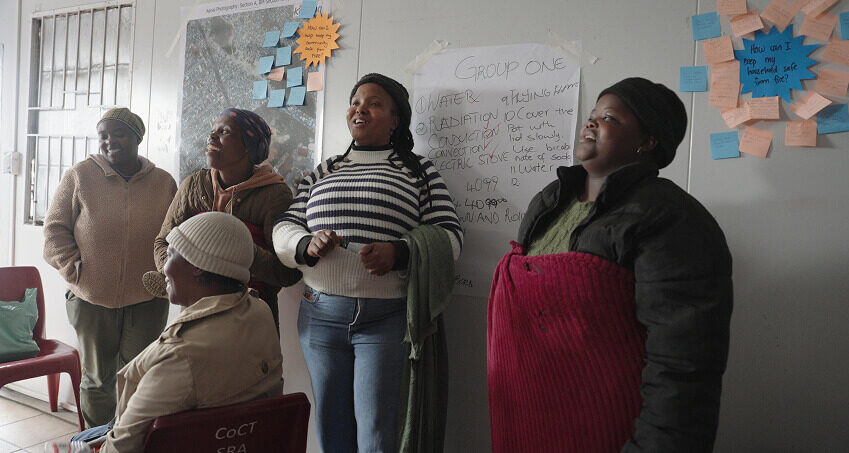
- Co-create fire risk assessments that combine technical analysis with community insight
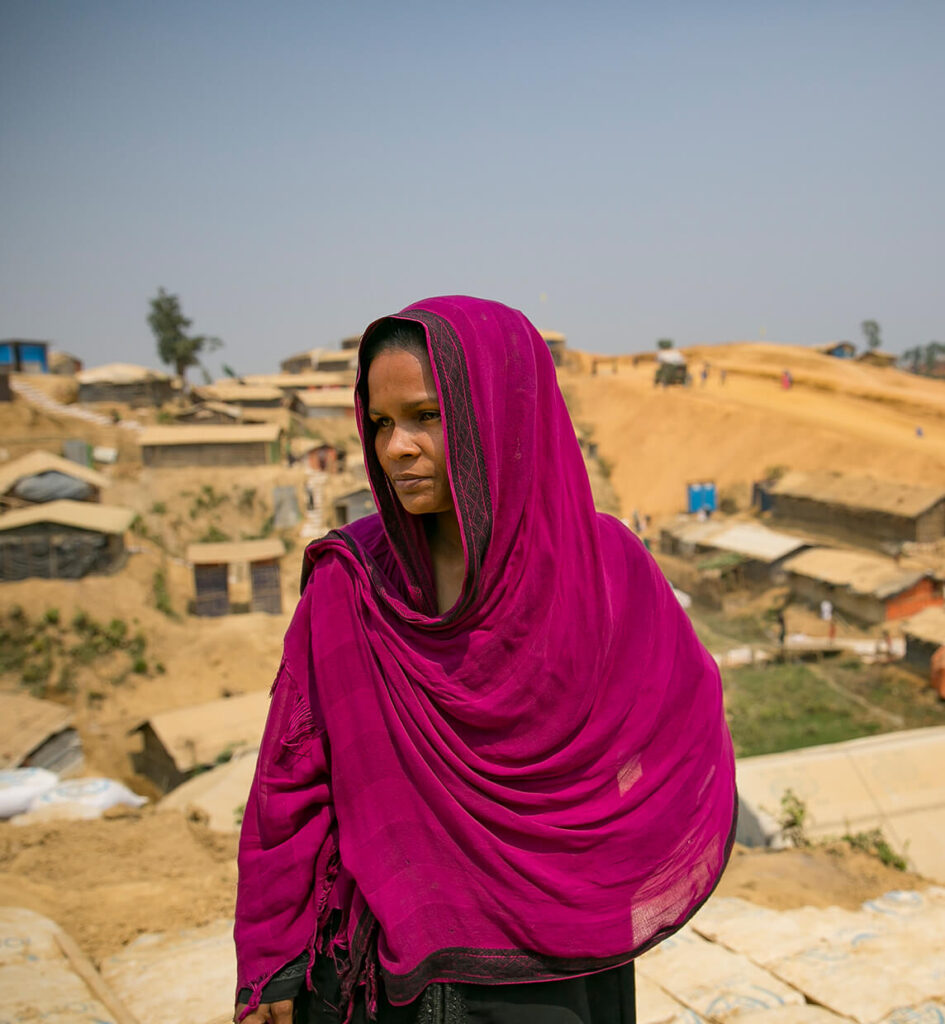
- Prototype and evaluate fire safety solutions in low-resource and high-risk environments
- Develop operational tools and guidance for humanitarian and development partners
- Build mechanisms for feedback and learning that connect community action to institutional reform
Why does practice matter?
Fire safety cannot be achieved through theory alone. It depends on the messy, disciplined work of implementation — where plans meet people, and systems are tested against reality.
Too often, interventions fail because they are introduced without adaptation: alarms that go unmaintained, materials that don’t match how people build, or advice that cannot be followed within the limits of daily life. Practice closes that gap.
It asks: What happens when good ideas meet real conditions?
It values iteration over instruction, and partnership over prescription. By embedding experimentation and feedback within every stage of action, practice ensures that solutions are not only functional but contextually grounded and socially just.
How we work
Our practice pillar operates across the entire fire safety ecosystem — connecting the people who generate evidence, those who act on it, and those who are most affected by it.
We work alongside:
- Communities and practitioners, who identify risks, adapt methods, and test interventions in their environments.
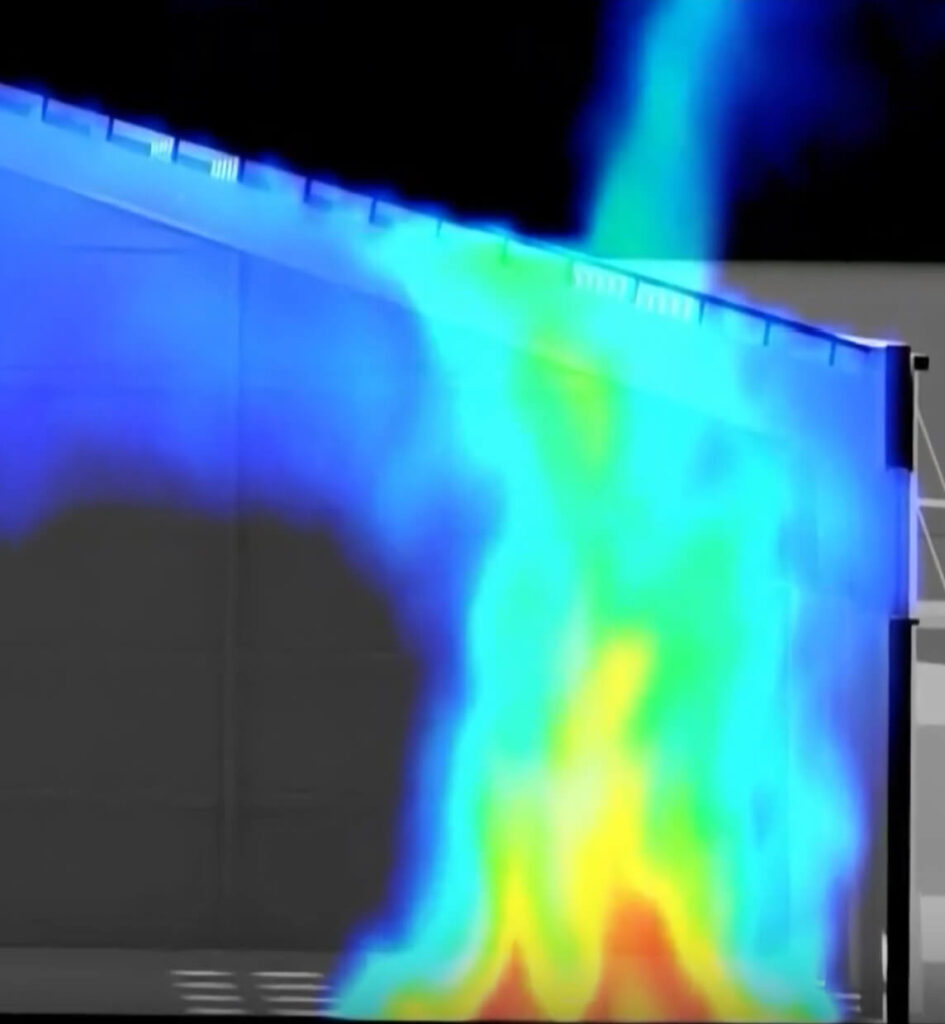
- Engineers and technical experts, who provide the analytical rigor to measure and refine outcomes.
- Humanitarian and development partners, who scale effective models across settlements and cities.
- Policymakers and planners, who embed proven approaches into long-term systems and standards.
This collaborative approach turns one-off projects into pathways for systemic change — ensuring that what is learned in one place strengthens safety everywhere.
The impact of practice
The impact of practice is cumulative. It appears in the way people work together, in the design of safer infrastructure, in stronger coordination between sectors, and in the confidence communities gain when their knowledge shapes real decisions.
Through practice, we transform fire safety from a technical challenge into a collective process of innovation and accountability — proof that safer systems are possible when research, learning, and advocacy come together.