Research
Research lies at the heart of everything we do.
For us, research is both systematic and creative — an intentional investigation into complex, often overlapping issues. Through it, we seek to generate new knowledge, amplify marginalized voices, deepen understanding, and inform solutions that drive real change.

Why does research matter?
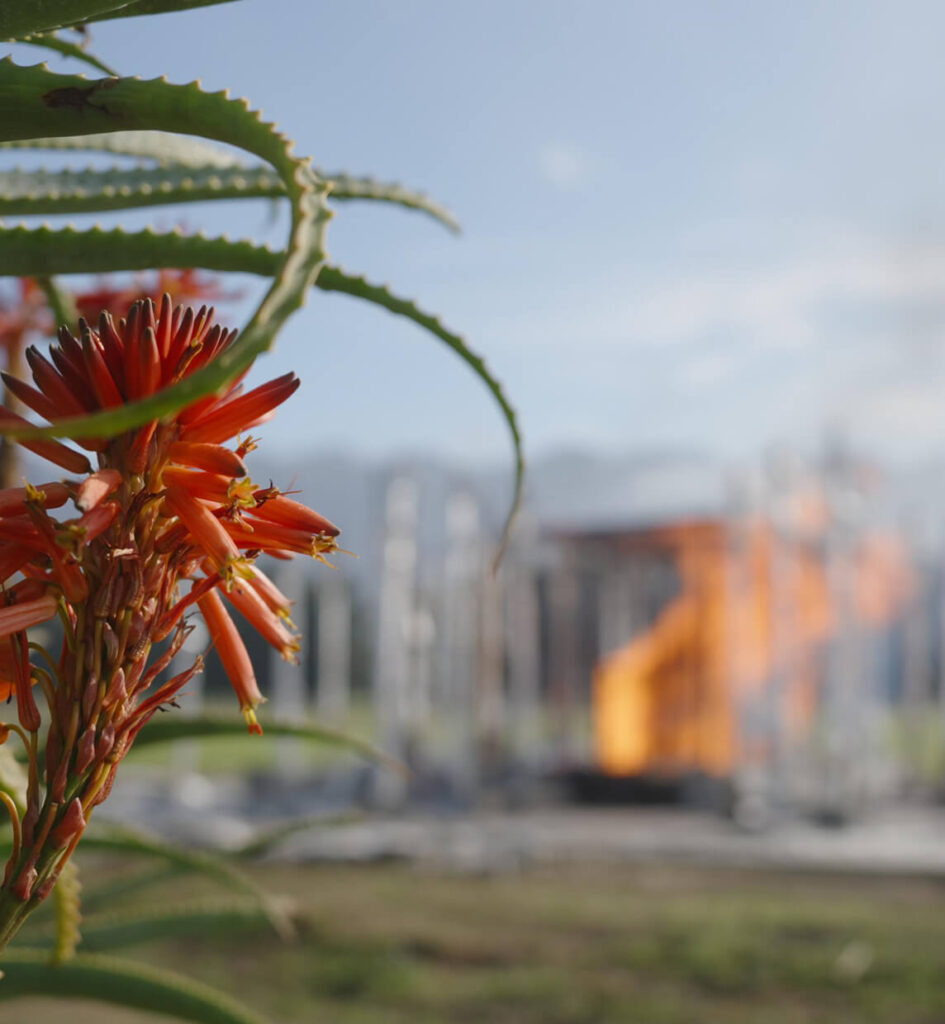
We believe that without a solid base of evidence and validated data, there is too big a risk of coming to wrong or incomplete conclusions and solutions. We use quantitative and qualitative research methods, in the lab and on the streets, to understand problems holistically from both a technical and social perspective.
Our findings are then reviewed and quality-controlled to ensure they are scientifically accurate, contextually relevant and shared in socially responsible ways. We believe that research should be accessible to all and brought out of academia into the public domain.
Our socio-technical systems approach
Kindling was founded on the belief that socio-technical systems approach is absolutely necessary for addressing fire safety.
And yet, bringing different disciplines and ways of knowing into alignment is rarely simple.
From a technical perspective, one might ask, “How could you not tell the community that you see risk in their environment?”
A social scientist might ask, “How could you not give the community the chance to identify those risks themselves first?”
This tension can sometimes feel irreconcilable — and yet it is precisely within this space that progress happens.
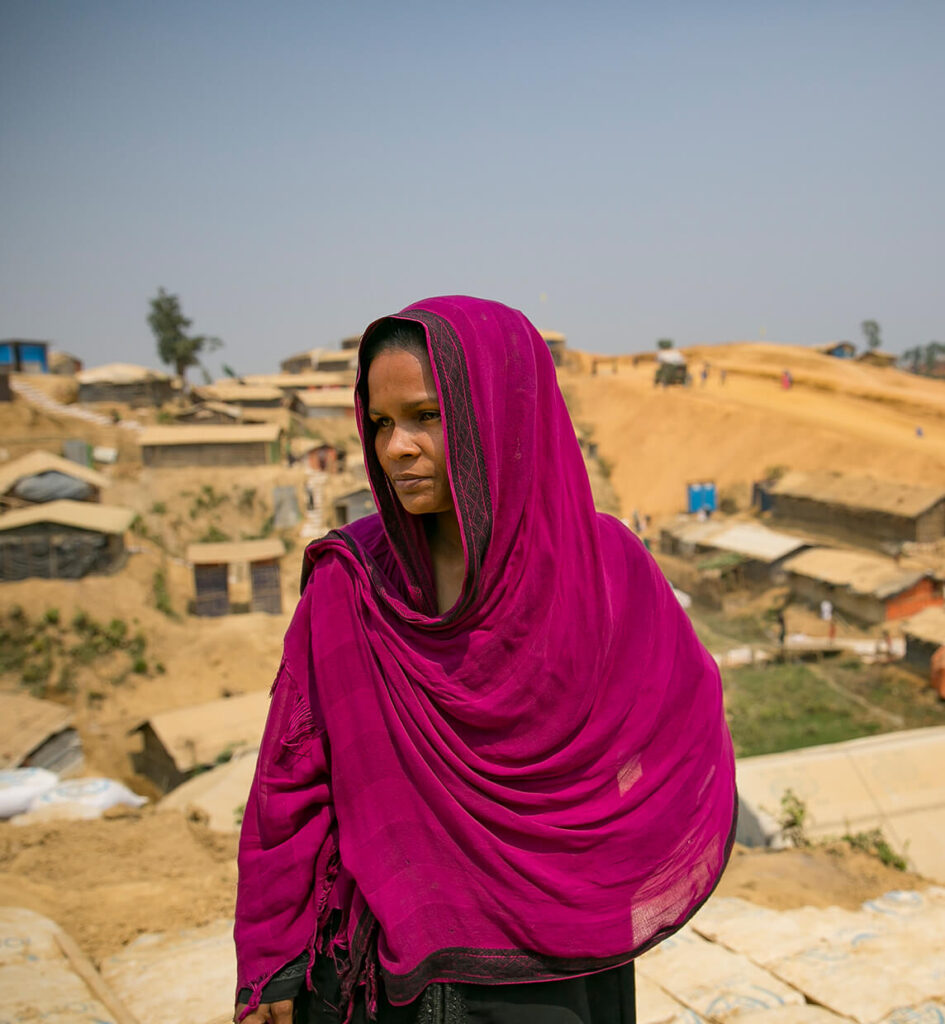
At Kindling, we navigate that space intentionally. Our team brings together fire engineers, social scientists, and community-based researchers who work side by side to design and execute research that is as rigorous as it is inclusive. We move fluidly between analysis and dialogue, between measurement and meaning-making.
This balance is not easy, but it is necessary. It means constantly returning to the question of what it takes to be both scientifically rigorous and community-centric — and recognizing that the two are not opposing forces but essential partners in achieving sustainable fire safety for all.


What we study
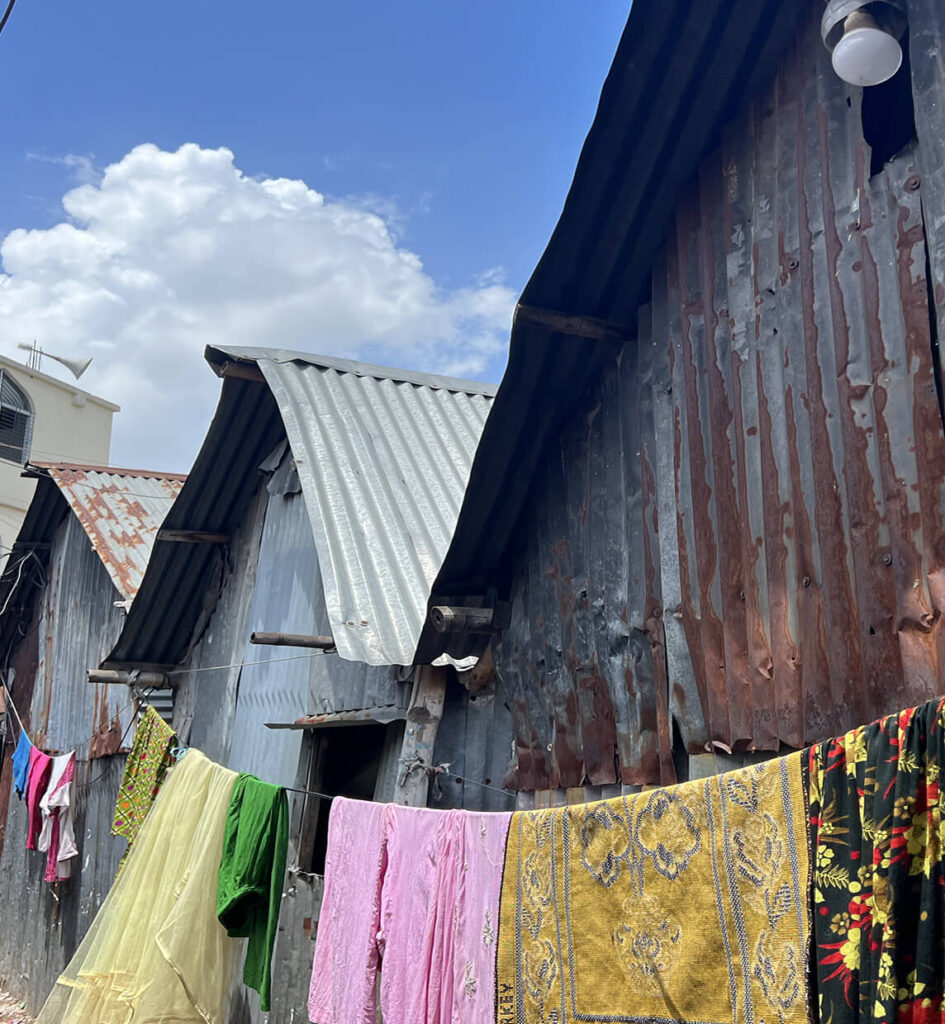
Our research helps partners design safer communities by uncovering how people, places, and systems shape fire risk.
We study:
- Fire risk emergence
- Urban fire spread
- Household and community fire safety
- Human behaviour during fire
- Risk perception and decision-making
- Fire safety governance
- Fire data systems
- Policy and institutional capacities for fire safety
Safety and ethics
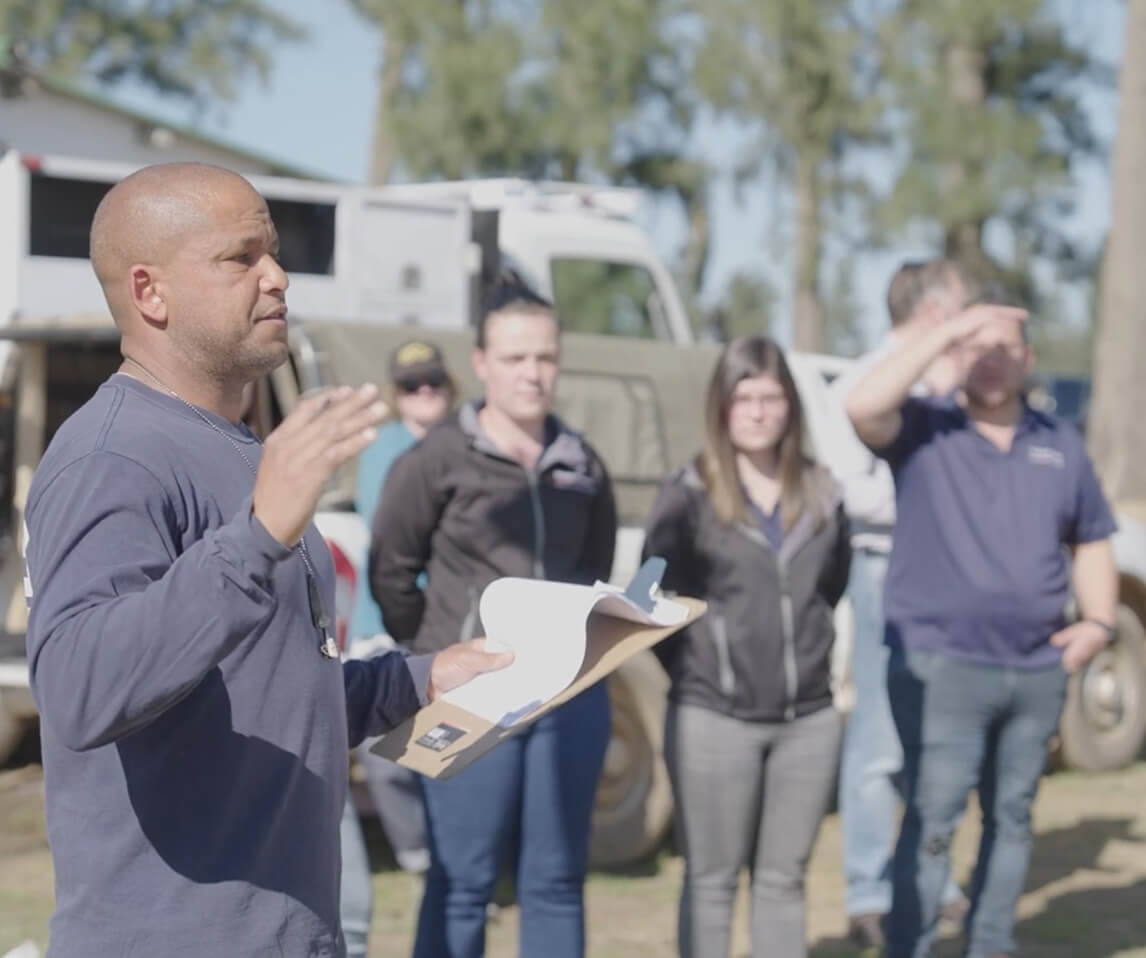
At Kindling, safety isn’t just a concept — it’s a daily practice. Whether in the lab, the office, or in the field, we are committed to protecting the physical and psychological wellbeing of everyone involved in our work: our staff, collaborators, and the residents who choose to participate in our research.
Our Ethical Foundation
Kindling’s research is guided by the principles of Community Risk Reduction (CRR) and the RESPECT Code of Practice for Socio-Economic Research (2022). These frameworks help ensure that all our work upholds scientific integrity, complies with the law, and avoids social or personal harm.
Our ethical protocols include:
- Comprehensive informed consent procedures, ensuring participation is always voluntary and fully understood.
- Trauma-informed training for researchers and facilitators, to minimize distress and protect participant wellbeing.
- Anonymized and secure data collection, with privacy standards that meet or exceed regulatory requirements.
- Regular ethical reviews, including internal reflection and external peer oversight.
- Community-centered decision-making, ensuring residents guide the research process and outcomes.
Practicing Safety Every Day
Before any experiment or field activity begins, we conduct a Site-Specific Risk Assessment (SSRA) and prepare detailed health and safety plans. During our 2024 large-scale fire experiments, for example, every burn was supported by an on-site medic and firefighter, with daily safety briefings for the team. The result: zero injuries or incidents across the entire experimental program.
Safety is built into every decision — from the choice of transport to what clothes we wear. It’s both an individual and collective responsibility, sustained through teamwork, vigilance, and care.
Psychological and Community Safety
We apply the same care to social and emotional safety. Our trauma-informed facilitation practices ensure that community discussions about past fires or losses are handled sensitively, avoiding re-traumatization and building resilience and preparedness. All activities are co-organized with community leaders, scheduled at safe times, and facilitated by local staff.
Our relationships with communities are our greatest form of security. We invest in trust, transparency, and shared purpose — because genuine safety begins with mutual respect.