
Learning
We make fire risk understandable and actionable.
Learning is the foundation of lasting change. Unlike formal education, learning can happen anywhere — in conversation, through observation, or during the daily problem-solving that shapes how people live and work. It is about shifts in understanding, practice, and perspective. It is about creating space for reflection, imagination, and possibility.
Through our work, we’ve seen the urgent need to move beyond conventional fire safety education models that rely on one-way transmission of information, from “expert” to recipient. True learning happens when people can explore, question, and test knowledge in the context of their own lives. That is how safety becomes real.

Why does learning matter?
Traditional fire safety programs often assume that people simply need to be told what to do — “Don’t cook inside,” “Keep fuel away from heat,” “Install alarms.” But such messages often ignore the constraints and trade-offs people face.
In many informal settlements and humanitarian settings, residents must constantly balance one risk against another. Cooking indoors might increase fire risk, yet for many it is the only way to stay warm, protect children from the rain, or avoid assault on the walk to a communal cooking area. Advice that does not account for these realities fails to translate into safer behavior, not because people are careless, but because the advice doesn’t fit their world.
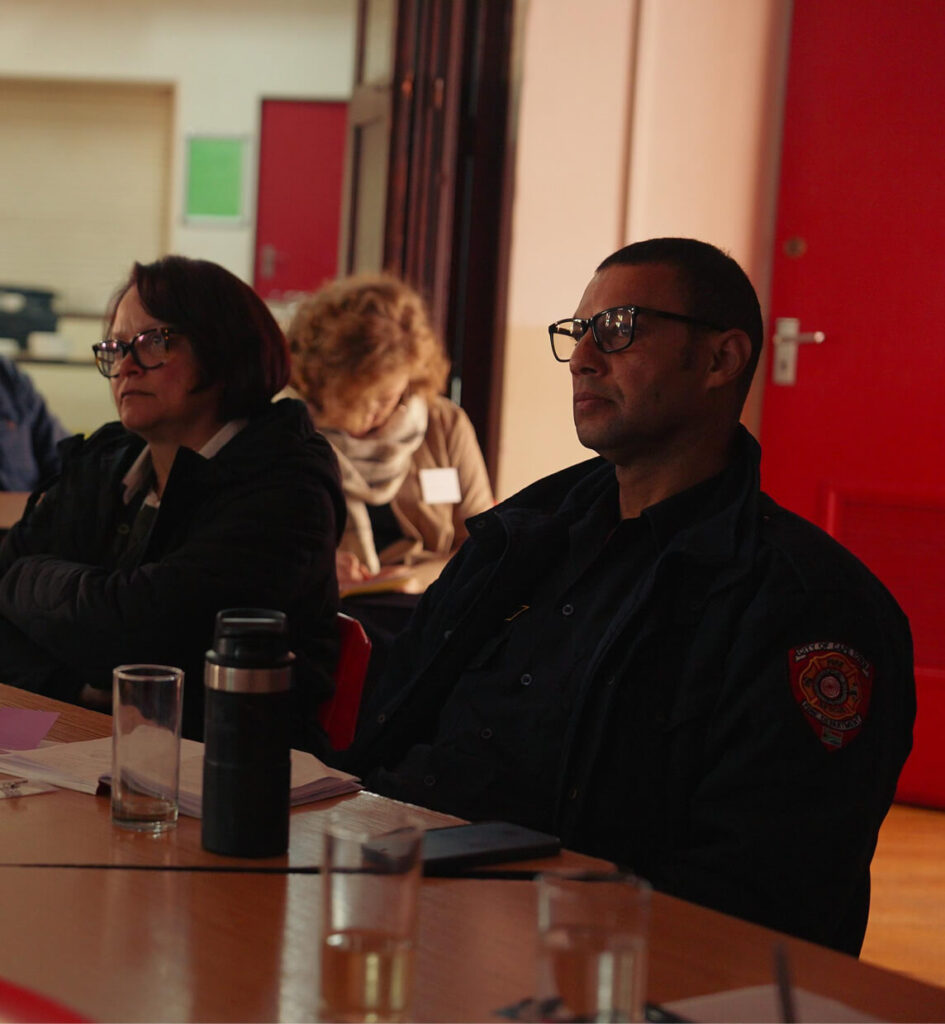
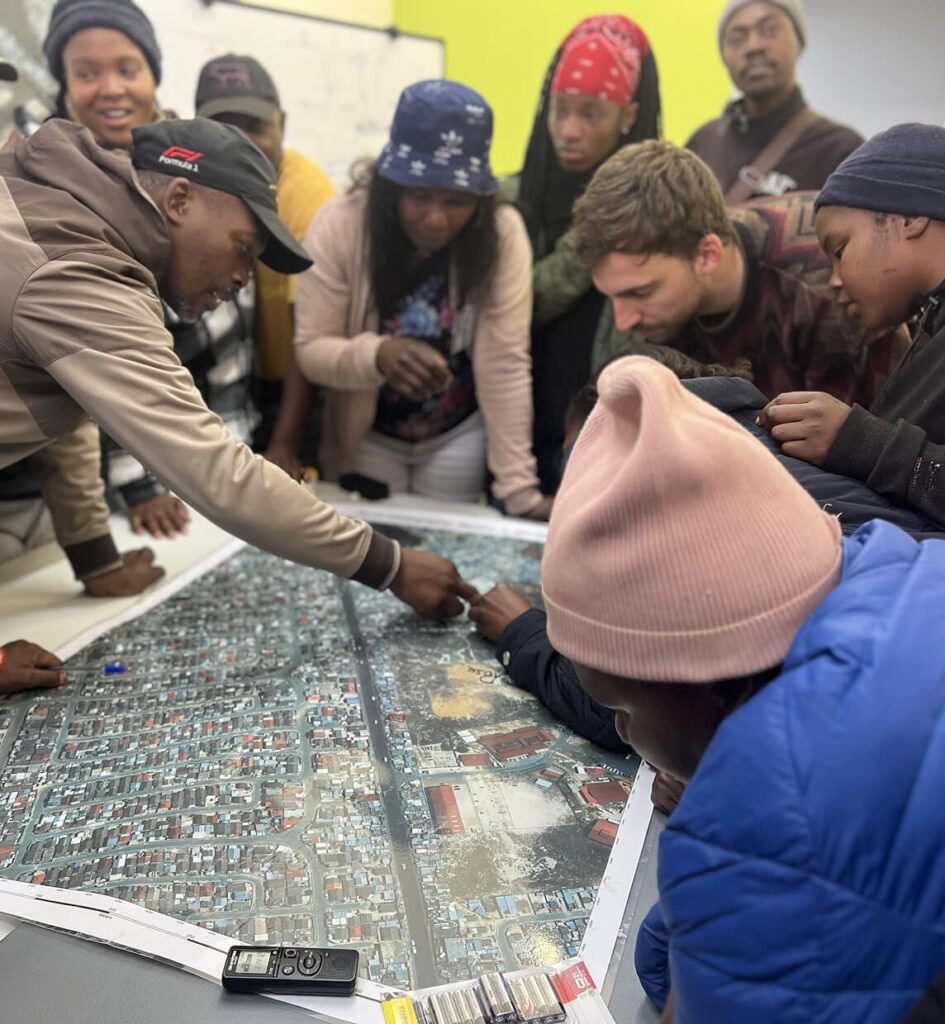
Learning, therefore, must begin with understanding. It shifts fire safety from instruction to collaboration, from being told what to do to discovering together what works. It values the lived knowledge of residents, the practical expertise of firefighters, and the insights of practitioners, bringing them into shared dialogue to design safety that is both effective and equitable.
How we learn together
Kindling’s approach to learning is guided by our LEAM framework, which links Learning, Education, Amplification, and Mobilisation:
Learning: Identifying the unplanned, informal, tacit and incremental shifts in perspective, understanding, skills and practice. Ensuring moments of reflection and interaction. Space for imagination and possibility.
Education: Co-designing, defining, creating and producing planned, intentional knowledge, practice and skills sharing activities, resources and programs. Grounded in lived experience.
Amplification: Engaging a wide range of actors within the learning and education processes. Communicating, sharing and building deeper engagement.
Mobilisation: Multiples spaces, actions and actors put knowledge, data, practice and reflections to work, connecting learning, education and advocacy. Ensuring lived experience shapes approaches to design, measurement and evaluation.
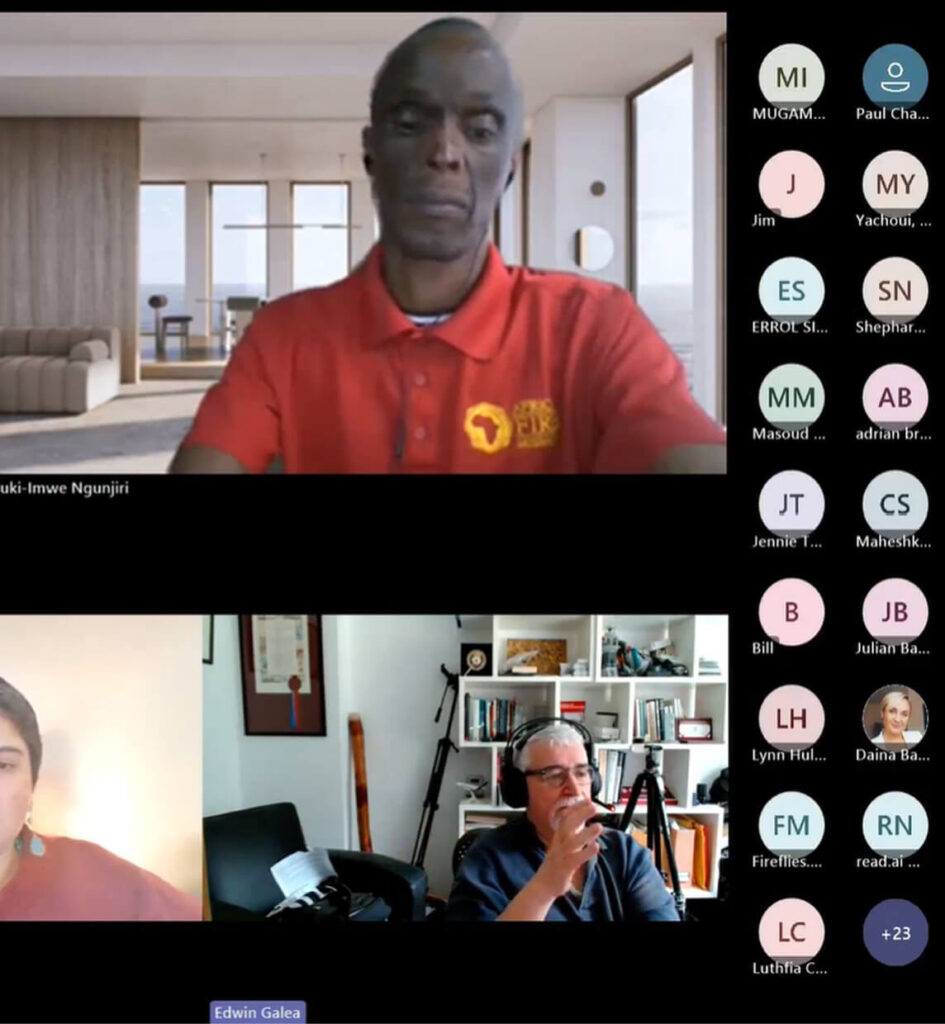
Through this framework, we partner with humanitarian agencies, development professionals, fire services, and communities to strengthen capacity for fire risk assessment and for the design and implementation of effective fire risk reduction strategies. Our learning programs include accessible print materials, films, workshops, and dialogues that make invisible risks visible and empower people to act on them.


The impact of learning
Giving information is not the same as creating change. Real impact comes when people see themselves as part of the solution.
Through our learning programs, participants have reported a powerful shift, from being passive recipients of advice to active agents of safety. Residents begin identifying risks themselves, designing their own fire prevention strategies, and working collectively to advocate for improved infrastructure. Practitioners and policymakers gain new appreciation for community insight, while residents describe renewed confidence and pride in their capacity to protect one another.