Fire risk in Hargeisa’s marketplaces
Place
Focus
Status
Outputs
What it is
Overview
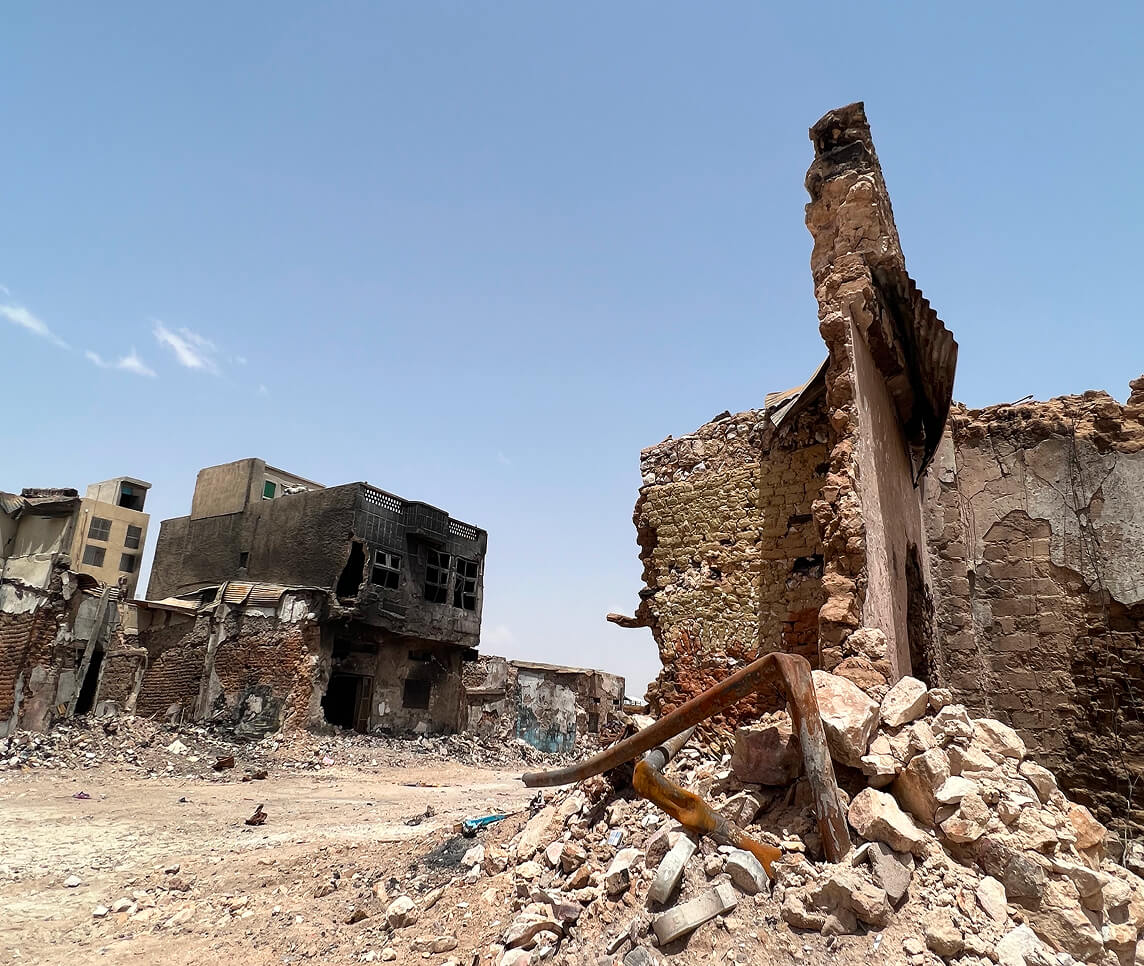
On the eve of Ramadan in 2022, a devastating fire swept through Waheen Market, the economic heart of Hargeisa and one of the largest markets in Africa. Early reports estimated the losses at USD 1.5–2 billion, although full verification remains limited.
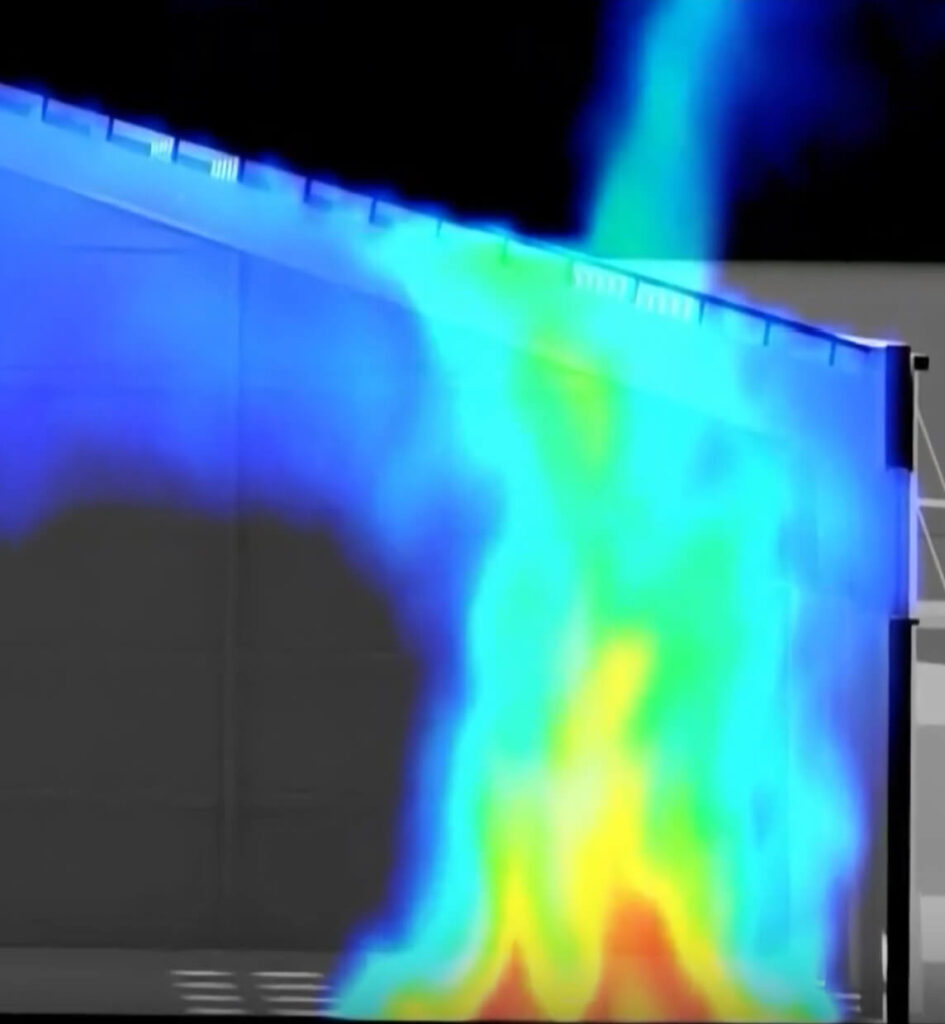
The fire exposed how rapidly an ignition can escalate in tightly packed urban markets and underscored the need for a clearer understanding of the risks faced by traders, many of whom depend on these spaces for their daily livelihoods. In response, the British Office Hargeisa asked Kindling to conduct a baseline fire safety assessment across several of the city’s marketplaces to understand how fire risk emerges in these settings, how existing systems operate in practice, and what steps could support safer, more resilient marketplaces. Although immediate momentum for further engagement did not progress as initially hoped, the work provides an evidence base for city-level fire risk.
“Waheen is Hargeisa, Hargeisa is Waheen. It is the touchstone of our identity.”
- Minister of Endowment and Religious Affairs
The challenge
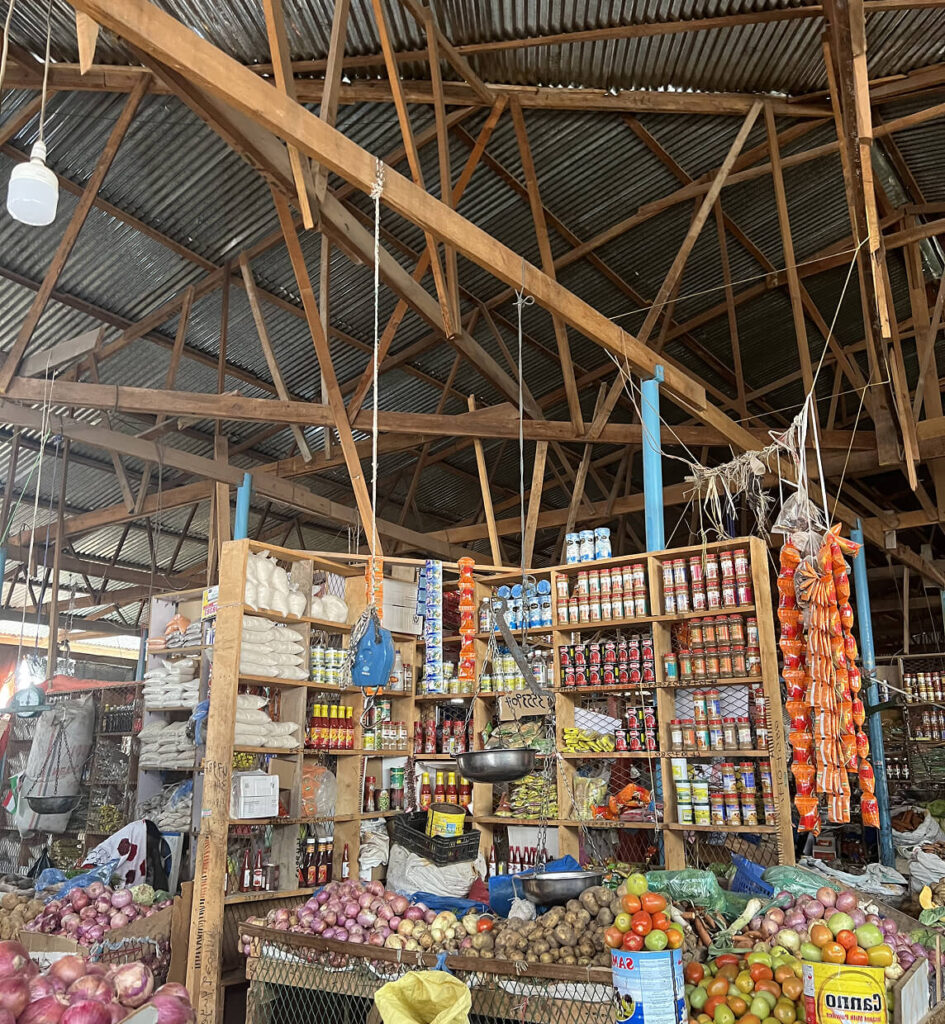
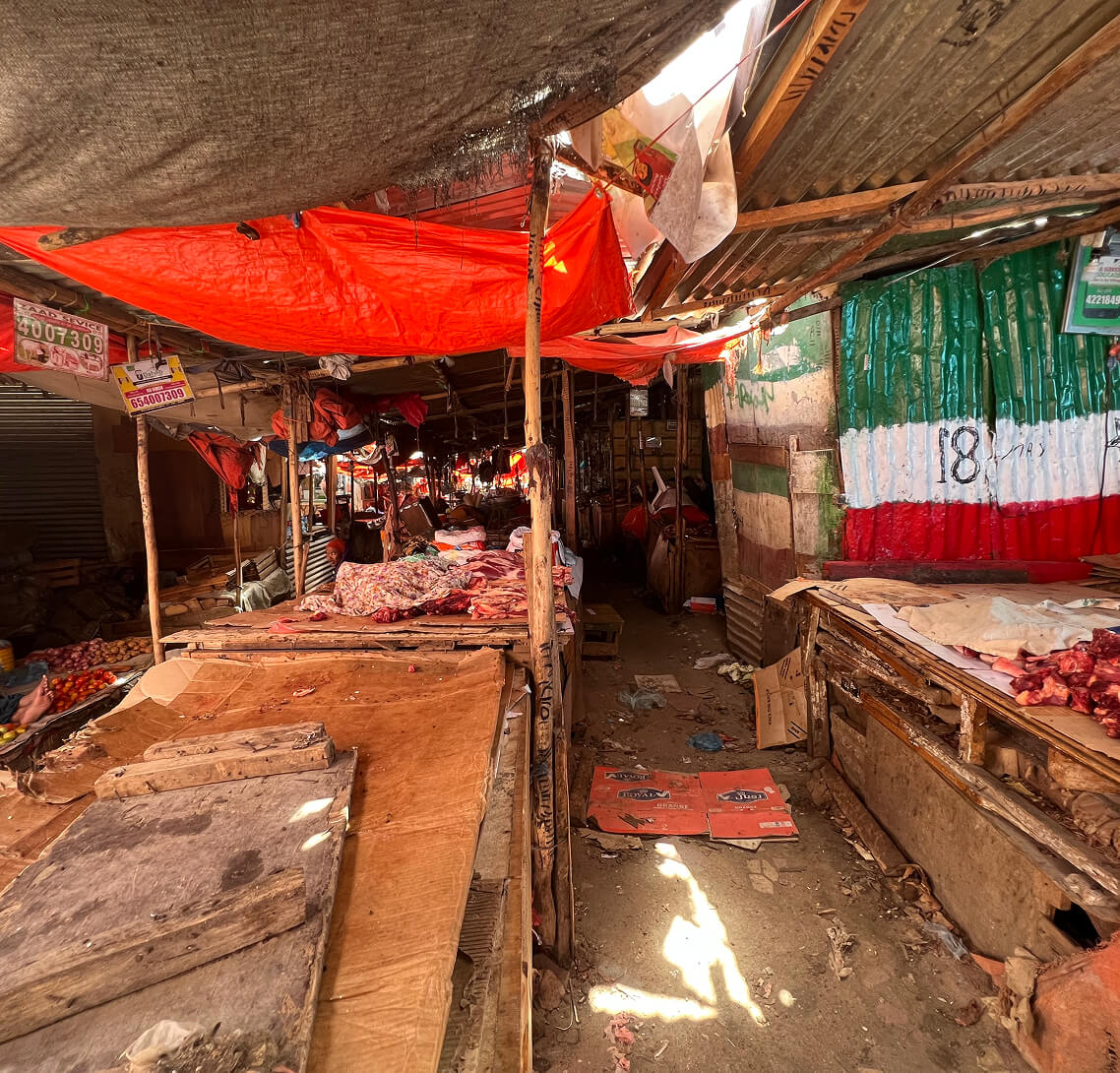
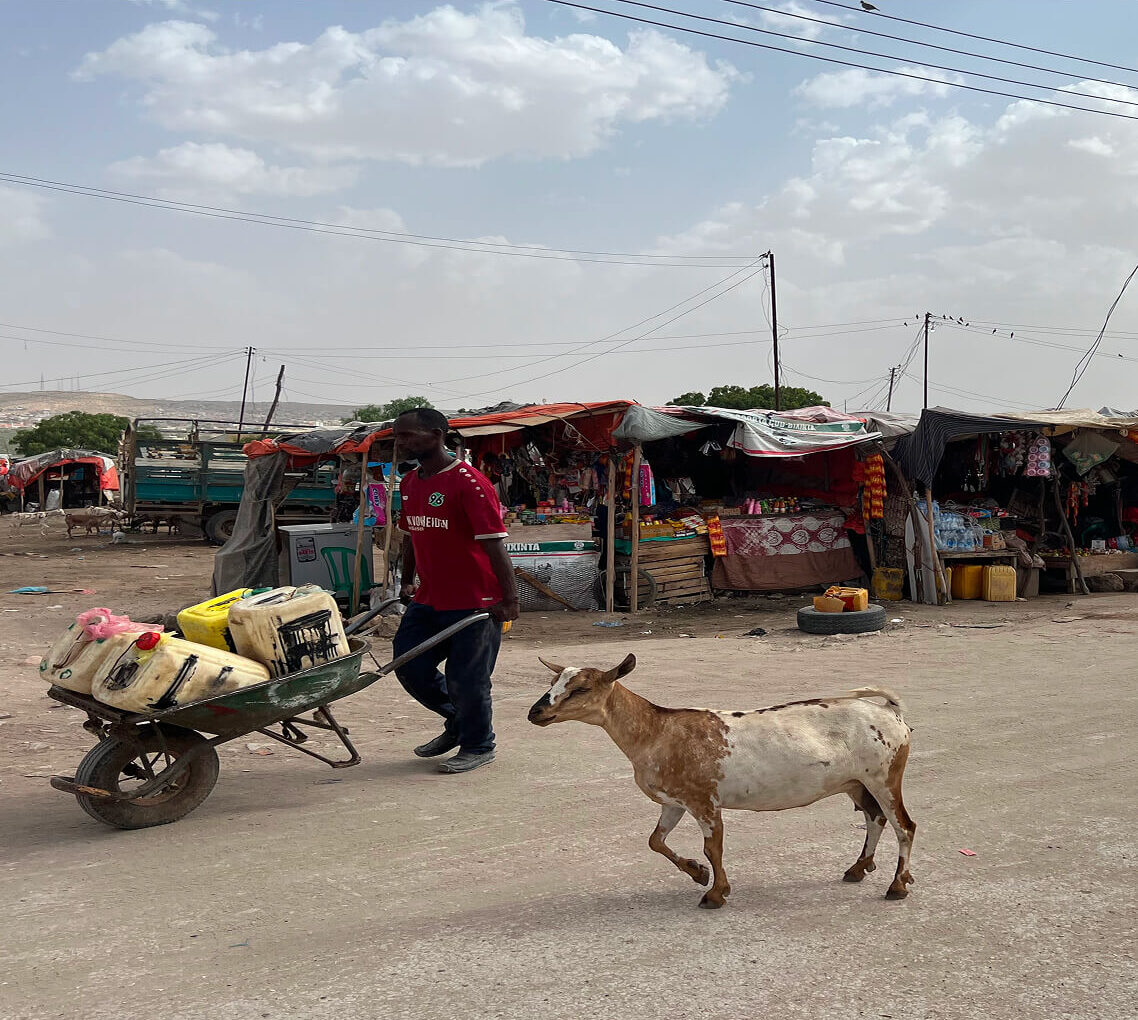
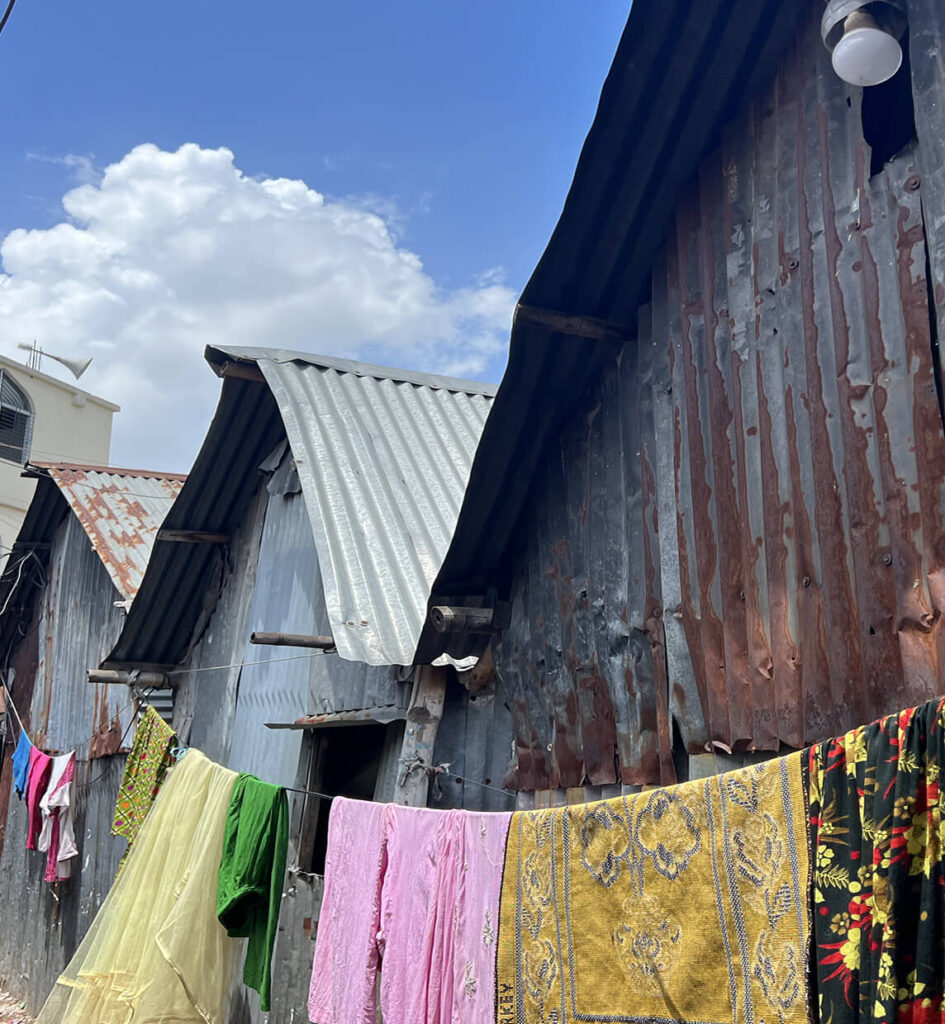
Markets in Hargeisa have grown organically over decades, becoming dense, vibrant commercial systems that support thousands of traders—many of them women. But these environments face elevated fire risks due to combustible goods, informal electrical connections, overlapping structures, and limited access for emergency services.
At the same time, institutional capacity for regulation, maintenance, and emergency response is still evolving. Any viable fire risk reduction strategy must therefore balance technical considerations with the realities of urban growth, economic livelihoods, and everyday constraints.
Our Approach
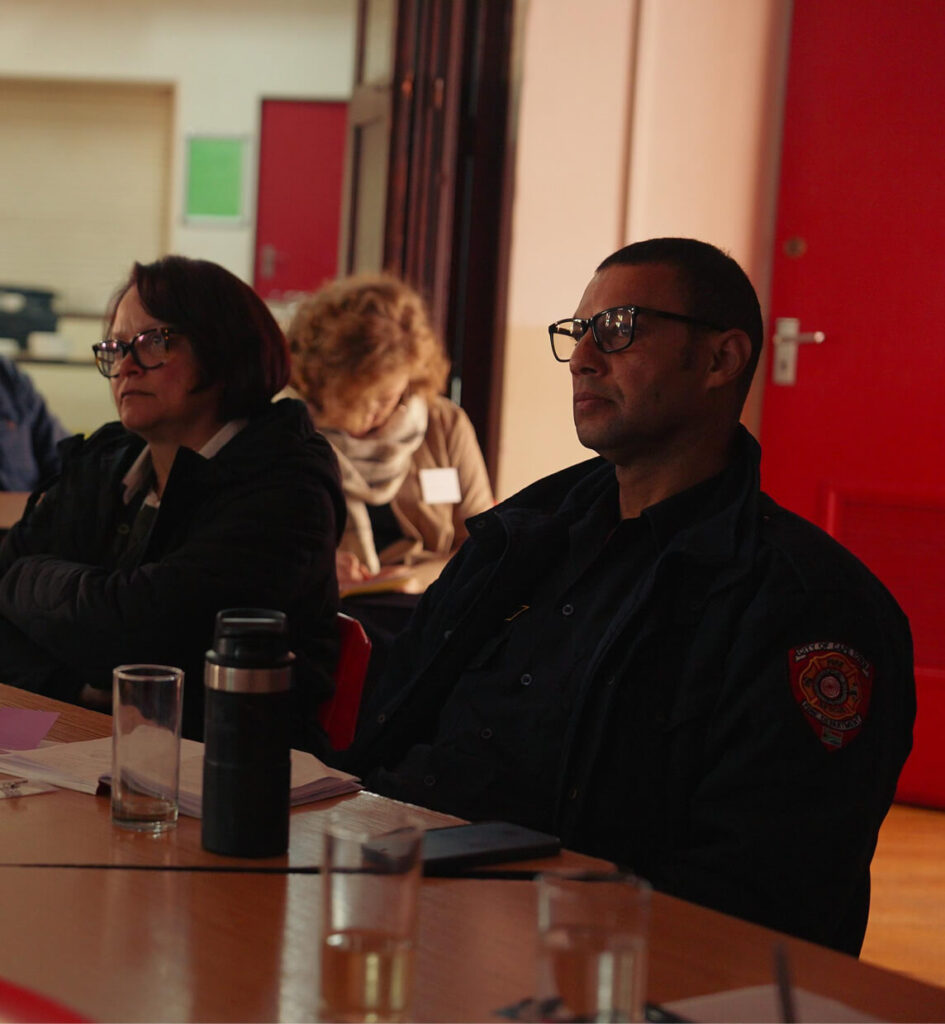
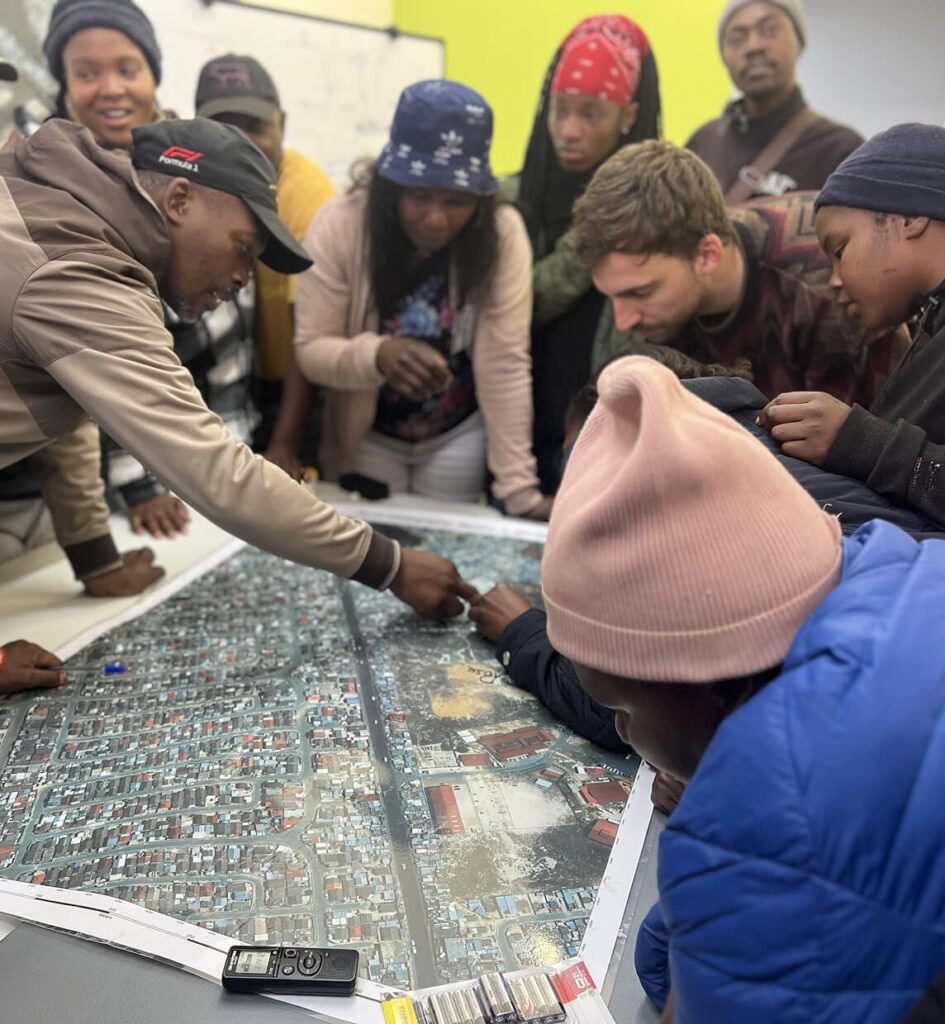
Kindling conducted a rapid, mixed-methods assessment grounded in interviews, field observations, and engagement with a wide range of marketplace stakeholders. During our visit to Hargeisa, we met with actors across government, market systems, civil society, emergency response, utilities, and development partners to understand how fire risk is perceived, managed, and experienced in practice.
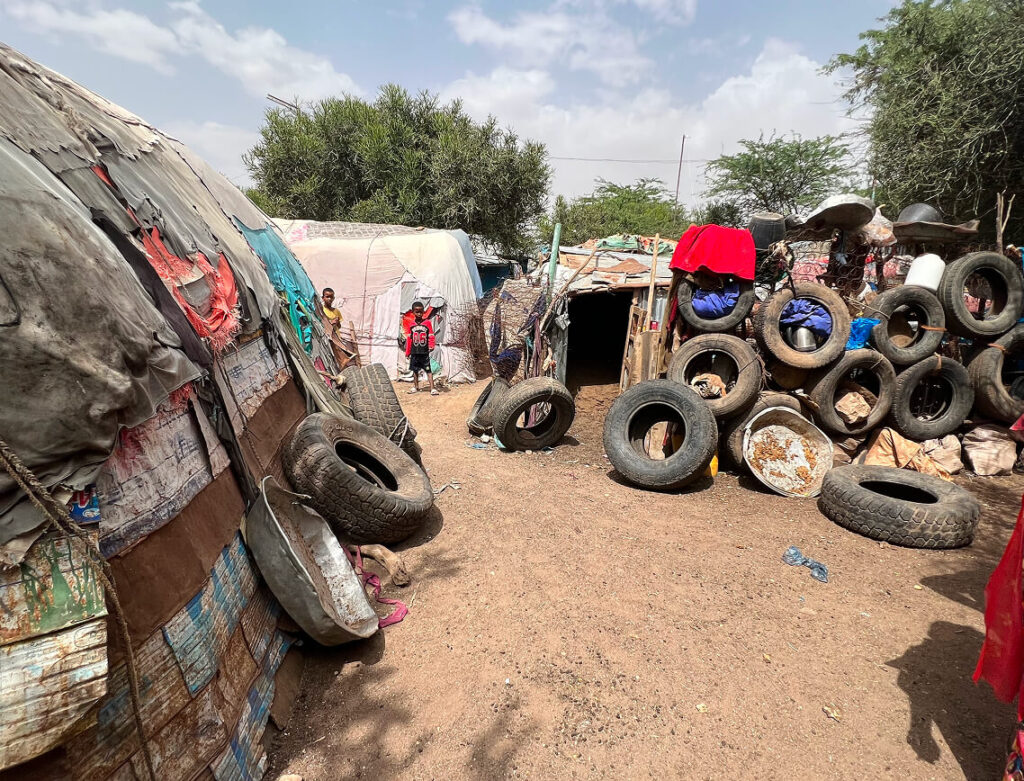
These discussions were complemented by site visits to Waheen Market, Gobanimo Market, and the State House Internally Displaced Persons (IDP) Camp, along with informal conversations with traders. Although time and access limited direct engagement with the full diversity of market users—particularly women and other under-represented groups—the assessment followed clear ethical principles and triangulated insights across all sources.
Together, this enabled us to build a systems-level picture of how fires start and spread in Hargeisa’s marketplaces and how everyday practices, infrastructure, and governance shape fire safety on the ground.

Key Insights
Fire risk in Hargeisa’s marketplaces is not driven by a single hazard but by the interaction of everyday practices, congested environments, combustible materials, alongside water shortages, poor road conditions, and communication challenges that complicate emergency response.
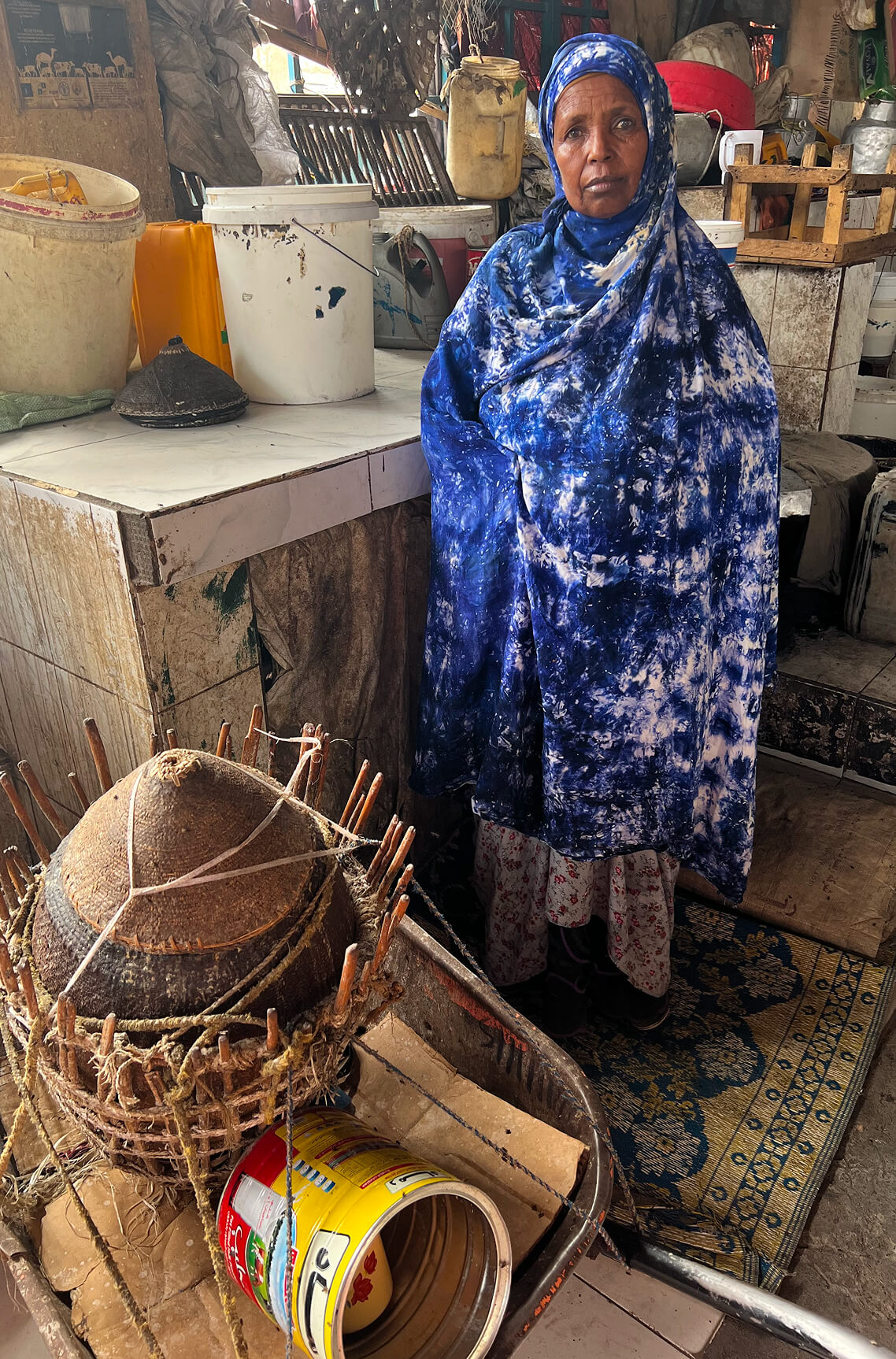
These risks are heightened by the socio-economic realities of market life. Many traders work within tight margins and without safety nets, and women involved in small-scale cooking and food trading face particular exposure. At the same time, the assessment revealed strong community capacity and a clear willingness to engage in fire safety when supported with practical tools, clearer roles, and coordinated systems.
Overall, fire safety remains fragmented and largely reactive, with gaps in regulation, infrastructure, coordination, and public awareness. Building resilience will require a hybrid approach that strengthens emerging regulatory and infrastructure systems while enabling local initiatives to take root, recognising the shared responsibility across all actors who shape marketplace life.
Why It Matters
This assessment offered meaningful insights into how urban markets function, how everyday decisions influence ignition and spread, and how technical analysis can support partners working in complex, fast-changing environments. These lessons now inform our work in cities facing similar challenges, helping ensure that future approaches to fire risk are grounded in local realities and attentive to the people who depend on these markets for their livelihoods.
This experience has continued to shape our thinking on city-level fire risk and the importance of working with, rather than around, the lived dynamics of informal urban environments.
Sponsor
This project was made possible through a grant from the British Office Hargeisa.